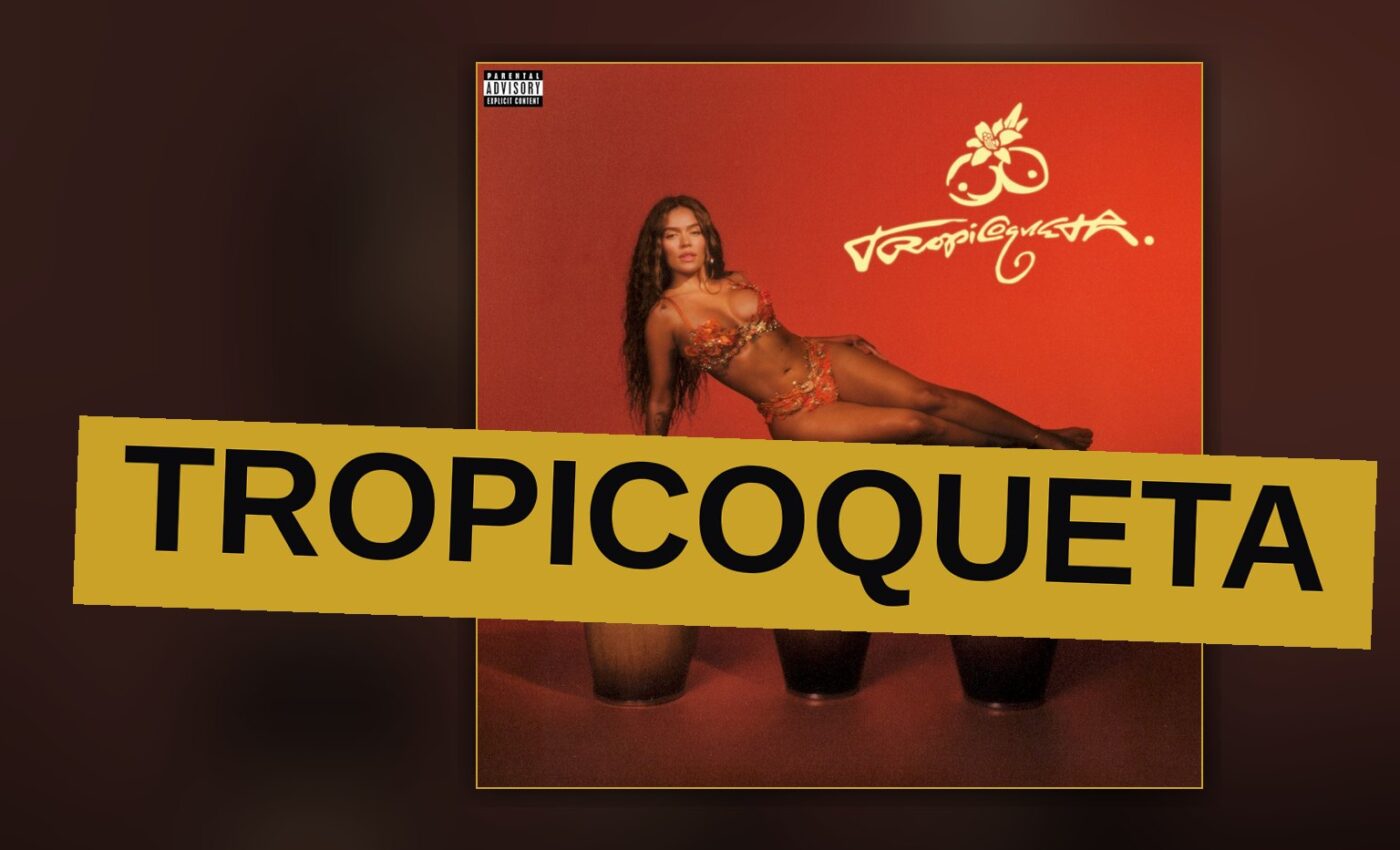
KAROL G’s Tropicoqueta is a 20-track mission to make Latin music feel less like a museum exhibit and more like a party that never ends. The Colombian singer built the record around live instrumentation and classic rhythms from across the region — Colombian, Puerto Rican, Panamanian, Dominican, Mexican, Brazilian, and Cuban styles get their own moments. The goal is simple: honor the past without dressing it up as something new.
Pitchfork described the album as a nostalgic homage to Colombian and Latin American musical history, blending live instrumentation and classic rhythms without attempting genre reinvention. The publication also noted the record delivers these rhythms at their purest. Rolling Stone added that there’s a specific emphasis on the pop part — what’s accomplished here is carefree and breezy, interested in accessibility and relatability.
The record runs 58 minutes across 20 tracks. It doesn’t try to break ground. It tries to make you feel like you’ve always known these songs, even when you haven’t heard them before.
Opening With A Queen
“La reina presenta” sets the tone in 54 seconds — a quick, ceremonial start before the album proper begins. “Ivonny bonita” follows at 3:42 and earns its place as one of the record’s standouts, a track Pitchfork singled out for its pure delivery of a classic sound. “Papasito” and “LATINA FOREVA” keep the energy high without reaching the same heights, both clocking in around three minutes.
“Dile luna” and “Cuando me muera te olvido” are solid but unremarkable, two tracks that do the job without leaving much of an impression. “Coleccionando heridas” (3:25) and “Un gatito me llamó” (2:02) follow a similar pattern — competent, but easy to forget once the record moves on.
The Middle Stretch
“Amiga mía” (3:44) and “Bandida entrenada” (2:16) are steady, mid-tempo numbers that don’t ask for much attention. They hold the album together without adding much to it. “Ese hombre es malo” (3:40) picks the pace back up, and the interlude “A su boca la amo” (1:17) gives the record a brief pause before the back half starts again.
“Verano rosa” (3:30) and “No puedo vivir sin él” (3:38) are pleasant but slight, the kind of tracks that fill space without demanding it. “Tu perfume” (3:04) and “FKN Movie” (3:00) are the exceptions — the latter is a standout, while the former is a solid, if forgettable, addition.
“Se puso linda” (2:26) and “Viajando por el mundo” (4:28) form the heart of the album’s second half. Viajando por el Mundo is the other track Pitchfork singled out, and it’s easy to hear why — it’s a highlight of the back half, letting the instrumentation breathe. Se puso linda is smaller, but it lands.
“Si antes te hubiera conocido” (3:16) closes the main body of the album, a gentle, reflective closer before the title track arrives.
The Title Track
“Tropicoqueta” (2:36) is the record’s final statement, a short, sweet closer that sums up everything before it. It’s the most straightforwardly pop moment on the album, and it works.
Here’s how the album’s highlights rank:
- “Ivonny bonita” — the standout opener, pure delivery of a classic sound.
- “Viajando por el mundo” — a highlight of the back half, breathing room for the instrumentation.
- “FKN Movie” — a strong, energetic track that stands out from the middle stretch.
- “Verano rosa” and “No puedo vivir sin él” — pleasant but slight, solid filler.
- Everything else — competent, but easy to forget.
What Holds Up And What Doesn’t
The album’s strength is its focus. It doesn’t chase trends or try to remake Latin music for a younger audience. It simply plays the classics straight, and when it commits fully — on “Ivonny bonita,” “Viajando por el mundo,” and “FKN Movie” — it works. The weaker moments are exactly what you’d expect from a 20-track record: filler that fills space without demanding it.
Rolling Stone’s description of the record as carefree and breezy is accurate, but it’s also the album’s weakness. Relatability and accessibility are not the same as depth, and Tropicoqueta often trades the latter for the former. The interludes and shorter tracks in particular feel like padding, not essential parts of the journey.
The album is at its best when it lets the musicians play and the songs breathe. When it settles into a groove and stops trying to explain itself, it’s genuinely enjoyable. When it pads itself out with filler, it loses momentum.
Tropicoqueta is a solid, consistent record that occasionally reaches greatness. Its highlights are memorable, its middles are forgettable, and its length works against it. It’s a record that knows what it wants to be — a celebration of Latin music’s past — and mostly succeeds at being it.
- La reina presenta0:54
- Ivonny bonita3:42
- Papasito2:47
- LATINA FOREVA2:40
- Dile luna3:08
- Cuando me muera te olvido2:35
- Coleccionando heridas3:25
- Un gatito me llamó2:02
- Amiga mía3:44
- Bandida entrenada2:16
- Ese hombre es malo3:40
- A su boca la amo (Interlude)1:17
- Verano rosa3:30
- No puedo vivir sin él3:38
- Tu perfume3:04
- FKN Movie3:00
- Se puso linda2:26
- Viajando por el mundo4:28
- Si antes te hubiera conocido3:16
- Tropicoqueta2:36