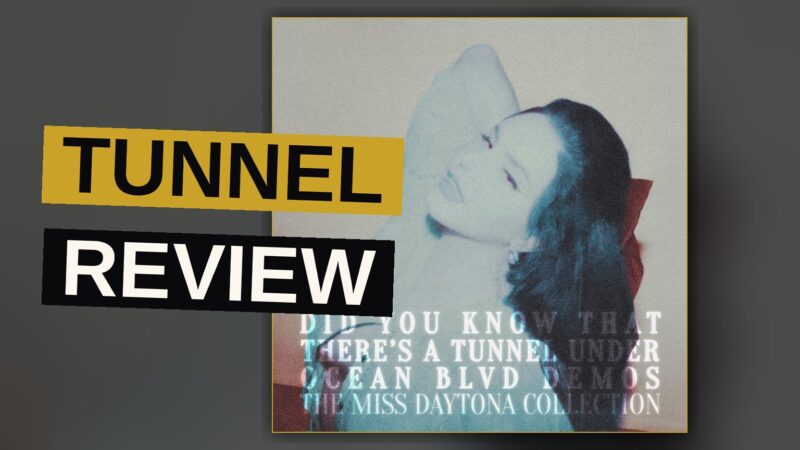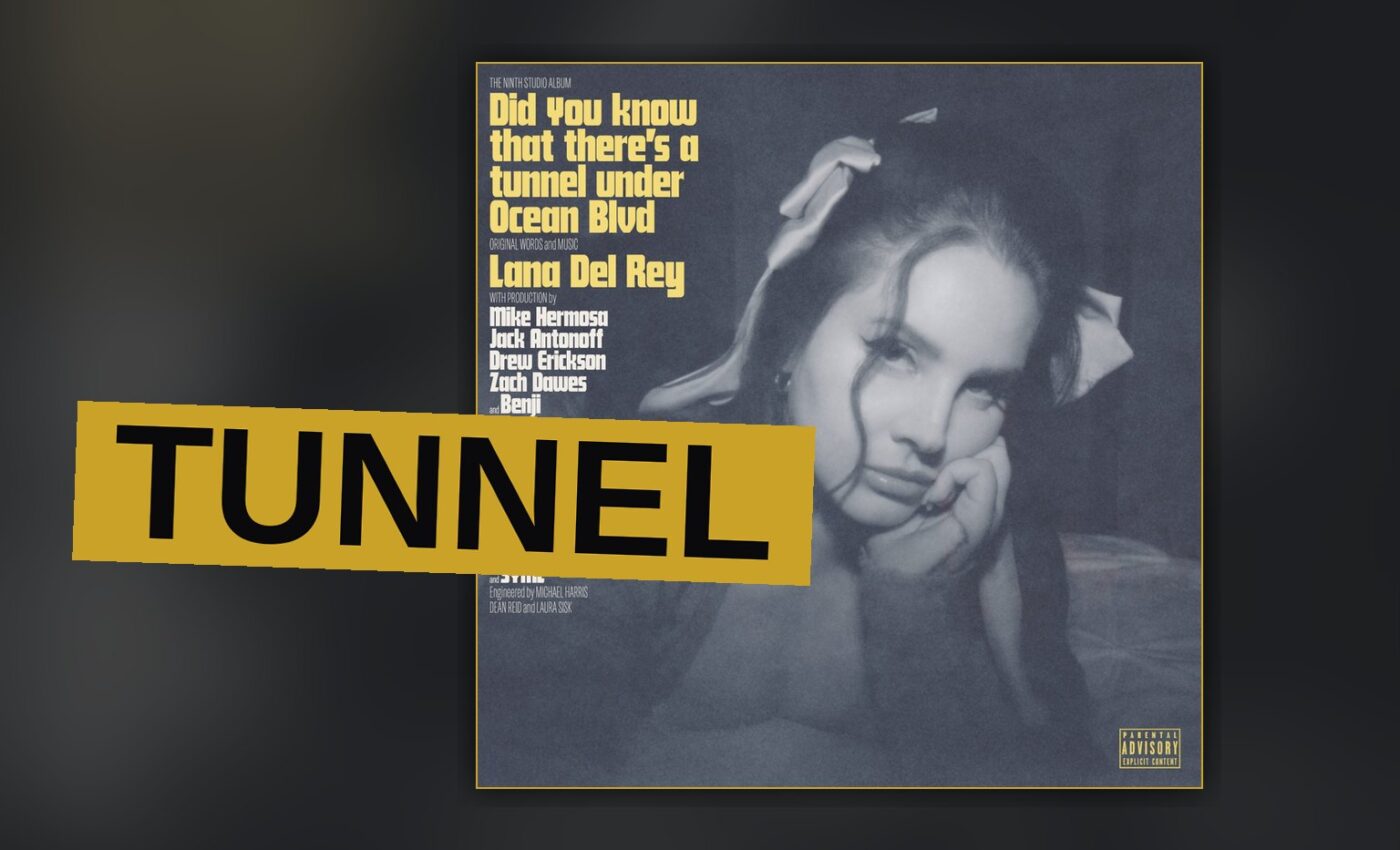
Lana Del Rey’s seventh studio album, Did you know that there’s a tunnel under Ocean Blvd, is a record about endings. It is also a record about beginnings, about starting over in a place that has already swallowed you whole. The title track is a literal tunnel, a passageway under a busy street, but the metaphor runs deeper: this is a woman moving through grief, through memory, through the wreckage of her past, and she is doing it alone.
Del Rey built the album around the death of her mother, a fact she has discussed openly in interviews. That loss hangs over every track, but the record refuses to wallow. Instead, it searches for light, for connection, for the small moments that make life worth living. This is a pop record that sounds like a private elegy, and it is one of her most consistent pieces of work.
The album runs 16 tracks and 77 minutes, and it moves through a dense, cinematic world of interludes, collaborations, and quiet confessionals. It is not a linear narrative, but it is a cohesive one, and it rewards patience.
Opening With The Grants
The record starts with “The Grants,” a slow-burning opener that sets the tone immediately. It is a song about a family, about the weight of expectation, and about the distance between who you are and who you were meant to be. Del Rey sings about her grandfather’s expectations, about her own ambitions, and about the pull of home. The melody is patient, the production is warm, and the song builds slowly.
Then comes the title track, “Did you know that there’s a tunnel under Ocean Blvd.” It is a direct address to the listener, a question that doubles as a statement. The song is about the space between things, about the hidden paths we walk through grief, and about the way memory can feel like a physical tunnel you step into and out of. The music is sparse and atmospheric, with a drumbeat that feels like footsteps on wet pavement. It is a strong entry point, and it sets the emotional stakes for everything that follows.
A&W And The Interludes
“A&W” is the longest track on the album at 7:14, and it is a sprawling, ambitious piece of work. It is a love song, but it is also a travelogue, a meditation on the American landscape, and a personal history lesson. Del Rey sings about her grandmother, about the diner where she grew up, about the road trips that shaped her. The song is a character study, and it is one of the most revealing moments on the record. It is not perfect — the middle section drags slightly — but it is essential listening.
“Judah Smith Interlude” is a brief instrumental piece, a piano-and-strings meditation that serves as a bridge between “A&W” and the next track. It is not a standout, but it does its job, creating a moment of calm before the record shifts gears.
“Candy Necklace” picks the tempo back up. It is a pop song, pure and simple, with a catchy hook and a chorus that sticks. The lyrics are about a relationship, about the sweetness of affection, and about the way love can feel both exhilarating and exhausting. It is one of the more accessible tracks on the record, and it shows Del Rey at her most melodic. The production is clean, the vocal performance is confident, and the song earns its place.
“Jon Batiste Interlude” is another brief instrumental passage, this one featuring jazz pianist Jon Batiste. It is a gentle, soulful piece that adds texture to the record without demanding attention. It is a palate cleanser, a moment of breath before the heavier material ahead.
Kintsugi Through Margaret
“Kintsugi” is the centerpiece of the album. It is a song about brokenness, about the idea that beauty can come from repair, and about the way we carry our scars with us. The title refers to the Japanese art of repairing broken pottery with gold lacquer, and the song uses that metaphor to explore resilience. It is a powerful track, with a soaring chorus and a lyric that is both specific and universal. Del Rey sings about her own wounds, about the people who have hurt her, and about the strength it takes to keep going. It is the emotional peak of the record, and it lands.
“Fingertips” is a slower, more intimate track. It is about desire, about the physicality of attraction, and about the way touch can heal. The song is a duet, and it feels like a conversation between two people who understand each other completely. The production is sparse, with a piano line that carries the weight of the emotion. It is a solid track, but it does not reach the heights of “Kintsugi.”
“Paris, Texas” is a shorter, more direct song. It is about a place, about a memory, and about the way nostalgia can feel like a trap. The title references the film, and the song captures the same sense of longing and melancholy. It is a quiet, reflective track, and it works as a palate cleanser before the album’s final stretch.
“Grandfather please stand on the shoulders of my father while he’s deep-sea fishing” is a strange, specific title, and the song lives up to it. It is a family portrait, a meditation on legacy, and a tribute to the men who came before. The lyrics are about the generations that shaped Del Rey, about the ways their lives intersected, and about the stories that define a family. It is a tender track, and it is one of the most personal songs on the record.
Let the Light In Through Taco Truck
“Let the Light In” is a hopeful song, about the idea of starting fresh, about the possibility of renewal, and about the way light can break through even in the darkest times. The song is a prayer, a wish, and a declaration of intent. It is a positive note, and it signals a shift in the album’s emotional arc.
“Margaret” is a more introspective track. It is about a friend, about the bonds we form, and about the way those relationships shape us. The song is a tribute, and it is one of the most emotionally resonant moments on the record.
“Fishtail” is a lighter, more playful song. It is about freedom, about movement, and about the joy of being alive. The title is a reference to a fish’s tail, and the song captures that sense of fluid motion. It is a fun track, and it provides a welcome change of pace.
“Peppers” is a more serious song. It is about conflict, about the heat of argument, and about the way tension can feel like a fire. The song is a confrontation, and it is one of the more intense tracks on the record. It is a powerful listen, and it shows Del Rey’s range.
“Taco Truck × VB” closes the album with a collaboration. The track is a fusion of styles, blending pop, rock, and Latin influences. It is a celebration, a party, and a reminder that even in the midst of pain, there is still room for joy. The song is a fitting closer, and it leaves the listener feeling uplifted.
What Works Here
The album’s strengths are its consistency and its emotional honesty. Del Rey does not hide behind irony or detachment. She wears her heart on the sleeve, and the record is better for it. The songs are varied enough to hold attention across the full 77 minutes, and the interludes provide breathing room without breaking the flow.
The collaborations are also a highlight. The Jon Batiste interlude adds a jazz sensibility, and the Taco Truck × VB closer brings in a fresh energy. These tracks show Del Rey working outside her usual lane, and they add depth to the record.
The record’s weaknesses are its length and its occasional filler. Some of the interludes feel more like transitions than fully realized songs, and a few of the mid-album tracks don’t quite measure up to the peaks around them. The album could have been tighter, but the ambition is undeniable.
The Verdict
Did you know that there’s a tunnel under Ocean Blvd is a strong album from Lana Del Rey. It is a record about grief, about family, and about finding light in the dark. It is not perfect, but it is consistently excellent, and it stands as one of her most mature pieces of work.
The title track sets the tone, the interludes provide texture, and the centerpieces deliver the emotional payoff. It is a record that rewards close listening, and it is one that will likely grow in stature with repeated plays.
8 of 10.
Key Facts Box
- Album: Did you know that there’s a tunnel under Ocean Blvd
- Artist: Lana Del Rey
- Release type: Album
- Tracks: 16
- Running time: 77 minutes
- Score: 8 of 10
- The Grants4:55
- Did you know that there’s a tunnel under Ocean Blvd4:45
- Sweet3:35
- A&W7:14
- Judah Smith Interlude4:37
- Candy Necklace5:15
- Jon Batiste Interlude3:33
- Kintsugi6:19
- Fingertips5:48
- Paris, Texas3:27
- Grandfather please stand on the shoulders of my father while he’s deep‐sea fishing4:00
- Let the Light In4:38
- Margaret5:40
- Fishtail4:03
- Peppers4:09
- Taco Truck × VB5:53