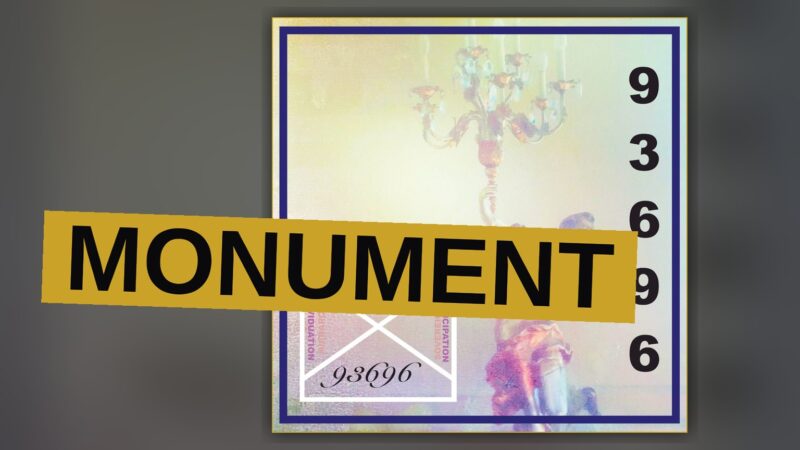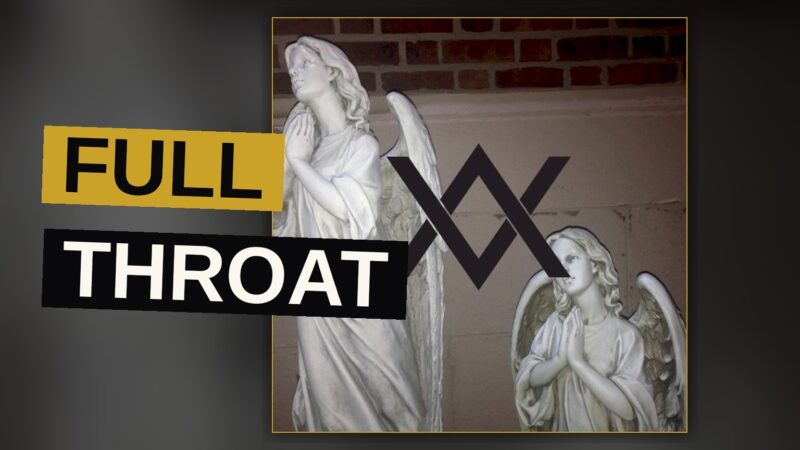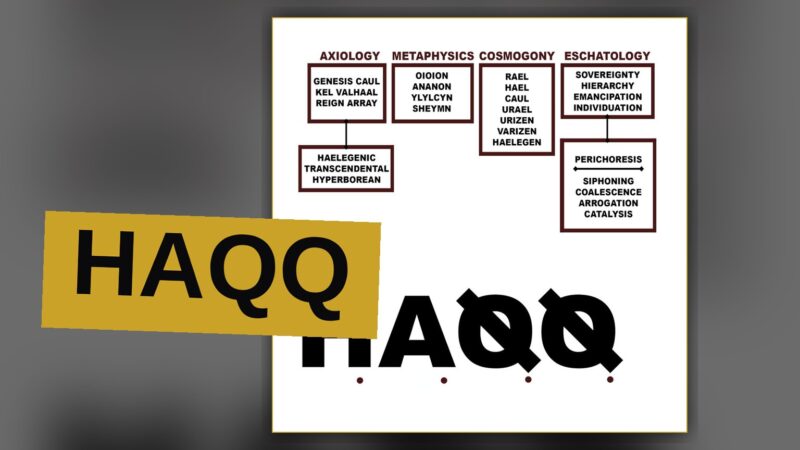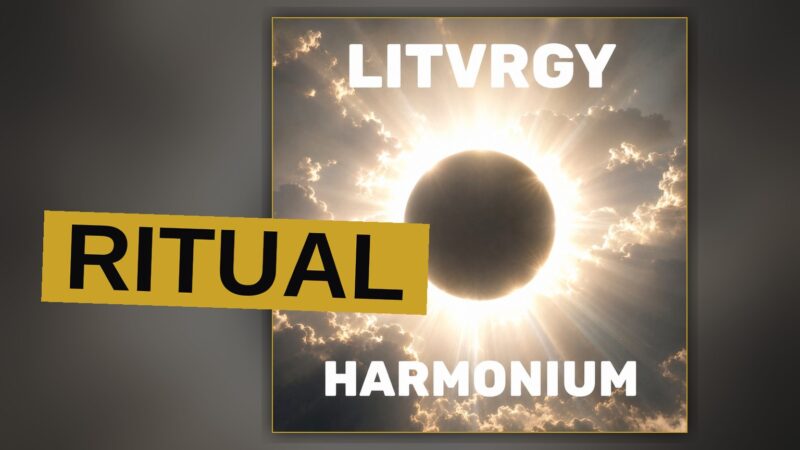
Liturgy’s Origin of the Alimonies is a black metal album that wants to do something nobody else has tried. It is a record about the fall of the divine, the rise of a new god, and the collapse of an ancient order. It is also a record about the limits of language, the tension between philosophy and music, and the way ideas can strain against the material world.
The band’s frontman, Hunter Hunt-Hendrix, has spent years working through the intersection of black metal and philosophy. The album runs 38 minutes across seven tracks, and it moves from the separation of two figures named HAQQ and HAEL to the birth of a new entity called OIOION, through the fall of SIHEYMN and the arrival of the Eternal Church, and finally to an armistice. It is dense, ambitious, and often exhausting.
The Separation of HAQQ From HAEL
The record opens with “The Separation of HAQQ From HAEL.” It is a slow, ritualistic build that sets the tone for everything that follows. The guitars stretch out over a heavy, slow pulse, and the vocals are buried deep in the mix. This is not a song that hits you with immediacy; it is a song that asks you to sit with the idea of division, of the split between two forces that once existed together.
The track earns its length. It establishes the central tension of the album: the idea that the separation of these figures is both a disaster and a necessary step forward.
OIOION’s Birth and Lonely OIOION
“OIOION’s Birth” is a short, sharp burst of energy. It is the shortest track on the album at 1:47, and it feels like a transition rather than a destination. It announces the arrival of the new god without settling into it. The track moves quickly, and it leaves you wanting more.
“Lonely OIOION” slows things back down. It is a meditation on isolation, on the loneliness of being a new god in a world that does not understand you. The guitar work here is some of the best on the record. Hunt-Hendrix’s “burst beats” are still there, but they are stretched and distorted, creating a sense of unease that fits the lyrical content perfectly. This is a track that rewards attention.
The Fall of SIHEYMN and SIHEYMN’s Lament
“The Fall of SIHEYMN” is the heart of the record. It is a long, sprawling track that tells the story of a figure falling from power. The music matches the narrative: it starts slow, builds, and then collapses. It is a song about the end of an era, and it plays like a funeral march.
“SIHEYMN’s Lament” follows immediately after. It is shorter and more direct. The title suggests a cry of grief, and the music delivers on that promise. The track is a lament in the truest sense: it is a song of mourning for a lost order. It is not the most technically demanding track, but it is effective in its simplicity.
Apparition of the Eternal Church
The centerpiece of the album is “Apparition of the Eternal Church.” At 14:03, it is the longest track here, and it is the one that will either reward you or lose you. It is a slow, meditative journey that stretches out over fourteen minutes. The band uses silence as a compositional tool, letting moments hang in the air before the next wave arrives. It is a track that asks you to sit with the idea of the church, of its eternal presence, and of the way it transforms everything it touches.
This is the track where the tension between philosophy and music is most apparent. The ideas are too grand for music to fully contain, and the album acknowledges that. It is a bold move, and it mostly works. The track is not perfect — it drags in its middle stretch — but the payoff at the end is worth the wait.
The Armistice
The album closes with “The Armistice.” It is a relatively short track that functions as a coda. The music is less aggressive than what came before, and it carries a sense of resolution. It is not a triumphant ending, but it is a peaceful one. The track ends the record on a note of calm, which is fitting for an album that spends so much time in chaos.
What Works and What Does Not
Not every track lands with the same force. “OIOION’s Birth” is a transition piece that does not stick. “Lonely OIOION” is better, but it is overshadowed by the tracks around it. The fall of SIHEYMN is the standout, and the Eternal Church track is the riskiest move. The armistice closes things out on a quiet note that works.
Here is how the seven tracks stack up:
- The Separation of HAQQ From HAEL — slow, atmospheric, essential
- OIOION’s Birth — quick, transitional, forgettable
- Lonely OIOION — strong guitar work, worthwhile
- The Fall of SIHEYMN — the best track on the record
- SIHEYMN’s Lament — direct, effective, minor
- Apparition of the Eternal Church — the boldest move, mixed results
- The Armistice — quiet, fitting, minor
Comparing the Tracks
| Track | Length | Role |
|---|---|---|
| The Separation of HAQQ From HAEL | 4:32 | Sets the tone |
| OIOION’s Birth | 1:47 | Transition |
| Lonely OIOION | 4:41 | Guitar highlight |
| The Fall of SIHEYMN | 4:47 | Best track |
| SIHEYMN’s Lament | 3:42 | Direct |
| Apparition of the Eternal Church | 14:03 | Boldest move |
| The Armistice | 3:48 | Quiet closer |
The Verdict
Liturgy’s Origin of the Alimonies is a challenging listen. It is not a record that rewards passive listening. You have to engage with it, think about it, and let the ideas sink in. That is a lot to ask of a black metal album, and it will not appeal to everyone. But for those who are willing to put in the work, it is a rewarding experience.
The album’s strengths are its ambition and its execution. The band manages to synthesize philosophy and music without losing the visceral power of black metal. The lyrics are dense and abstract, but the music never loses its grip. The production is clean, which allows the details to breathe.
The weaknesses are the middle stretches. “Apparition of the Eternal Church” drags in its center, and “OIOION’s Birth” is a placeholder rather than a destination. These are minor complaints in the context of a record this good, but they are real.
The record is a major statement from a band that has spent years building toward this moment. It is not a perfect album, but it is a brave one. It wrestles with ideas that can seem too grand for music to contain, and it mostly succeeds. The black metal core, built around Hunt-Hendrix’s time-stretching “burst beats,” remains intact, even as the ideas get stranger.
This is Liturgy’s most compelling album in a decade, and arguably ever. It is a record that rewards repeated listens and demands engagement. It is not for everyone, but for those who are willing to meet it halfway, it is a profound experience. The score is 8.3 out of 10.
- The Separation of HAQQ From HAEL4:32
- OIOION’s Birth1:47
- Lonely OIOION4:41
- The Fall of SIHEYMN4:47
- SIHEYMN’s Lament3:42
- Apparition of the Eternal Church14:03
- The Armistice3:48