Melvins built Lysol around a simple idea: make heavy music slower, louder, and less concerned with being heavy. The band’s third full-length record, released in 1992, runs across six tracks, and it spends almost all of that time at a crawl. It is a record about patience, about letting a riff sit still until it stops feeling like a riff and starts feeling like a wall.
The album is not interested in speed. It is interested in weight. This is a band that took the grunge movement of the early 1990s and turned it inside out, refusing the fast, melodic hooks that defined the genre and replacing them with slow, grinding riffs that feel more like tectonic plates shifting than guitars playing chords. The result is a record that rewards attention and punishes skipping.
Hung Bunny Opens the Record
Hung Bunny sets the tone immediately. At 10:59, it is the longest track on the album, and it earns every second of that runtime. The song builds slowly, layering guitar and bass into a thick, sludgy mass that refuses to resolve itself quickly. The tension stays high throughout, and the payoff comes at the end, where the band finally lets loose into a roar that feels earned after ten minutes of patient build-up. It is a statement of intent: this is not a band that wants to be catchy, it wants to be felt.
Roman Dog Bird follows at 7:20, and it continues the slow-burn approach. The song is less dense than Hung Bunny, with a cleaner melody line that cuts through the murk. It is the most accessible track on the record, and it shows the band’s ability to write a hook even when they refuse to play it at a normal tempo. The final minute is a slow fade-out that leaves the listener wanting more.
Sacrifice and the Short Songs
Sacrifice is the album’s darkest moment, a six-minute crawl that feels heavier than anything else here. The song is built on a repeating riff that never changes shape, and it drags the listener down into a deep, murky space. It is not a comfortable listen, but it is a compelling one. The band has locked themselves into a single gear, and they refuse to shift.
Second Coming is the shortest track on the album at 1:15, and it is also the most abrupt. It arrives suddenly, a burst of noise that feels like a release valve opening. The brevity is jarring after the slow build of the previous tracks, but it works as a palate cleanser before the record’s final stretch.
The Ballad of Dwight Fry is the odd one out. At 3:11, it is the most conventional song here, a near-three-minute country-tinged track that leans into a folk-like melody. It is a change of pace, and it is welcome. The track shows a side of the band that rarely gets heard, and it is a reminder that the Melvins can do more than grind.
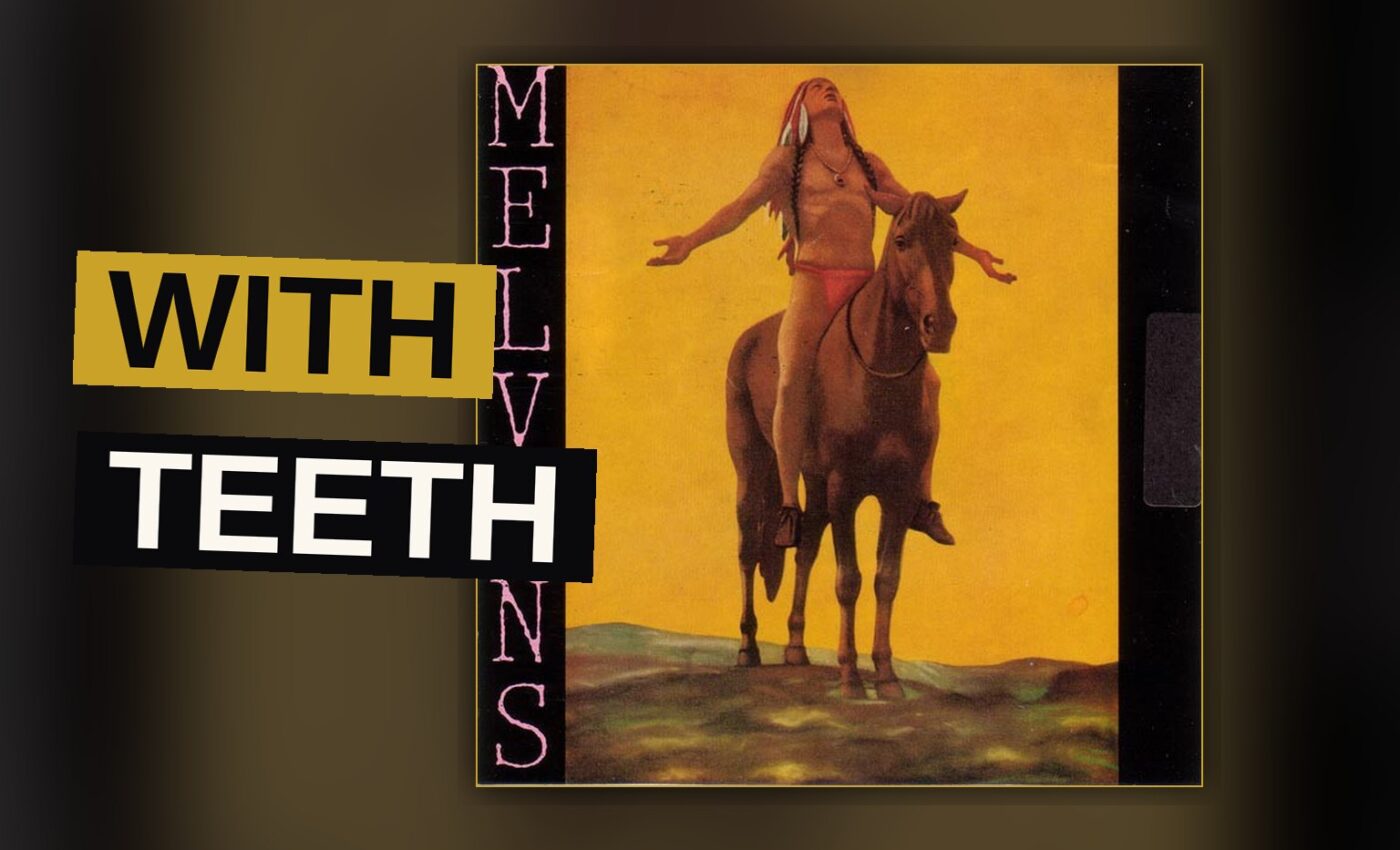
With Teeth Closes the Record
With Teeth ends the album at 2:25, and it is a fitting closer. The song picks up the pace slightly, but it never breaks the slow groove that defines the record. It is a quiet finish, not a big one, and that is the point. The record does not need a big ending, because it has established exactly what kind of band the Melvins are.
What Lysol Does Best
The strength of Lysol is its consistency. Every track here is built from the same raw materials: slow tempos, heavy bass lines, and a refusal to move forward. That consistency could be a weakness, but it is not. The album holds together as a complete listening experience, and the shorter tracks never feel like filler. They are simply variations on a theme that the band executes with precision.
| Track | Length | Role |
|---|---|---|
| Hung Bunny | 10:59 | Opening statement |
| Roman Dog Bird | 7:20 | Mid-album contrast |
| Sacrifice | 6:07 | Darkest moment |
| Second Coming | 1:15 | Abrupt palate cleanser |
| The Ballad of Dwight Fry | 3:11 | Unexpected detour |
| With Teeth | 2:25 | Quiet closer |
Comparing Lysol to Its Peers
The Melvins were operating in a crowded field in 1992, with grunge bands pushing the sound of rock music toward the mainstream. Lysol responds to that context by doing the opposite of what those bands were doing. Where bands played fast, melodic punk-rock, the Melvins slowed everything down. Where songs built around soaring choruses, the Melvins built songs around repeated riffs. The record is a deliberate rejection of the direction the genre was taking, and it stands as proof that there was room in that moment for a band willing to go slow.
The comparison is useful because it shows what the Melvins were not. They were not chasing the sound of the moment, and they were not interested in making music that fit comfortably inside the radio format. They were interested in making music that demanded attention, and they succeeded.
The Verdict on Lysol
Lysol is not an easy record to love. It is slow, repetitive, and often punishing to the ears. But it is a rewarding record to listen to, especially once you accept its terms. The album asks for patience, and it delivers on that patience with some of the most intense tracks the Melvins ever recorded. Hung Bunny is a masterpiece of slow-building tension, and Sacrifice is a masterclass in sustained heaviness. Even the shorter tracks hold their ground.
This is a band at the height of its powers, playing at their own tempo and refusing to bend. The record is a document of a moment in the band’s career where they had nothing left to prove and everything to say. It is a great record, and it deserves to be heard.
8 of 10.
- Hung Bunny10:59
- Roman Dog Bird7:20
- Sacrifice6:07
- Second Coming1:15
- The Ballad of Dwight Fry3:11
- With Teeth2:25