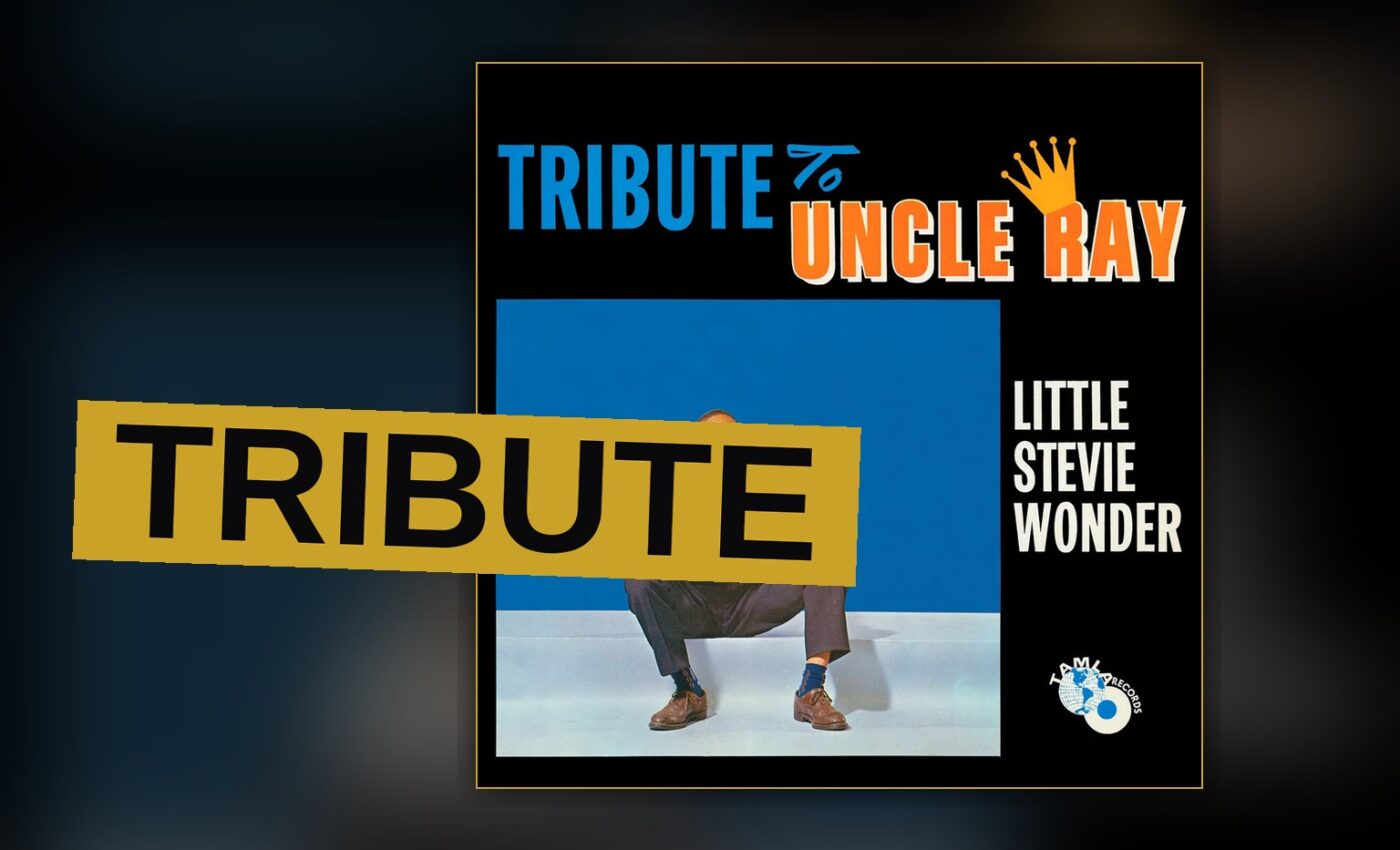
Little Stevie Wonder was 12 years old when Motown put him in a studio and pointed him at the songs of Ray Charles. The result, “Tribute to Uncle Ray,” is not a covers record so much as a declaration of intent — a child prodigy trying on the shoes of the most commanding voice in American soul. It did not produce hit singles, and it did not make the boy a star overnight. But it is a fascinating document of ambition, and it holds up far better than its modest reputation suggests.
Motown’s Gamble
Motown had a problem in 1963: a brilliant young musician with no obvious lane. Ray Charles was the obvious template. Charles had crossed over from R&B to pop without losing his grit, and the label clearly hoped some of that magic would rub off on its youngest asset. The record leans hard into the idea. The track list is built almost entirely from Charles-associated material, and Wonder’s vocals strain toward a husky, grown-man rasp that he did not yet naturally possess. It is not always comfortable to hear. It is never less than interesting.
Running Order
| Track | Title | Length |
|---|---|---|
| 1 | Hallelujah I Love Her So | 2:28 |
| 2 | Ain’t That Love | 2:40 |
| 3 | Don’t You Know | 3:02 |
| 4 | The Masquerade | 4:15 |
| 5 | Frankie & Johnny | 2:58 |
| 6 | Drown in My Own Tears | 3:58 |
| 7 | Come Back Baby | 2:45 |
| 8 | Mary Ann | 2:35 |
| 9 | Sunset | 3:28 |
| 10 | My Baby’s Gone | 2:27 |
Strong Openers
“Hallelujah I Love Her So” leads the record and it remains the single best argument for the whole project. Wonder swings through the melody with a confidence that almost sells the imitation, and the band keeps the arrangement light and bouncing. It is joy, plain and simple. “Ain’t That Love” follows and it is nearly as good, a mid-tempo groove that lets Wonder show off his natural rhythmic instincts. He was not yet a great singer, but he was already a great timekeeper, and you can hear it in how he lands on the beat.
Middle Stretch
“Don’t You Know” is pleasant and forgettable, a ballad that does not give the young vocalist enough to sink his teeth into. “The Masquerade” is the longest track on the record at 4:15, and it earns its length by slowing things down and letting Wonder stretch phrases in ways that feel genuinely Charles-like. “Frankie & Johnny” is the album’s most curious choice — a folk standard with a jaunty arrangement that feels out of step with everything around it. It is not bad. It is just odd.
Where the Record Comes Alive
“Drown in My Own Tears” is where the record stops being a curiosity and becomes something real. The song is a slow, aching blues, and Wonder’s voice cracks in ways that sound less like technique and more like genuine feeling. It is the closest he comes to matching Charles on his own terms. “Come Back Baby” gets even deeper into the well, a mournful plea that suits the young singer’s limitations rather than fighting them. These two tracks are the heart of the album, and they suggest a future that the brighter, poppier numbers do not.
The Closers
“Mary Ann” is a light, shuffling number that does little more than keep the momentum going. “Sunset” is an instrumental, and it is the record’s most unexpected pleasure — a slow, jazzy piece that lets the band breathe and proves that Wonder’s talent was not only in his throat. “My Baby’s Gone” closes the album on a somber note, a simple ballad that lands with more dignity than the material strictly deserves.
Verdict
“Tribute to Uncle Ray” is a flawed album by a child who was not yet ready to be Ray Charles. It is also a fascinating snapshot of a genius finding his way. The covers are uneven, the imitation is sometimes too obvious, and the record never found its commercial footing. But the best moments — “Drown in My Own Tears,” “Come Back Baby,” “Hallelujah I Love Her So” — are genuinely moving, and they point directly at the artist Wonder would become.
It is not a classic. It is a promise.
7 of 10.
Get the Notebook.
The day's best stories and every fresh verdict, in plain English, in your inbox by seven. One email a day, no more.
- Hallelujah I Love Her So2:28
- Ain’t That Love2:40
- Don’t You Know3:02
- The Masquerade4:15
- Frankie & Johnny2:58
- Drown in My Own Tears3:58
- Come Back Baby2:45
- Mary Ann2:35
- Sunset3:28
- My Baby’s Gone2:27