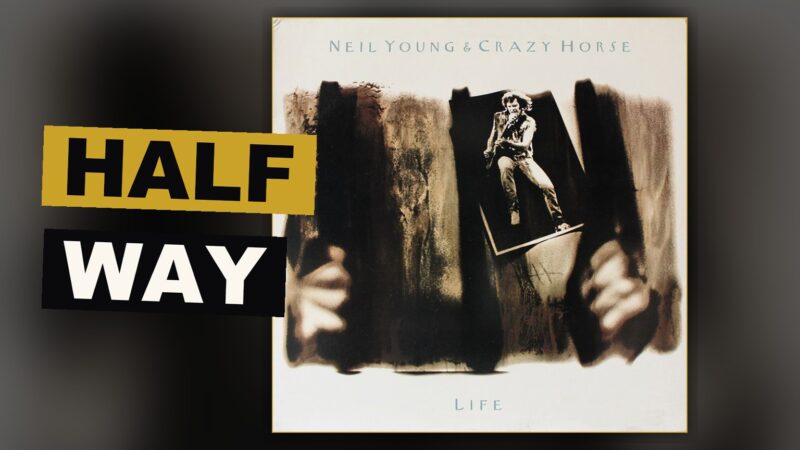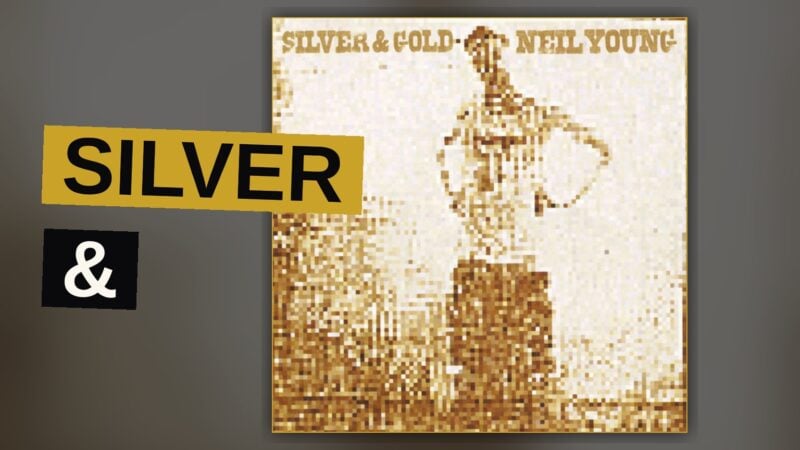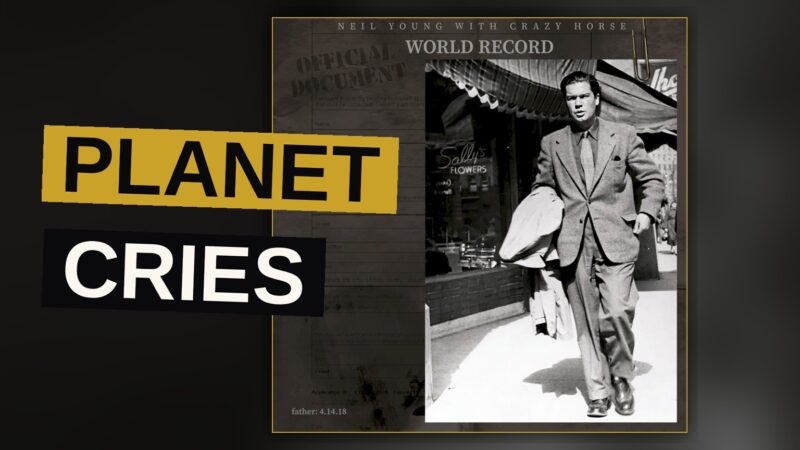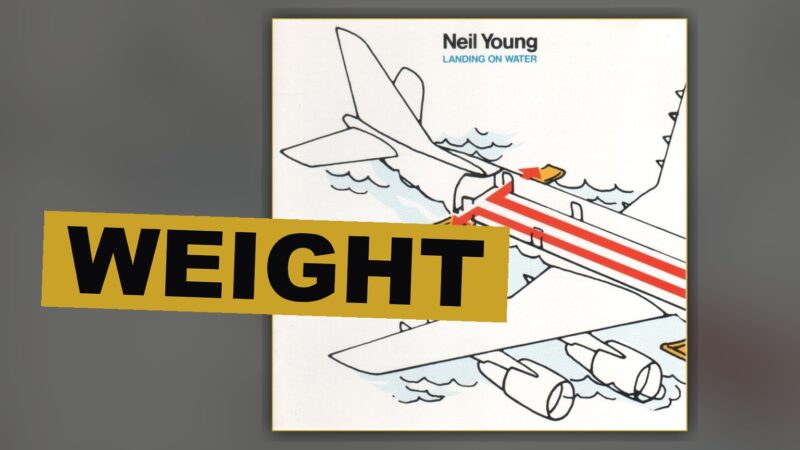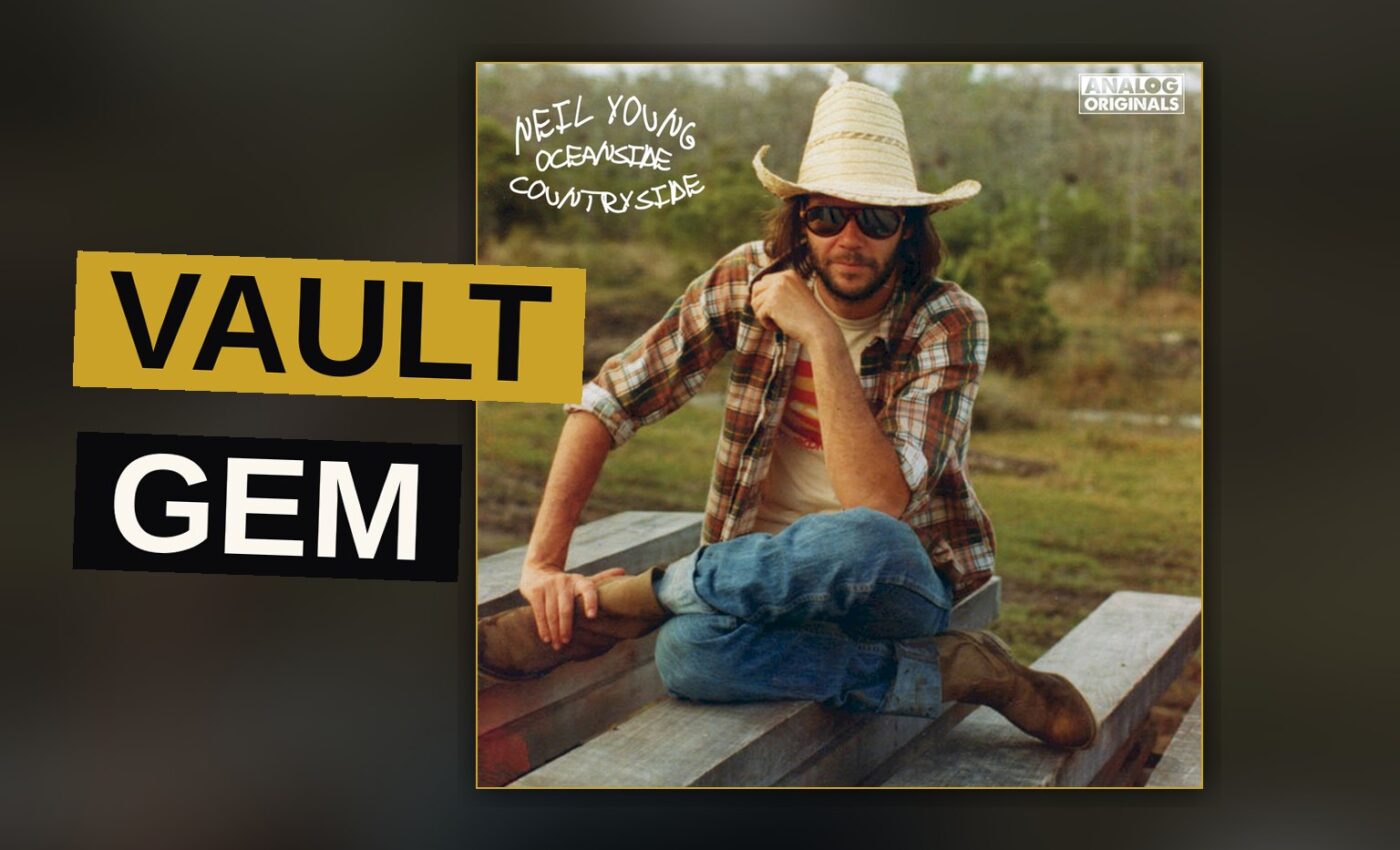
Neil Young has spent the last decade emptying out his vault, and Oceanside Countryside is the latest artifact to see the light. The album collects ten songs recorded in 1977, a strange in-between period when Young was drifting between the country-rock of Comes a Time and the electric sprawl of Rust Never Sleeps. It is not a lost masterpiece, but it is a consistent one — a quiet, cohesive listen that offers a purer angle on songs fans have known for decades.
The record hangs together as a single mood. These are acoustic-led, meditative tracks, mostly recorded solo or with minimal backing, and they feel like demos in the best sense: uncluttered, direct, and warm. The 1977 sessions were later raided for material across several albums, but Oceanside Countryside presents them as they were originally sequenced. That context matters. This is not a greatest-hits of outtakes; it is a full statement, and it holds.
A Walk Through the 1977 Sessions
The album opens with “Sail Away,” a track that would later surface on Rust Never Sleeps in a more ragged electric form. Here it is gentle and loping, with Young’s vocal sitting high in the mix over a simple acoustic strum. The melody is instantly familiar, but the arrangement gives it a different weight — less defiant, more wistful. It is the right choice for an opener, setting a tone of quiet reflection that the rest of the record honors.
“Lost In Space” follows, and it is one of the few tracks here that carries a sense of discovery. The song later appeared on Hawks & Doves, so it is not entirely new to the catalog, but it remains a lesser-known entry in Young’s songbook. The guitar work is intricate, fingerpicked and precise, and the vocal is hushed, almost private. It is a small gem, and it justifies the album’s existence on its own.
“Captain Kennedy” is next, a brief two-and-a-half-minute tale of a sailor and his son. Young recorded it for Hawks & Doves, and this version is sparser, just voice and guitar with a bit of harmonica. It is a story song, and Young sells it with a straight face, but it is the slightest track so far — pleasant, not essential.
“Goin’ Back” runs over five minutes and is the first real stretch of the record. The song would later appear on Comes a Time, and this take is slower and more searching. The piano is prominent, and Young’s vocal wanders, as if he is figuring out the melody as he goes. It does not quite cohere, but the looseness has its own appeal.
“Human Highway” is a highlight. The song is famous among fans for its long, troubled recording history — Young would keep returning to it through the late 1970s and early 1980s — and this version is the earliest to surface. It is fragile, almost unfinished, with Young singing the chorus over a delicate acoustic pattern. The lyric about a polluted river and a lost love is dark, but the delivery is tender. It is the emotional center of the album.
The Home Stretch
“Field of Opportunity” picks up the pace slightly. The song appeared on Comes a Time, and this take is bright and confident, with Young’s harmonica cutting through the acoustic strum. It is a love song, and it is one of the most straightforward things here — no murk, no irony, just a clear melody and a warm sentiment. Critics have singled it out, and it is easy to hear why.
“Dance Dance Dance” is another track that will be familiar to deep fans. Young wrote it in the early 1970s, and versions have circulated for years. This 1977 recording is the most relaxed of the bunch, a loose, bouncy number with a simple hook. It is slight, but it is also the most fun the record allows itself. It earns its place as a palate cleanser before the longer pieces that close the album.
“The Old Homestead” is the longest track here at over seven minutes, and it is the strangest. The song is a rambling, spoken-word tale about a house, a family, and a ghost, and it does not resolve in any conventional way. Young’s vocal is half-sung, half-muttered, and the guitar work is repetitive, almost hypnotic. It is the kind of track that will test casual listeners, but it rewards patience. It feels like a private document, a song Young made for himself.
“It Might Have Been” is a brief, bittersweet ballad that would later appear on Comes a Time. This version is even more stripped down — just voice and guitar, with a faint harmonica. The lyric is about roads not taken and chances missed, and it lands with a quiet ache. It is a good track, but it is overshadowed by what comes next.
“Pocahontas” closes the album, and it is the most famous song here. The Rust Never Sleeps version is a staple of Young’s live shows, but this 1977 take is the original, and it is stunning. The fingerpicked guitar is precise, and Young’s vocal is haunting, telling the story of the Native American princess and the American frontier with a mix of reverence and grief. It is the best track on the record, and it justifies the entire project.
What This Record Adds
The value of Oceanside Countryside is not in new songs — most of these tracks surfaced elsewhere over the years — but in context. Hearing these tracks in sequence, as Young originally intended them, clarifies how he was thinking in 1977. He was not heading toward the loud, angry sound of Rust Never Sleeps; he was lingering in a quieter, more pastoral mode, writing songs about home, history, and memory.
The album does not have the revelatory power of some of Young’s other vault releases. It is more like a footnote — an interesting one, but a footnote. The songs are good, but most of them were already known, and the alternate takes do not radically change how they are heard.
What the record does offer is a consistency that some of Young’s official 1970s albums lack. It is a tight, focused listen, and its quiet tone holds from start to finish. In an era of bloated reissues and endless alternate versions, that restraint is a virtue.
The Verdict
Oceanside Countryside is a worthwhile addition to Young’s catalog, but it is not an essential one. It is best understood as a companion piece — a way to hear familiar songs in a different light, and a snapshot of a specific moment in a long career. For dedicated fans, it is a pleasure. For newcomers, it is a decent entry point, though not the best one.
The record succeeds on its own modest terms. It does not try to be a grand statement, and it does not need to be. It is simply a set of good songs, played well, in a sequence that makes sense. That is enough.
Key Facts
- Artist: Neil Young
- Album: Oceanside Countryside
- Release year: 2024
- Tracks: 10
- Metacritic score: 77/100
- Standout tracks: “Sail Away,” “Field of Opportunity,” “Dance Dance Dance”
The record is a quiet one, and it asks for a quiet listen. Put it on, let it run, and you will hear a master musician at a crossroads, choosing the gentle path. It is not the loudest or the strangest thing he has ever released, but it is honest, and that honesty carries the day.
Get the Notebook.
The day's best stories and every fresh verdict, in plain English, in your inbox by seven. One email a day, no more.
- Sail Away3:49
- Lost In Space4:21
- Captain Kennedy2:51
- Goin’ Back5:08
- Human Highway3:11
- Field of Opportunity3:08
- Dance Dance Dance2:33
- The Old Homestead7:10
- It Might Have Been2:36
- Pocahontas3:26