
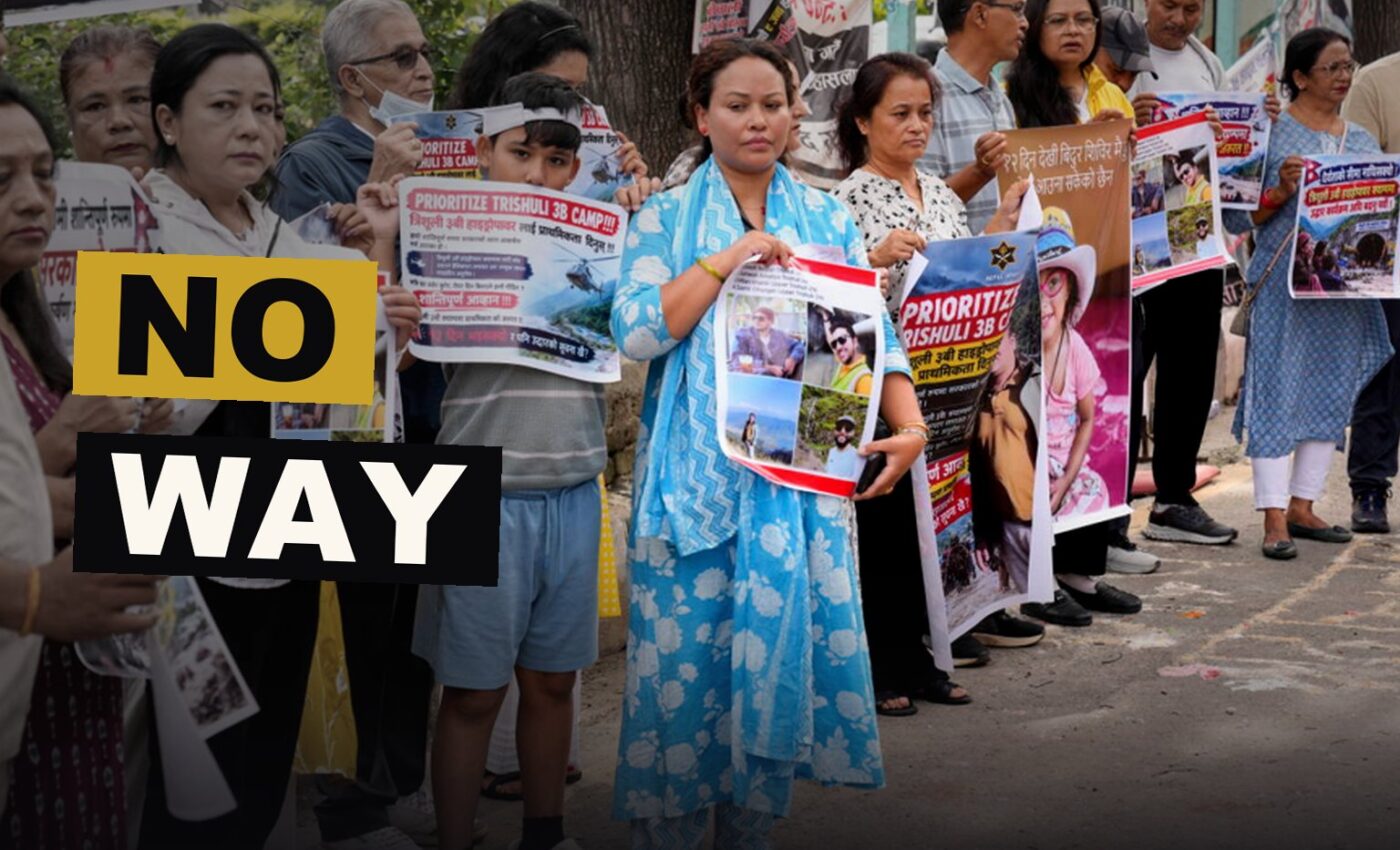
Nepal has named hundreds of missing foreigners from sudden floods that hit its border with China. China has not done the same. Twelve days later, questions are growing over how Beijing is handling word about the calamity in Tibet.
Nepal has reported over 1,300 dead and nearly 5,000 missing. China is reporting over 40 dead and more than 500 missing. Chinese officials took five days just to say that 261 foreigners missing in Tibet come from 23 countries.
A Difference in the Numbers
| Nepal | China | |
|---|---|---|
| Dead reported | Over 1,300 | Over 40 |
| Missing reported | Nearly 5,000 | More than 500 |
| Way in for foreign writers | Given at once | Kept out over a week, then only a few let in |
| Word to the public | Names, ages, countries given quickly | Took five days to say where the missing came from |
Ryan Fioresi of the DC-based International Campaign for Tibet said writers, watchers and aid groups were let into Nepal at once. He said this stood apart from what happened on the Chinese side of the border.
No Way In
China keeps foreign writers out of Tibet, a place its government treats with care as a matter of politics. It took more than a week of many requests from foreign papers before Beijing let any writers in. Even then, only a few papers were allowed, in a visit arranged with great care. NPR was not among them.
In Nepal, NPR checked in with foreign aid groups and spoke with a pilot working the search. Nepal’s police, its office for handling calamities, and its board for travel have all posted regular word on social media.
Fioresi said at least 300 homes were destroyed in Gyirong County, and that the count of the dead could be far higher than the dozens Chinese officials have named. He said Tibetans in the places hit hardest were moved to holding grounds kept under close watch, and that their word to the outside world has been cut to very little.
Beijing’s Answer
China’s foreign office has not answered NPR’s request for comment. But foreign office speaker Guo Jiakun told writers in Beijing that China has been open and quick and clear in giving out word about the floods. He also said false reports about the calamity were not wanted, and denied that China removes videos and honest accounts from those on the scene.
Bandurski, of the China Media Project in Taipei, says otherwise. He said many videos that traveled far and wide after the floods were being removed on purpose. Chinese police recently punished 10 people for what they called giving out false reports about the floods.
What State Media Show
Bandurski said Xinhua and the state broadcaster hold command of the story that reaches the public, since they are meant to guide what people think. He said China has always kept firm hold of the news, but that this hold has grown stricter over the past ten years, to a degree he called never seen before.
Xinhua, the state broadcaster and Tibet Daily have sent writers with search teams, walking through the night at great height to reach the Gyirong-Rasuwa border crossing. Rose Luqiu, who teaches journalism at Hong Kong Baptist University and studies how China controls the news, said state reporting centers on search teams, the work of aiding people, and how quickly leaders have acted. Word about the victims and villagers affected is small next to that.
Not Like 2008
During the 2008 calamity that shook Sichuan, Chinese papers sent hundreds of writers to the scene, going against a clear order from the Communist Party’s central office for controlling the news, Bandurski said. This time, the Southern Metropolis Daily, known for close reporting, ran only one lead piece on the floods in the days after — and it was copied from Xinhua.
Bandurski called this unusual for the paper, saying it did no reporting of its own. He said his team saw the same thing at other privately run papers, and that Xi Jinping has taken firm hold of the press that had been growing more free in the 2000s, leaving the government with wide command of the story and of news itself.
Luqiu said some privately run papers, including Beijing News and Southern Weekly, tried some reporting of their own, speaking with travelers rather than villagers hit directly. Twelve days after the floods, the size of the loss in Tibet remains unknown outside official word.
NPR’s Diaa Hadid in Mumbai and Mamita Bhandari in Kathmandu contributed to this report.
Source: npr.org
Get the Notebook.
The day's best stories and every fresh verdict, in plain English, in your inbox by seven. One email a day, no more.