Sonic Mania is a remake that doesn’t need to exist. The original Sonic games were built around speed, and speed is cheap to fake. What Sonic Mania does instead is something rarer: it takes the bones of those old levels, strips away the polish, and rebuilds them from the ground up. The result is a game that feels less like a nostalgia trip and more like a masterclass in level design.
Sonic Mania was released in 2017 for PS4, PC, Xbox One, and Switch. It was developed by Christian Whitehead, Headcannon, and PagodaWest Games, with contributions from Sega. The game collects three full continuities of Sonic history—Sonic the Hedgehog, Sonic CD, and Sonic 3 & Sonic & Knuckles—and builds new zones on top of them. It is a love letter to a specific era of gaming, but it wears its affection lightly. There is no fan service here, just tight, fast, and often brutal level design.
Opening With Green Hill
The game opens with Green Hill Zone, a direct remake of the original Sonic the Hedgehog. It is a gentle introduction, but the pace picks up fast. The game moves through the classics at a brisk clip, hitting the high points of each continuity before moving on. The new zones, built for Sonic Mania, are where the game truly shines.
The levels are built around momentum. A ramp sends Sonic flying forward, and the level design is built to keep him moving. Rings pile up fast, but lose count just as quickly if you touch a hazard. The game is generous about checkpoints, but stingy about lives. That balance is deliberate. Sonic Mania wants you to feel the rush of speed, but it also wants you to earn it.
Choosing Between Three Characters
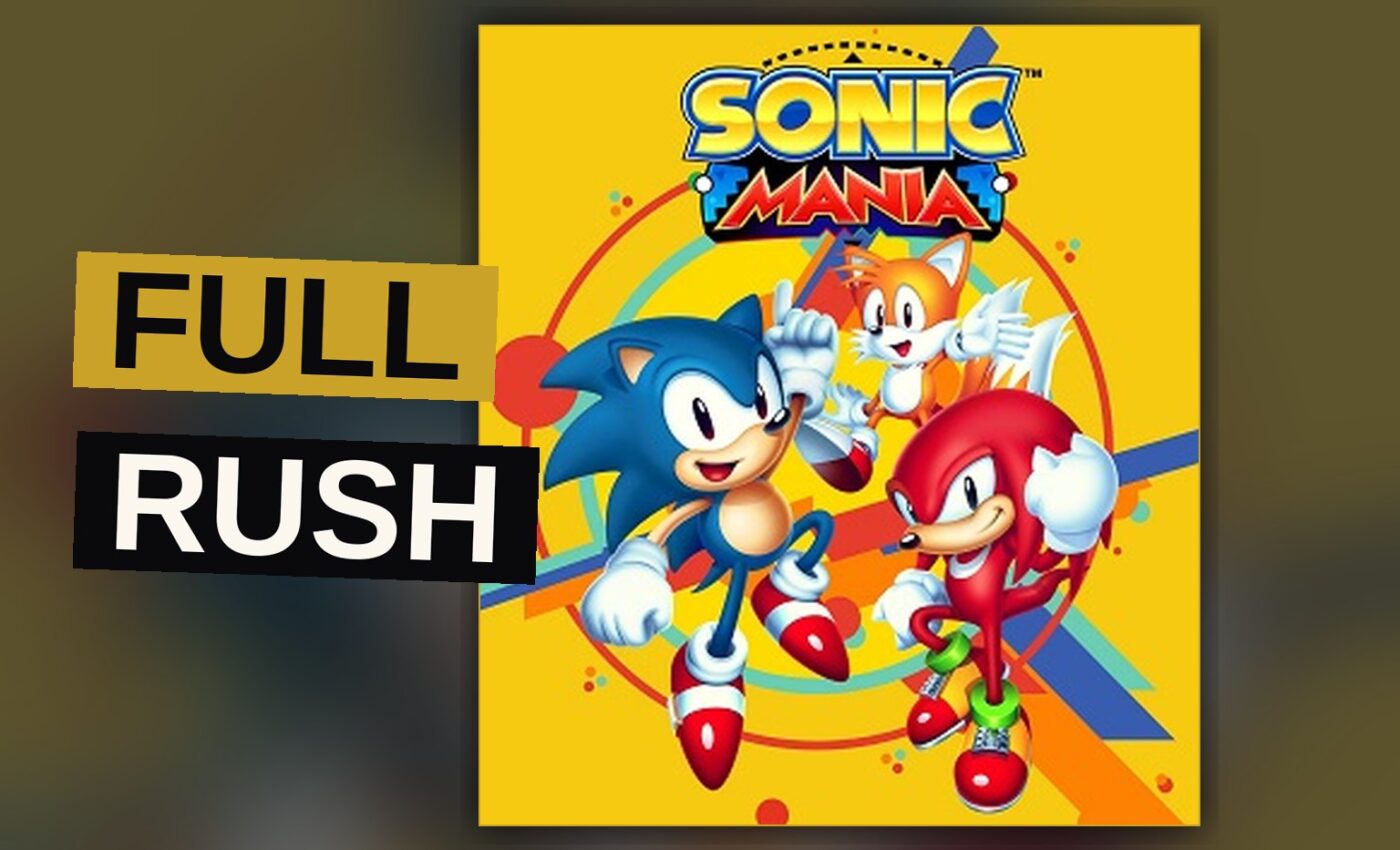
There are three characters to choose from: Sonic, Tails, and Knuckles. Each has a distinct feel. Sonic is the fastest, but he loses traction on ice. Tails is slower but steadier, and he can glide across open spaces. Knuckles is slowest of all, but he can climb walls and break through stone floors. The game rewards switching between them, since each character excels in zones designed around their strengths.
The controls are precise. Sonic Mania respects the player’s input. A jump command registers instantly, and a spin attack lands with a satisfying thud. The game does not hold your hand. It expects you to learn the patterns, and it does not apologize for that.
Graphics And Sound Design
Sonic Mania runs at a smooth 60 frames per second on all platforms. The graphics are clean, with a cartoonish style that leans into the source material. The game renders the classic zones with new lighting and detail, but it keeps the character models simple and readable. It is a technical achievement, but it is also a practical one. The game never sacrifices clarity for flash.
The sound design is excellent. The music is a mix of licensed tracks and original compositions, and it carries the energy of the action. The sound effects are sharp, and the ring collection sound is satisfying in a way that few games manage. The game knows when to layer sound and when to let the action speak for itself.
The Difficulty Curve
Sonic Mania is not easy. It is not unfair, but it is demanding. The game is built around precision, and a single mistake can cost you your position, your rings, or both. The difficulty curve is steep, but it is also fair. The game telegraphs its hazards, and if you die, it is usually your fault.
The game includes a time trial mode, which adds a layer of pressure. It is a great way to test your skills, but it is also a great way to drive yourself crazy. The game’s time trials are a personal challenge, not a public contest.
The Story And Its Shape
Sonic Mania has a loose narrative, but it is not the focus. The game is more interested in the levels than in the plot. The story is thin, and it is told through brief cutscenes between acts. It is enough to give the game a shape, but it does not distract from the gameplay.
The game is best played in short bursts. Each act is a self-contained unit, and the game encourages you to play through the levels again to find hidden paths and extra rings. The collectathon elements are present, but they are not the main draw. The draw is the speed.
The Legacy Of Sonic Mania
Sonic Mania is a successful reboot. It is a game that respects its source material while improving on it. It is a game that understands what made the originals fun, and it builds on that foundation.
The game is not perfect. Some of the later zones are harder than necessary, and the game’s difficulty spikes can be frustrating. The game also lacks a strong multiplayer component, which limits its replay value for some players. These are minor complaints, though. They do not detract from the core experience.
Key Facts Box:
– Platforms: PS4, PC, Xbox One, Switch
– Developer: Christian Whitehead, Headcannon, PagodaWest Games, with contributions from Sega
– Score: 8.5 of 10
| Character | Strength | Weakness |
|---|---|---|
| Sonic | Fastest movement | Loses traction on ice |
| Tails | Steady gliding | Slow acceleration |
| Knuckles | Wall climbing | Slowest overall |
Final Word On Sonic Mania
Sonic Mania is a triumph of design. It takes the best ideas from a long history of games and distills them into a tight, focused package. It is a game that rewards skill, respects the player, and delivers on its promises. It is not the easiest game to play, but it is the most rewarding.
The game is a reminder that speed is not just a quality of a game, but a feeling. Sonic Mania captures that feeling better than most games in its genre. It is a game that demands attention, and it repays that attention with pure, unadulterated joy.
Sonic Mania is a must-play for anyone who loves platformers. It is a game that stands alongside the classics it borrows from, and it deserves to be remembered as one of the best games of its generation.
Get the Notebook.
The day's best stories and every fresh verdict, in plain English, in your inbox by seven. One email a day, no more.