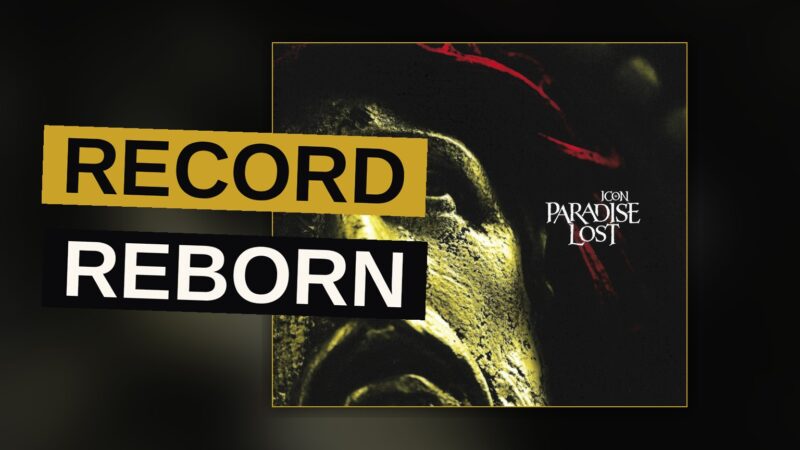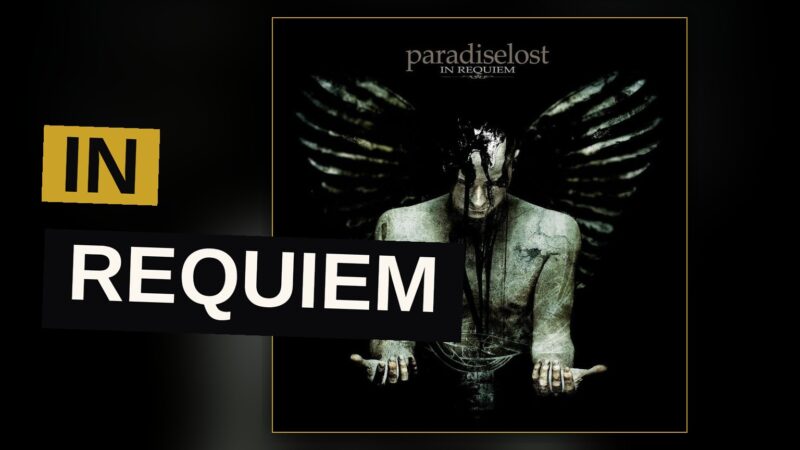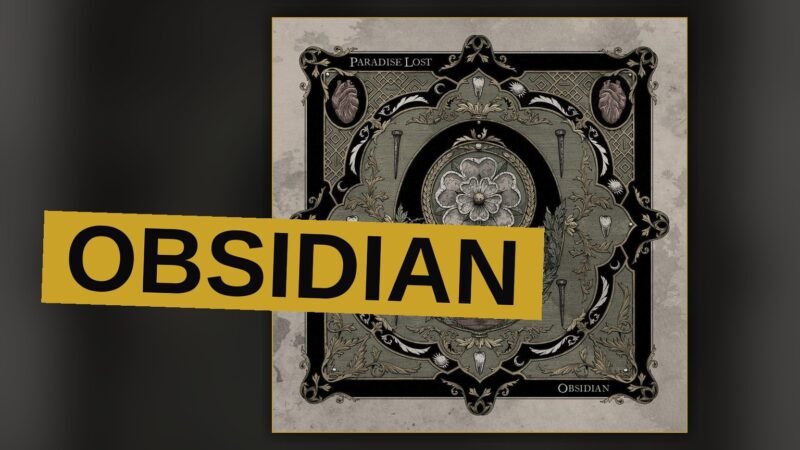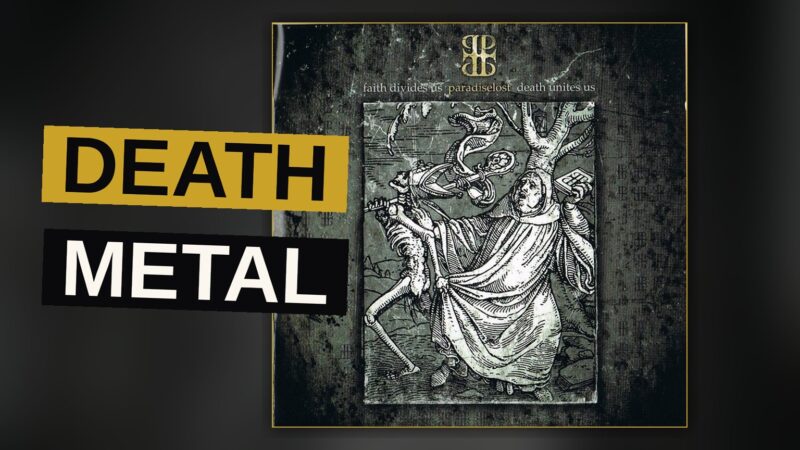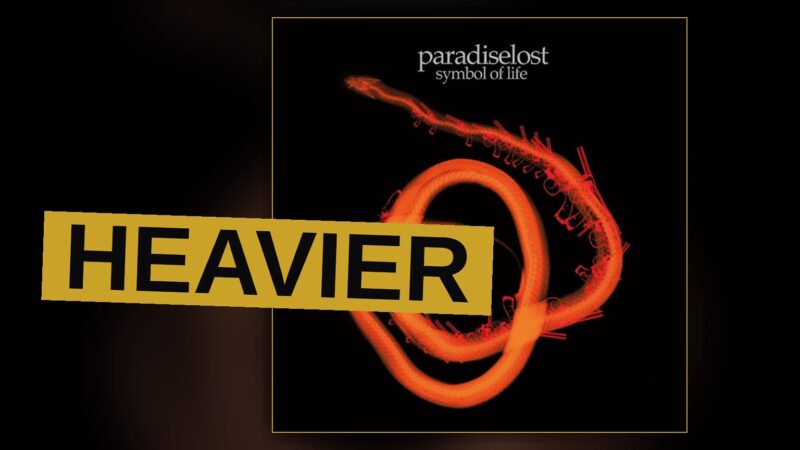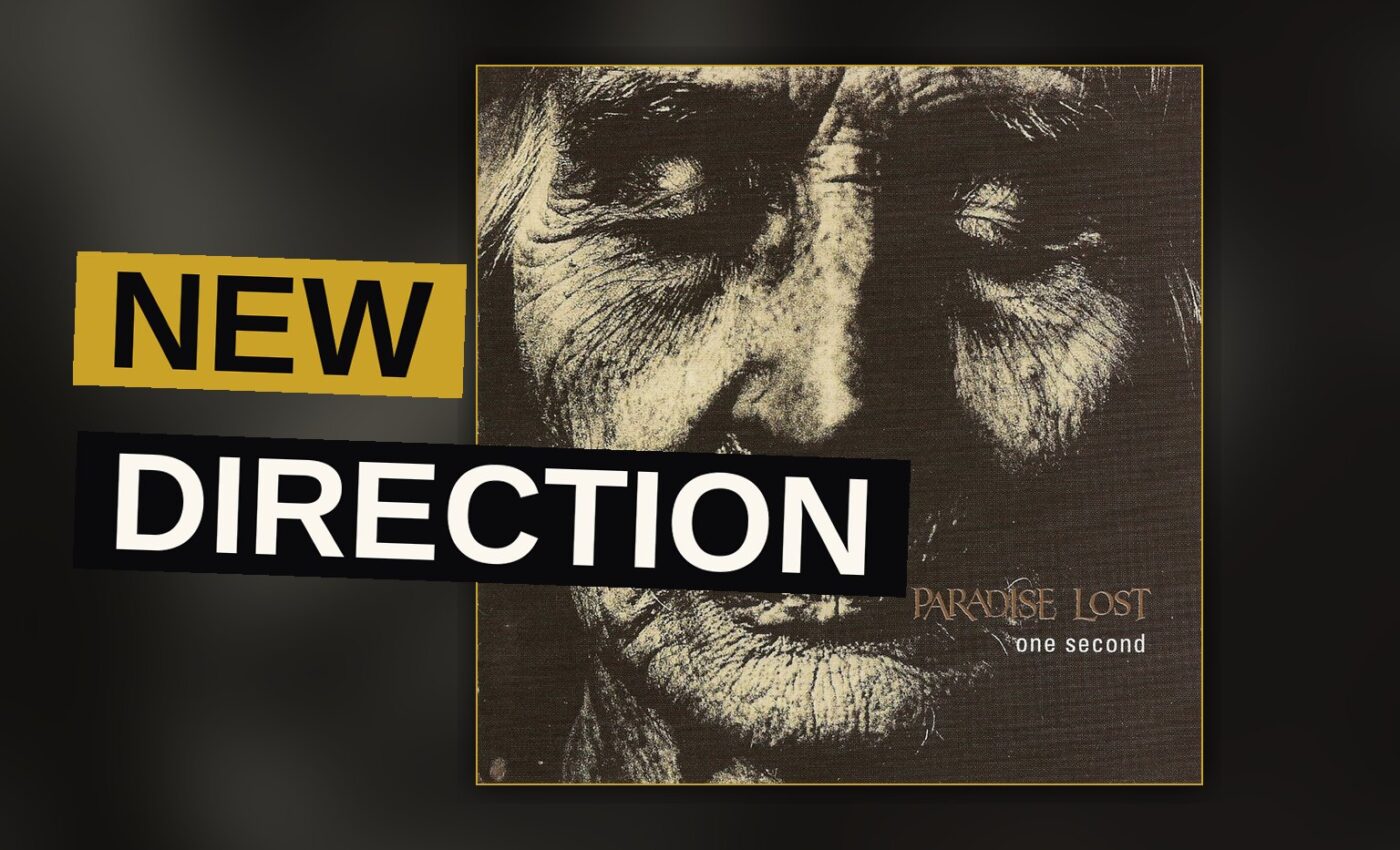
Paradise Lost spent their early years mining the heavy, slow, dark ground of doom metal, building their name on records like Draconian Times that rewarded patience and dread over pace. One Second, released in 1997, threw that blueprint away. The band moved into something faster, more electronic, and more direct, and the record now stands as the moment where Paradise Lost stopped sounding like a doom outfit and started sounding like something closer to gothic rock with teeth.
What The Band Changed
The shift is total. The guitars are cleaner, the tempos are quicker, and the production favors melody over weight. That is the whole point of the album: Paradise Lost wanted to move forward, to build something that still carried the band’s sense of loss and dread but did not ask listeners to sit through slow, grinding riffs to get there.
It is a gamble. Doom fans who had followed the band since the start were not sure what to make of a record that traded their favorite sound for something lighter and more urgent.
Opening With The Title Track
The record opens with “One Second,” a track built around a driving riff and a chorus that wants to be sung along to. It sets the tone immediately: this is a Paradise Lost record that does not want to sit still. The title track earns its place as the mission statement, even if it does not reach the heights of the songs that follow it.
“Say Just Words” follows and it is the best proof of what the album can do. The song builds from a simple piano line into a full band swell, and the vocal delivery carries real weight without ever losing the melody underneath. It is the track most often pointed to as evidence that the change worked, and it remains the strongest argument for the record as a whole.
Mercy Through The Middle
“Lydia” is gentler, more atmospheric, and it works as a palate cleanser after the force of “Say Just Words.” It does not reach the same heights, but it gives the record room to breathe.
“Mercy” picks the pace back up. It is one of the tracks critics singled out, and it shows why: the arrangement shifts from a quiet verse into a chorus that feels both urgent and controlled. It is a strong song, and it stands as one of the record’s clear high points.
“Soul Courageous” is shorter and tighter than most of the album, and it moves fast. It is a solid track, not a great one, and it serves more as a bridge between the bigger songs than as a destination in itself.
“Another Day” is the album’s most obvious attempt at a radio-sized pop structure, and it is also the track most likely to frustrate anyone expecting the old Paradise Lost sound. It is a good song, but it is the clearest sign of the departure from doom that set some fans against the record.
“The Sufferer” closes the middle stretch of the record on a high note. It is one of the tracks critics pointed to, and it shows the band at their most confident in this new direction: the writing is sharp, the performance is committed, and the song never loses its grip on the listener.
The Back Half
“This Cold Life” slows things down again, and it is one of the weaker stretches of the record. It is not bad, but it lacks the focus that defined the earlier songs.
“Blood of Another” picks the pace back up, and it is a decent track that does not do enough to justify its position in the running order.
“Disappear” is the longest track on the album at 4:29, and it uses the extra time to stretch out and find its footing. It is a solid song, but it is not essential.
“Sane” closes the album on a quieter note, and it works as a calm before the final push.
“Take Me Down” ends the record on its most ambitious terms. It is the longest track by far, and it builds to a climax that matches the ambition of the rest of the album. It is a strong closer, even if it does not quite match the peaks reached earlier.
Where It Lands
The album’s reception split cleanly between those who heard the ambition and those who missed the old sound. Fans who had followed the band since the doom era were disappointed, while critics praised the writing and the ambition of the move. The record was greeted on the whole very positively, but quite a departure from Draconian Times and pissed off a few people naturally.
Listening to the album now, one has to say it is breathtaking. That judgment holds up, even as the record’s place in the band’s catalog remains contested.
The songs that work best — “Say Just Words,” “Mercy,” “The Sufferer” — show a band at the height of its powers, even as the record as a whole struggles to sustain that peak across its full length.
| Track | Length |
|---|---|
| One Second | 3:33 |
| Say Just Words | 4:03 |
| Lydia | 3:32 |
| Mercy | 4:25 |
| Soul Courageous | 3:01 |
| Another Day | 4:44 |
| The Sufferer | 4:30 |
The record’s highs are real and they are frequent. The lows are real too, and they are more scattered than they should be.
- “Say Just Words” — the standout
- “Mercy” — the strongest middle track
- “The Sufferer” — the best closer
- “One Second” — the mission statement
- “Another Day” — the weakest moment
Final Word
One Second is a bold record, and it mostly earns its ambition. The best songs here rank among the band’s finest work, and the shift from doom is a genuine risk that pays off more often than not. The lesser tracks, particularly “Another Day” and the back half, show where the ambition falters, but they do not sink the record entirely.
This is a Paradise Lost record that rewards attention and punishes patience, and it is better than it has any right to be. It is not a perfect album, and it is not a return to the band’s doom roots, but it is a confident, well-written one.
- One Second3:33
- Say Just Words4:03
- Lydia3:32
- Mercy4:25
- Soul Courageous3:01
- Another Day4:44
- The Sufferer4:30
- This Cold Life4:21
- Blood of Another4:01
- Disappear4:29
- Sane4:01
- Take Me Down5:26