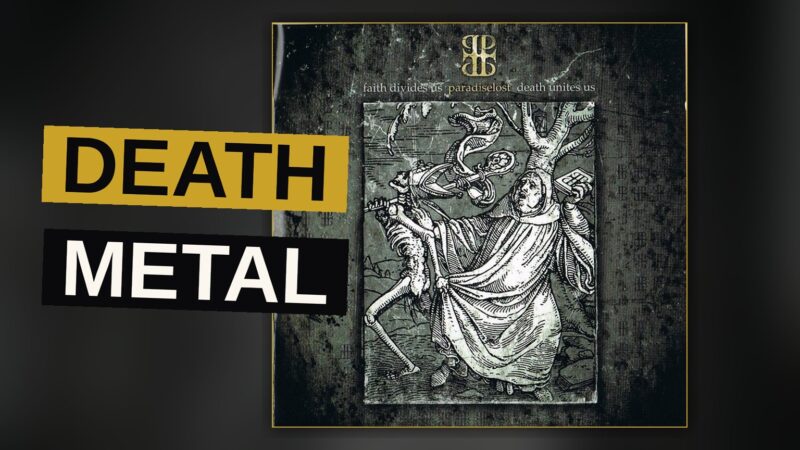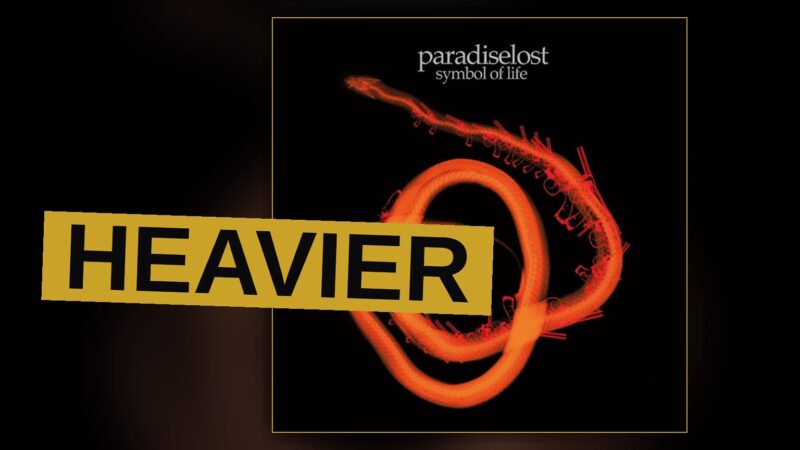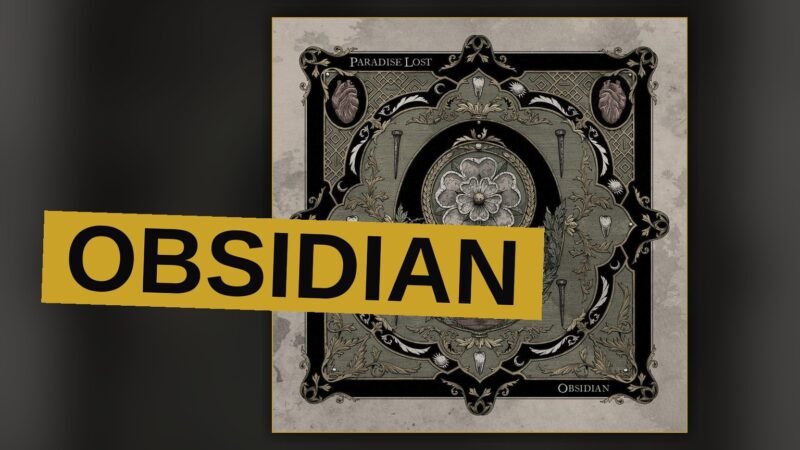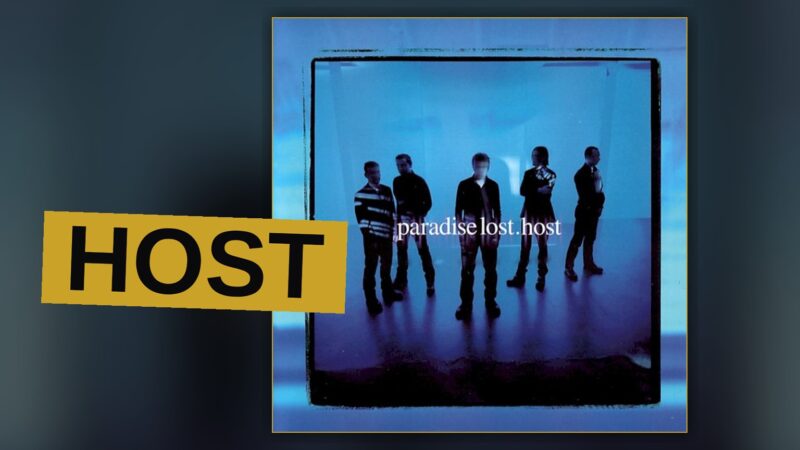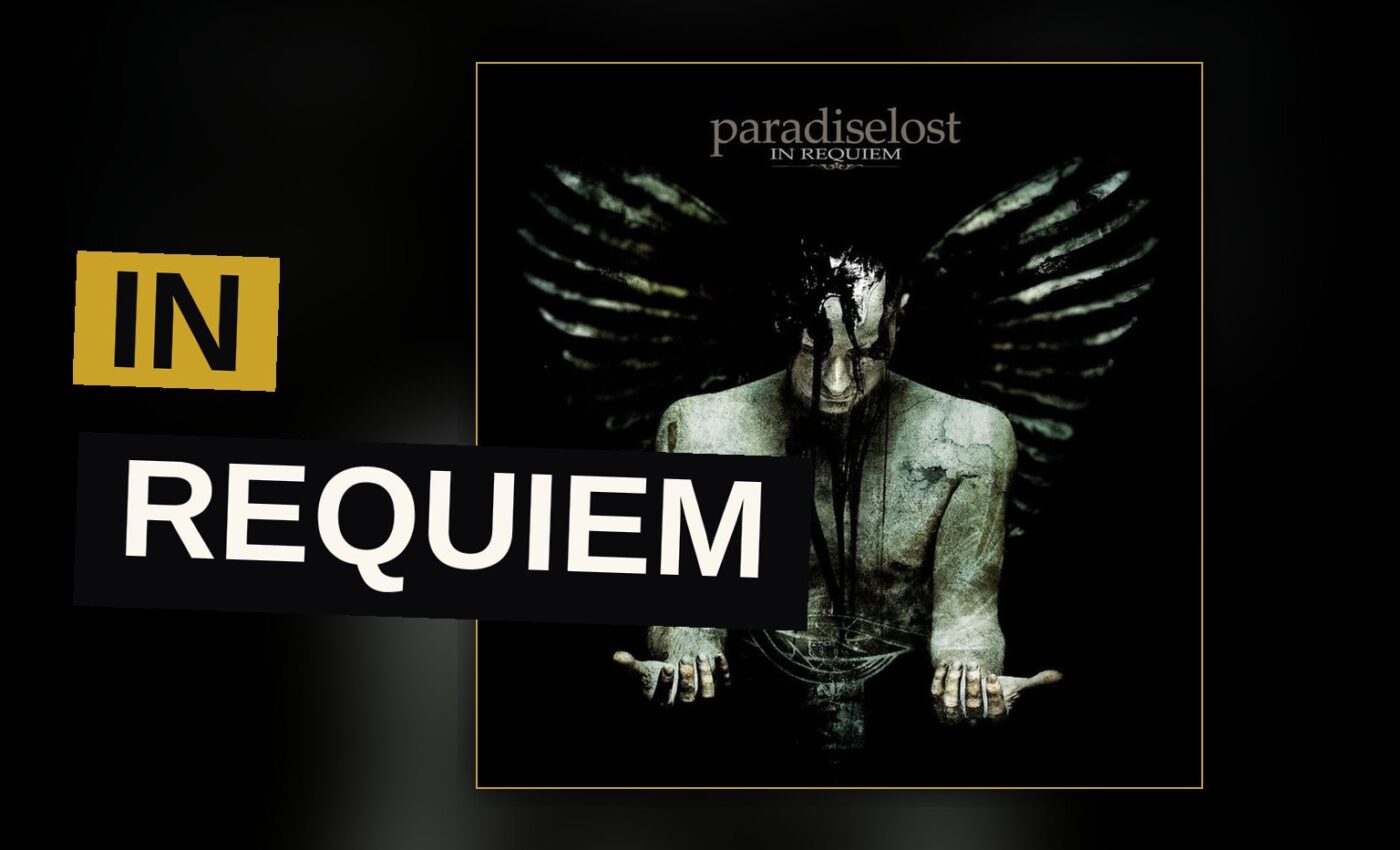
Paradise Lost’s In Requiem is a record that wants to sit between two worlds. It is built on heavy metal guitar riffs and pounding drums, a sound that moves the band far from the lighter, more melodic work that defined their earlier years. The goal is to bring back the weight of their early records while keeping the band’s identity whole.
The result falls short. Eleven tracks, 45 minutes, and none of them land with the force they aim for.
Never for the Damned Through Unreachable
The album opens with “Never for the Damned,” a track that sets the tone with its title alone. It is heavy, dark, and repetitive in a way that feels less like a statement and more like a mood. “Ash & Debris” follows and does little to change that impression. It is competent, but it blends into the wall of guitar noise around it.
“The Enemy” stands out as the strongest opener. Its build and chorus carry more weight than anything else in the first half. “Praise Lamented Shade” follows and earns a similar reputation. Both tracks show what the band can do when the production cuts through instead of burying the song beneath it.
“Requiem” and “Unreachable” close this stretch without leaving much of an imprint. They are solid enough to fill space, but they do not justify the record’s existence on their own.
Prelude to Descent Through Sedative God
“Prelude to Descent” is a short, tense piece that works better as a mood-setter than as a full song. It is atmospheric, but it does not move the album forward. “Fallen Children” picks up the pace slightly, but its melody gets lost in the mix.
“Beneath Black Skies” continues the trend of decent but unremarkable tracks. The drumming is busy, the guitars are loud, and nothing sticks.
“Sedative God” is the standout of this stretch, and it is easy to hear why. It has a hook that cuts through the production, and the vocals land with real force. It is the clearest example of the band finding the balance they were chasing throughout the record.
Sedative God stands apart from the rest of the album.
Your Own Reality and the Back Half
“Your Own Reality” closes the record on a note that sums up the whole project: competent, heavy, and ultimately forgettable. The album ends where it began, with a band that knows what it sounds like and has not found a way to make it matter.
Comparing the Tracks That Work
| Track | Why It Works |
|---|---|
| The Enemy | Strong build and chorus |
| Praise Lamented Shade | Solid songwriting |
| Sedative God | Clear hook, strong vocal |
The table shows the three tracks that stand out from the rest of the record. The front half and the back half are mostly filler, with “Sedative God” being the only moment that breaks through the haze.
Score
In Requiem is a failure of focus. The band spends 45 minutes trying to be both heavy and atmospheric, and neither side wins. The guitar work is often buried, the production is dense, and the songs rarely rise above the din.
The record has moments — “The Enemy,” “Praise Lamented Shade,” “Sedative God” — but those moments are surrounded by tracks that exist only to fill time. This is a band that should know better, and this is an album that proves it did not.
- Never for the Damned5:06
- Ash & Debris4:16
- The Enemy3:39
- Praise Lamented Shade4:03
- Requiem4:25
- Unreachable3:39
- Prelude to Descent4:12
- Fallen Children3:38
- Beneath Black Skies4:13
- Sedative God3:59
- Your Own Reality4:06