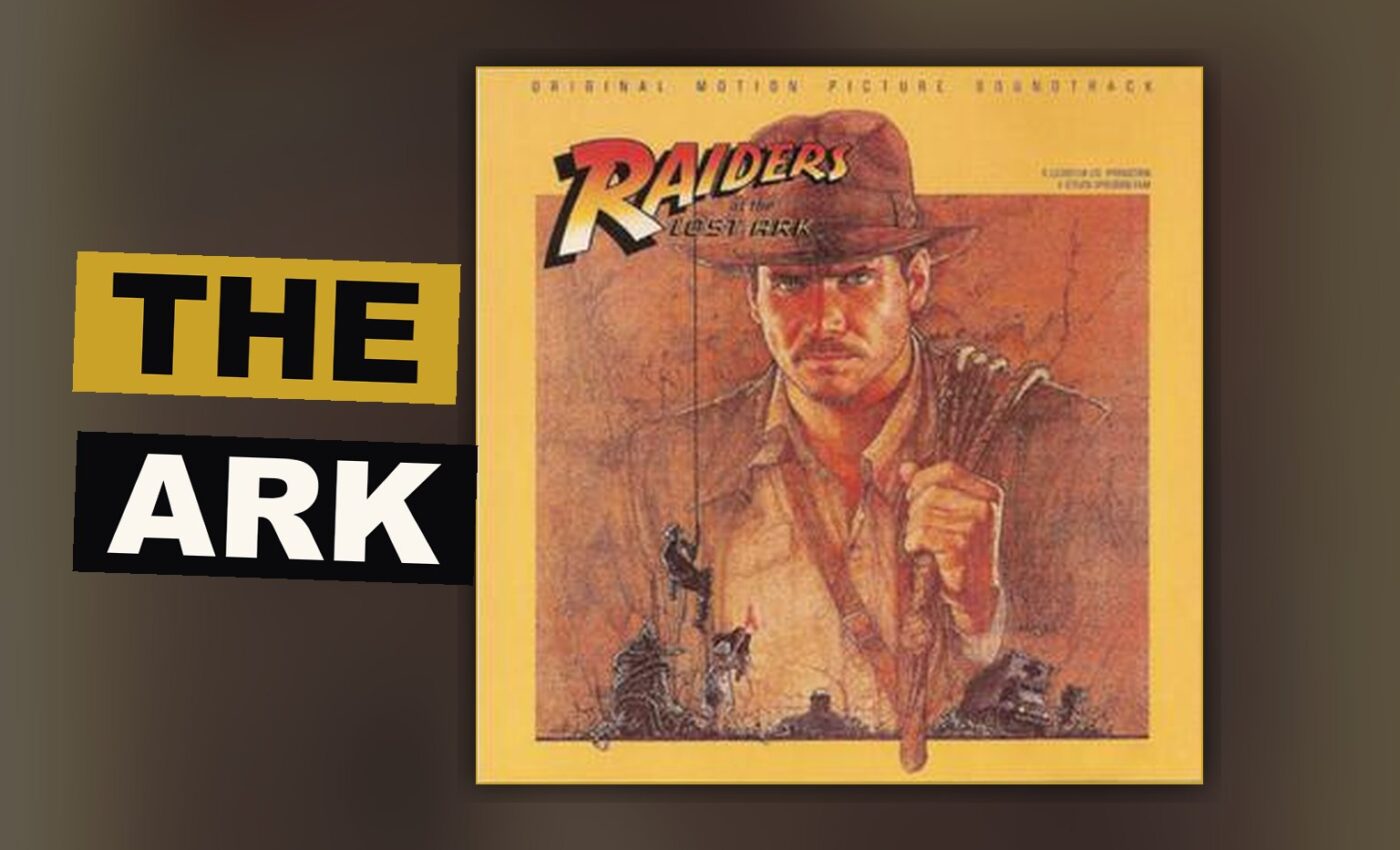
Indiana Jones cracks his leather cord in the opening minutes of Raiders of the Lost Ark, and the film never really eases after that. Steven Spielberg’s 1981 adventure sends its hero across South America, a desert country in the Middle East and a small mountain town, all in search of a sacred Ark before German soldiers can find it first. The search is the whole point, and it works.
Opening Chase in South America
The film starts inside a South American temple, where Indiana Jones trades a golden idol for a small quantity of earth and nearly dies for the trouble. A great rolling stone chases him out of the temple. It is a short scene, but it sets the rules for everything that follows: unseen dangers, narrow escapes, a hero who makes things up as he goes rather than planning ahead.
Harrison Ford plays Indiana Jones as tired and given to quiet jest, often beaten down by the end of a scene. He gets hit, cut and thrown around more than most action heroes of the period. That physical cost gives the film weight. He is not one who is easily overcome by accident; he simply refuses to quit.
An Old Flame at the Mountain Town
An old flame runs a bar at the small mountain town, and she can drink men under the table and land a blow when needed. She is not idle, waiting to be saved; she fights back throughout, and the film is better for it.
The connection between the two leads carries the middle part of the story, especially once they are forced to work together after her bar burns down.
John Williams’ Score
John Williams wrote the score, and the main theme has become one of the most recognized pieces of film music ever recorded. It drives the chase scenes and gives the quieter moments a sense of scale. The music does a great deal of the film’s feeling work.
A Story Told Quickly
Raiders of the Lost Ark moves fast. Spielberg rarely lets a scene run long past its purpose. The story moves from South America to the small mountain town to a busy desert city without much time spent on transitions, and that quick pace keeps the suspense high.
A few scenes stand out as the film’s clear highlights:
- The temple escape in South America, with the rolling stone and the rods coated with poison.
- The fight in a full desert square, where Indiana Jones fires his gun at a man with a blade rather than trade strikes with him.
- The truck chase, where Indiana Jones is dragged under a moving vehicle and still comes out on top.
- The opening of the Ark itself, which turns the film briefly into something close to horror.
Each of these scenes could stand alone as a short film. Together, they give Raiders of the Lost Ark a rhythm that rarely eases.
Facing a Rival Scholar
The German soldiers’ hired agent, a student of ancient objects working for the wrong side, gives Indiana Jones a rival who mirrors him almost exactly. He is a man of learning too, willing to serve the enemy to get what he wants. That mirroring gives their scenes together real suspense, since he is not simply evil, just less careful about who he serves.
The end, in which the Ark’s power destroys the men who open it, is a plain but effective close. It also keeps Indiana Jones himself at a safe distance, tied up and told not to look. He comes through by doing nothing, which says something about how the film treats its hero: skill matters less here than luck and instinct.
Some Rough Edges
Not everything in Raiders of the Lost Ark has aged well. The film’s view of other peoples, especially in its desert city scenes, relies on an old way of showing foreign lands, and that can feel dated now. The story itself lacks depth, more a series of set pieces than a tightly woven tale. Spielberg does not seem interested in explaining much; he wants a quick pace, not logic.
That lack of depth is rarely a real problem, since the film moves quickly enough that weak points in the tale are easy to miss. It works because the two leads and Spielberg build an entire personality out of pace and character rather than the workings of a careful story.
Raiders of the Lost Ark remains a model that other action films have tried to copy for decades, with mixed results. Few of them have matched its mix of humor, danger and quick pace. The film earns its reputation scene by scene rather than through any single moment.