
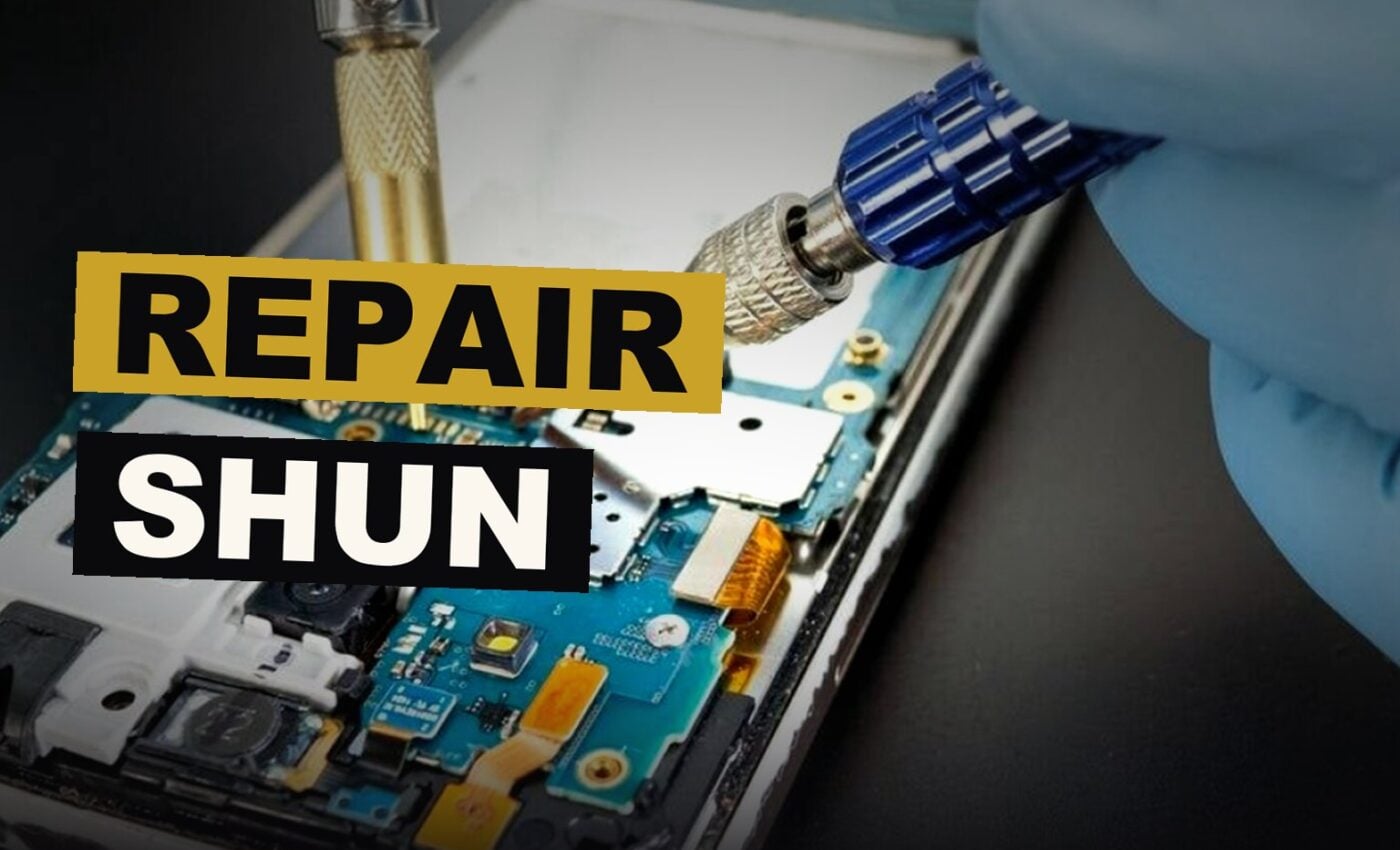
Smartphone makers are not bothering to comply with EU repairability requirements, according to a report circulating this week. The story sits alongside a busy run of technology news, where AI deals, security breaches and open source updates all competed for notice.
What the EU Rules Ask For
The EU repairability requirements are generally understood as an effort to make phones simpler to fix and to extend their working life. Smartphone makers appear to be passing over compliance rather than building it in from the start, based on the report driving today’s discussion.
The story does not say which companies, or which parts of the rules, are being passed over. What is clear is that there is a distance between the rules and actual practice.
This week’s other headlines were busy. AMD’s Threadripper Halo debuted as a local-AI machine built for researchers, packing up to 576 GB of HBM3e memory and 16 TB/s of bandwidth. A deal worth $12.9bn involving Hugging Face and Nvidia raised concern about too much control sitting with one company. Meta said an open build of its Muse model, now taught to waste fewer tokens, is coming “soon.” Google’s Gemini 3.8 Flash also launched, drawing notice for running fast and scoring well without costing too much, for now.
Security had a rough time too. AI agents carried out every step of a ransomware attack, then left the victim an 80-page report on its own security weaknesses — adding insult to injury. Russians were caught posing as Signal support people to run phishing attacks. Microsoft’s patches failed to fully fix on-prem SharePoint, which is now under attack through a weakness that attackers found before a fix was ready. DEF CON’s Franklin project brought in hackers to help guard critical infrastructure, building on the success of DEF CON’s Voting Village work; Jeff Moss said the whole of DEF CON will now be included, not just the Voting Village.
Money Moving Through Security
EQT bought a majority share in the Swiss cybersecurity firm Acronis, in a deal that valued the entire company at the equivalent of $3.5B or more. The portion actually sold was not specified. Mikko Hyppönen marked ten years since the first corporate ransomware attack, saying he sees no end to it, though he noted that working in security remains a good bet for a long career.
Here is a short look at how some of this week’s stories compare:
| Story | What Happened | Detail Given |
|---|---|---|
| Repairability report | Rules not followed by makers | No companies named |
| AMD’s Threadripper Halo | New AI machine launched | 576 GB HBM3e, 16 TB/s |
| Hugging Face / Nvidia | Deal announced | $12.9bn |
| EQT / Acronis | Majority stake bought | Whole firm valued at $3.5B+, portion sold not specified |
| SharePoint | Patches did not hold | Attack through a weakness found before a fix was ready |
Debian, Kumander and TrueNAS Updates
Several smaller stories rounded out the week in free software. Kumander Linux, built on Debian and Xfce, was noted as a solid pick for anyone who liked the feel of Windows 7. Canonical said it’s shutting down some of Ubuntu’s older chat channels — the Ubuntu Pastebin closed already, and IRC is next. The Audacity app for editing sound got new features and a new look.
Haiku OS put out its Beta 6 build, described as a real alternative to running some kind of Unix copy. Offshoots of the cancelled TrueNAS Core plan are moving to FreeBSD 15: one project has stepped aside, and two new ones, FreeCORE and BSDnas, have taken its place. Debian voted to let contributors write code with help from AI, with disclosure left up to the person and quality checked regardless.
Below is a list of this week’s free software items:
- Kumander Linux covered, built on Debian and Xfce.
- Canonical closes older Ubuntu chat channels, starting with Pastebin.
- Audacity gets new features and a new look.
- Haiku OS ships Beta 6.
- TrueNAS Core offshoots move to FreeBSD 15, producing FreeCORE and BSDnas.
- Debian votes to allow AI-assisted code contributions.
None of these stories touch the repairability issue directly. But taken together, they show an industry moving fast on some fronts — AI tools, software project rules — while seeming to move slowly on others, such as meeting its duties under EU law on repair.
The report on device makers passing over EU repairability rules does not name any company or list which rules are being missed. Whether that distance between rule and practice leads to any real change is not something the source material says.
Source: theregister.com
Get the Notebook.
The day's best stories and every fresh verdict, in plain English, in your inbox by seven. One email a day, no more.