
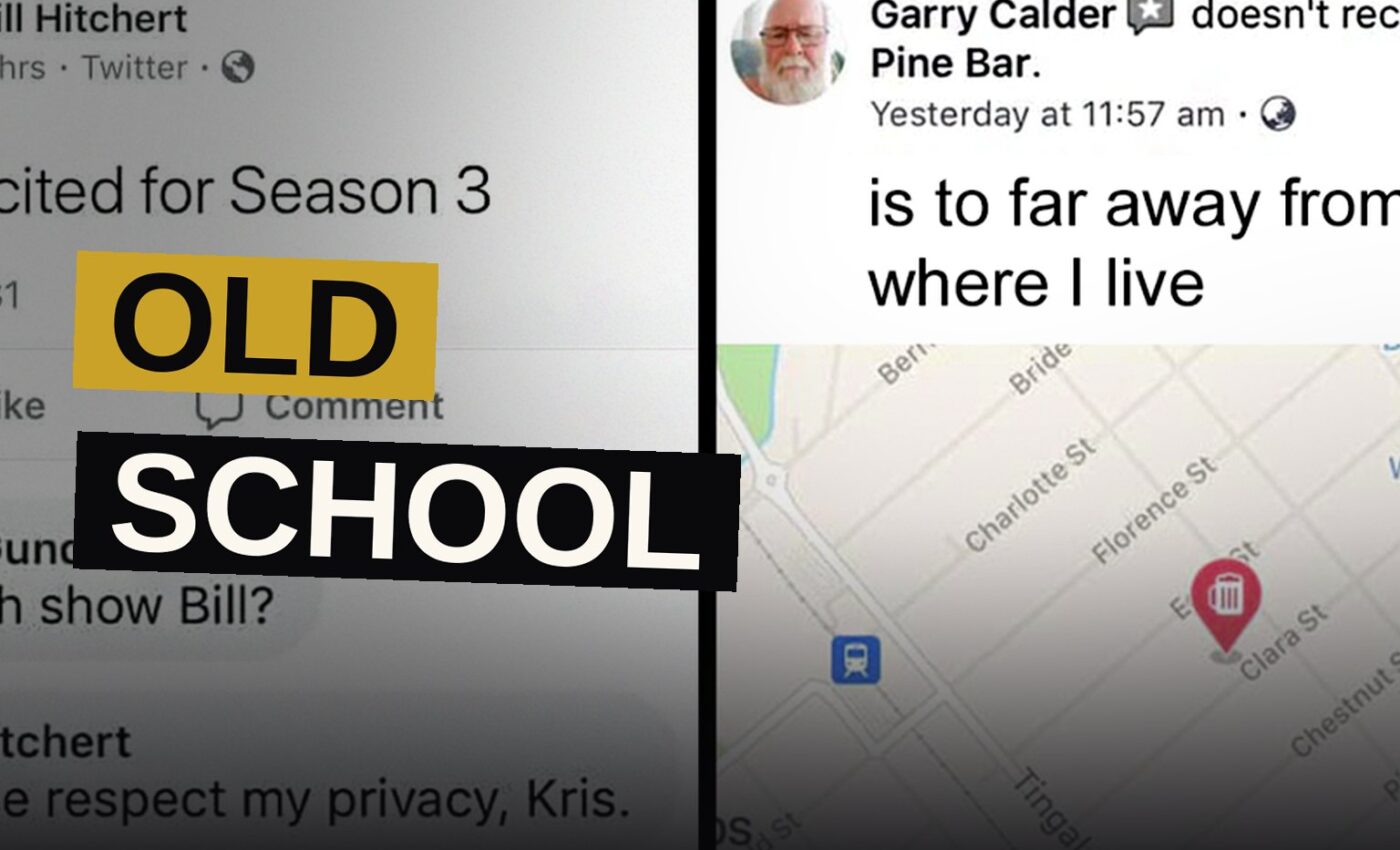
The Facebook page ‘Old people comments’ collects the strange, funny and sometimes baffling things older internet users post online. The page shows older adults talking directly to software, oversharing personal details, or reacting to modern life with confusion. It is comedy gold, and it sits right there in the feed, ready to be shared.
But the humor has a serious side. Carolyn Wilson-Nash, a lecturer of marketing and retail at the University of Stirling, and Julie Tinson, a professor of marketing at the same establishment, say these pages can accidentally turn older people away from the digital world. That matters most in hard times, when the internet is a lifeline.
The Digital Divide Among Older Adults
Older adults are not all in the same position. Some have used digital technology for years. Others have almost no experience with it. The gap is wide, and the consequences are real.
“Older adults are already at a digital disadvantage: 18% of over-65s do not have internet access,” the two wrote in The Conversation.
The pandemic made the problem visible. “Propelled by enforced isolation, older people increasingly turned to technology during the pandemic, but not all were able to connect or communicate with friends and family via the internet,” they said.
The result is a mix of emotions. Some older people feel confident. Many do not. They describe a lack of control, a sense of being overwhelmed, and poor design in everyday devices. Those feelings can lead to a sense of being incompetent, alone, and even trapped.
What The Facebook Page Shows
The page ‘Old people comments’ is full of examples. The posts range from angry to confused to oddly touching. Some are just funny.
- Comments directed at the software itself, as if Fb can hear them
- Sharing personal details with strangers
- Simple statements of support that read as wholesome
- Confusion about how to edit or remove a post
One comment reads “Do You Hear Me Fb!! No More !!” Another says “Absolutely Sickening #cancelmarilyn.” A third offers “Stunning And Brave.” There is “Yeah Nah Fair Enough” and “Same [to be honest].” The page also features “Me Too Jean,” “Cheers Helgie,” “Iconic,” and “The Wholesome Content Needed At This Point In Time.”
One example on the page carries the caption “Shared 4102.”
The Problem With Laughing At Older Users
Wilson-Nash and Tinson say the humor can work against the people it features. When the media and social pages show older people as hopeless with technology, it spreads a common picture. That picture can discourage older adults from trying at all.
The two studied these mixed emotions directly. “Through our research, we wanted to examine these mixed emotions that older people have about using technology, and how they develop ways to combat the challenges they face,” Wilson-Nash and Tinson said.
They also noted a gap in knowledge. “While digital technology has been shown to alleviate pressure on health and social care, until now there’s been a limited understanding of how using technology influences the way older adults live.”
The risk is not just hurt feelings. If older people stop engaging with the digital world, they lose access to services, information, and social connection. In times of difficulty, that loss is severe.
The Rewards Of Persevering
Not everyone gives up. Wilson-Nash and Tinson say those who keep trying gain real benefits. They complete tasks more easily. They communicate more effectively. They gain independence and a sense of achievement. Their everyday life can reach a new level.
“These things are important if this growing part of the population is to experience aging in a more positive and empowering way,” the two explained.
The rewards are not abstract. Each success builds confidence for the next task.
Two Ways To Learn
The two describe two main approaches to learning technology. Some older adults treat it as a personal goal. They read instruction manuals. They use trial and error. They figure out what software updates mean and how to handle viruses or junk mail.
Others treat it as a group effort. They ask friends and family for help. This approach works best, according to Wilson-Nash and Tinson.
“Not only is this the most successful strategy, it also fosters important interaction with others,” they said. “For example, during the pandemic, many younger people acted as IT support for older friends and relatives.”
That support network matters. A younger relative can help with an app or a device.
When No One Is There To Help
Not every older adult has that network. Some live alone. Some have no family nearby. Some have friends who are just as confused as they are.
In those cases, organized help is essential. Charities such as Age UK run programs where digital champions help older adults master technology. These efforts can be invaluable for people who would otherwise be left behind.
The internet can keep loneliness at bay.
Comparing The Two Learning Paths
| Approach | How It Works | Main Strength | What The Source Notes |
|---|---|---|---|
| Personal goal | Instruction manuals, trial and error | Self-reliance | The source does not describe a weakness |
| Collective effort | Asking friends and family for help | Most successful strategy | Not everyone has this network |
The table shows the trade-off. The collective route works best, but it depends on having people available to ask.
What The Researchers Want
The page ‘Old people comments’ will keep collecting posts. The laughter will keep coming. But the two want more than jokes.
Their stated aim is to examine the mixed emotions older people have about technology and how they fight the challenges they face. They also want to close the gap in understanding how technology affects the lives of older adults.
The humor on the page is not the enemy. The common picture is. When a funny post becomes a reason to mock, it pushes people away. When it becomes a reason to help, it opens a door.
The internet is not going anywhere. Neither are older users. The question is whether they will be welcomed in or laughed out.
Source: boredpanda.com