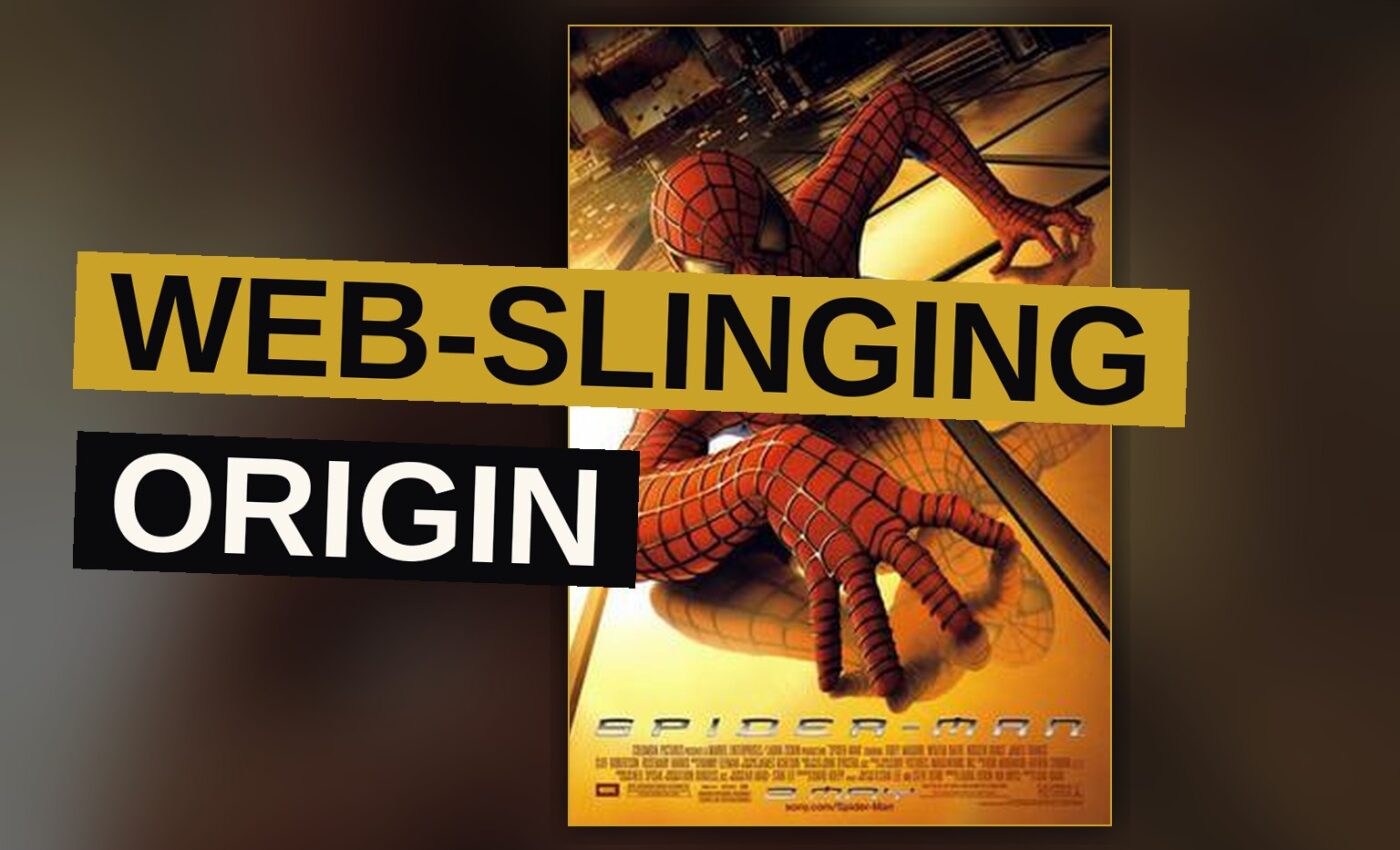
In 2002, “Spider-Man” swung onto screens and changed the rules for superhero movies. Before this film, the genre was often treated as a joke. Sam Raimi’s picture took the source material seriously, and the box office answered back. It is a blockbuster that still holds up, even as the superhero landscape has grown crowded and cynical.
Trailer, via Spider-Man.
Casting Peter Parker
Tobey Maguire is the right Peter Parker. He carries the awkwardness of a teenager who cannot catch a break. His Peter is a science nerd, a photographer, and a boy quietly in love with his neighbor. When the spider bite gives him powers, the film does not rush the transformation. It lets him discover his strength, his webs, and his limits.
Kirsten Dunst plays Mary Jane Watson, the girl next door who wants more from life. Their romance is clumsy and genuine, which fits the tone. Willem Dafoe’s Green Goblin is the real spectacle. He plays Norman Osborn with a manic energy that borders on camp, but he never tips over. His scenes are loud, theatrical, and always entertaining. The movie gives him a real arc, from a desperate businessman to a fractured villain.
Action, Heart, and the Green Goblin
The action sequences are dated in places, but the core of the film is its emotional weight. Uncle Ben’s death is the turning point. Peter learns that with great power comes great responsibility, and the movie earns that line. It is not just a slogan; it is the whole point of the story.
The practical effects and the early CGI have a rough charm. The web-swinging scenes feel thrilling, even when the digital background is obvious. Raimi’s direction keeps the camera moving, and the fight between Spider-Man and the Goblin on the bridge is still tense. The film understands that the mask is a burden, not just a costume.
The soundtrack is a time capsule. It features early 2000s rock and pop, which dates the film, but it also adds to the energy. The score by Danny Elfman gives the hero a proper theme. The movie balances spectacle with quiet moments, like Peter sitting on a rooftop, thinking about his choices.
Here is what makes the film work:
- A clear villain with a personal connection to the hero.
- A love story that drives the plot, not just a subplot.
- A hero who loses something real before he wins.
- A director who respects the comic book origins.
Legacy of the 2002 Film
“Spider-Man” set the template for what followed. It proved that a superhero film could be a serious drama, not just a children’s matinee. It also launched a franchise that would eventually stumble, but this first entry remains solid. The sequel, “Spider-Man 2,” is often called better, but this one deserves credit for laying the foundation.
The film has flaws. The dialogue is sometimes clunky. The Green Goblin’s costume looks like a Power Rangers reject. The pacing drags in the middle. But the emotion carries it through.
“With great power comes great responsibility.”
That line is delivered with sincerity, and the film never mocks it. That is why it works.
The movie also understands that Peter’s life is a mess. He is broke, he is failing at school, and his best friend’s father is trying to kill him. The superhero stuff is the escape, not the problem.
“Spider-Man” is not perfect, but it is honest. It tells a simple story with real stakes. It made audiences believe a man could fly on a web.
Final score: 7.4 out of 10. It is a strong start, a classic of its era, and a film that still entertains.