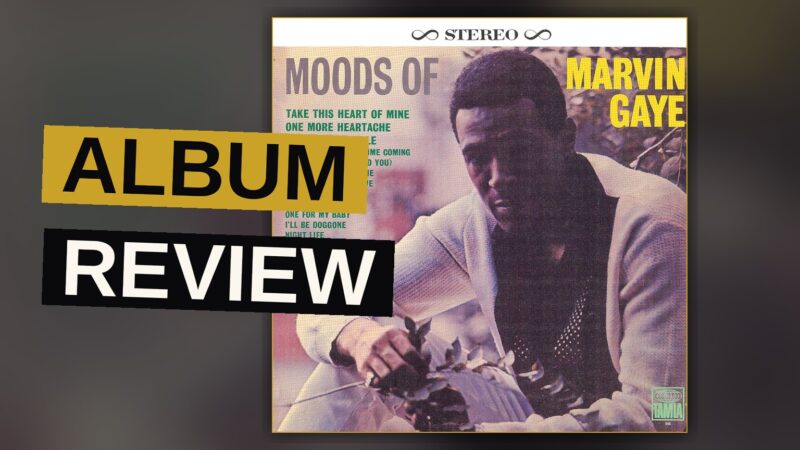
Album Reviews7/10
Sixty Years On, the 1966 Album Where a Motown Crooner First Sounds Like an Icon in the Making
Marvin Gaye's 1966 album Moods of Marvin Gaye marks his transformation from hit-maker to icon, with standout singles and bold covers.

Marvin Gaye's 1966 album Moods of Marvin Gaye marks his transformation from hit-maker to icon, with standout singles and bold covers.
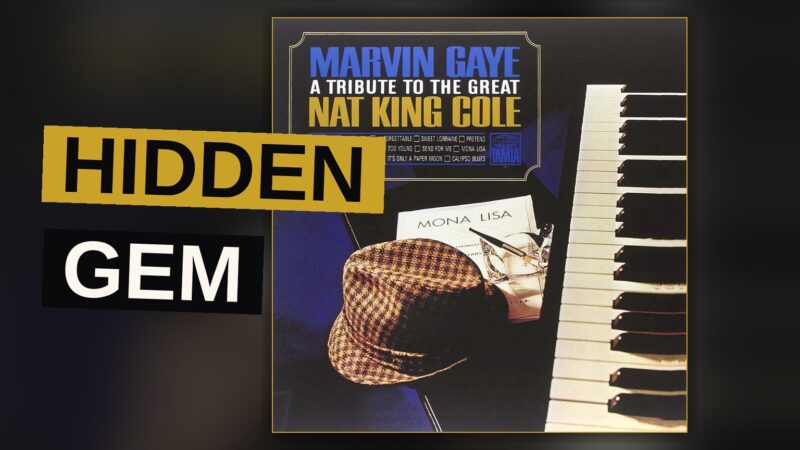
Marvin Gaye's 1965 tribute to Nat King Cole is a warm, overlooked gem. We review the album track by track and explain why it deserves a second listen.
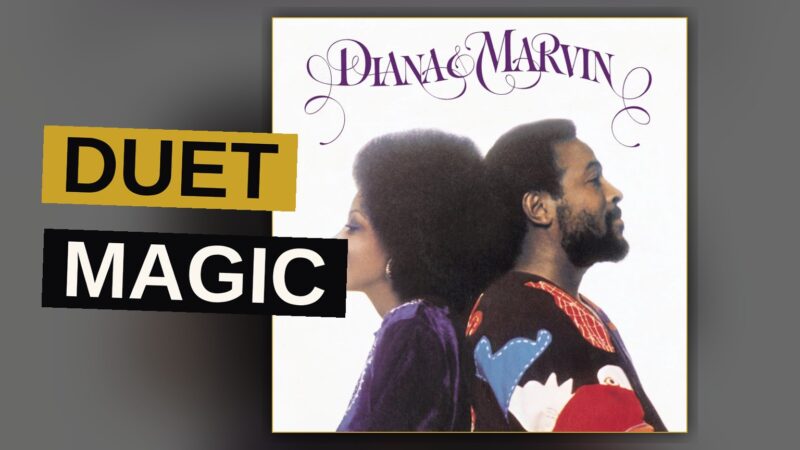
Diana Ross and Marvin Gaye's 1973 album pairs two legends for a 31-minute pop record built on undeniable chemistry, strong singles, and light romance.
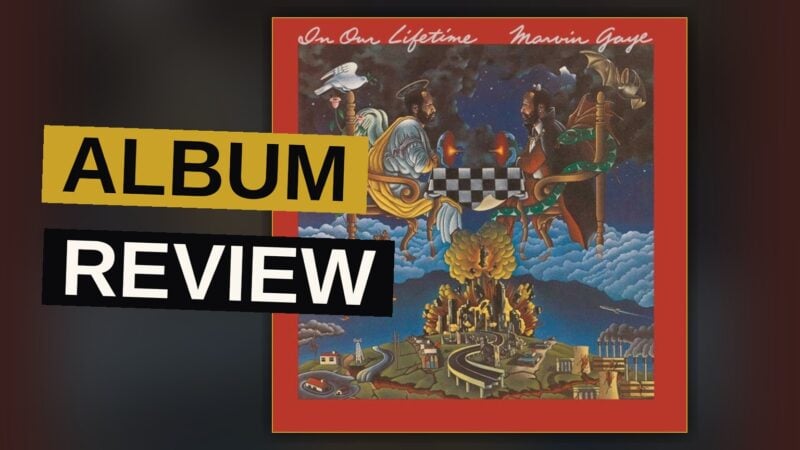
Marvin Gaye's 1981 album In Our Lifetime is a raw, fractured portrait of an artist at war with himself—messy, confrontational, and occasionally brilliant.
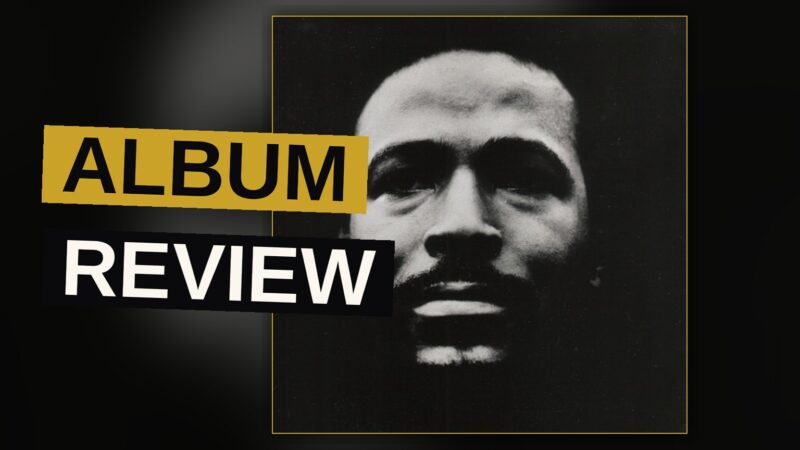
Marvin Gaye's posthumous album Vulnerable is a quiet, intimate portrait of the soul legend crooning standards with restraint and raw emotion.
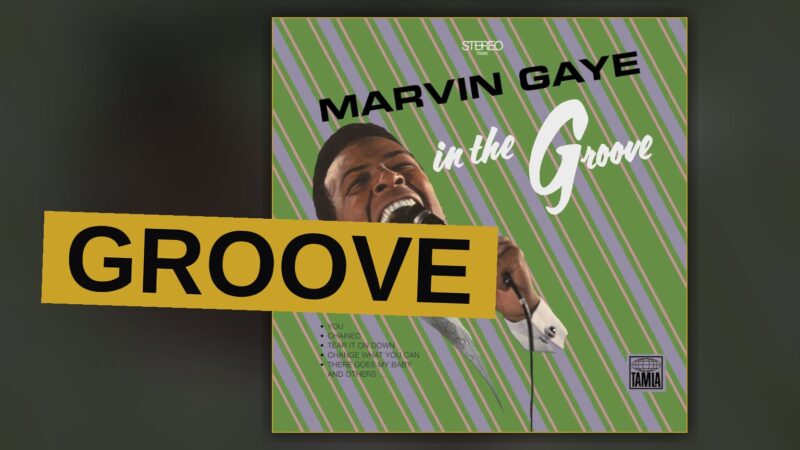
Marvin Gaye's 1968 album In the Groove is an uneven but thrilling set, anchored by the towering 'I Heard It Through the Grapevine' and his remarkable vocal range.
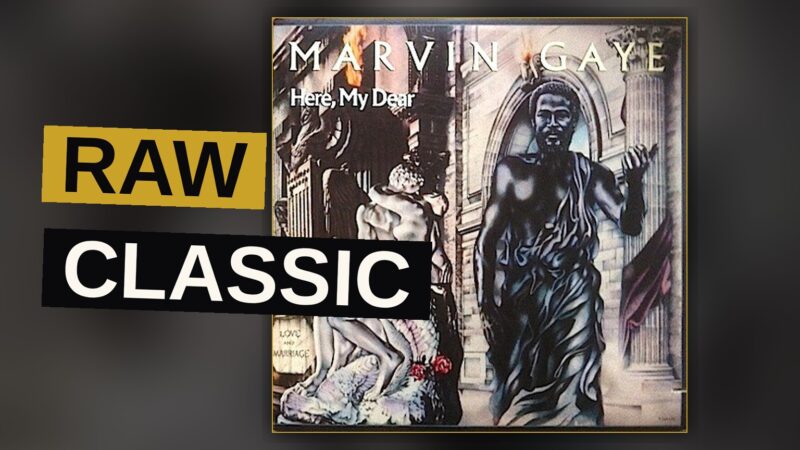
Marvin Gaye's 1978 divorce album Here, My Dear was a commercial flop, but now it's hailed as a raw, ambitious masterpiece. Our review explains why.
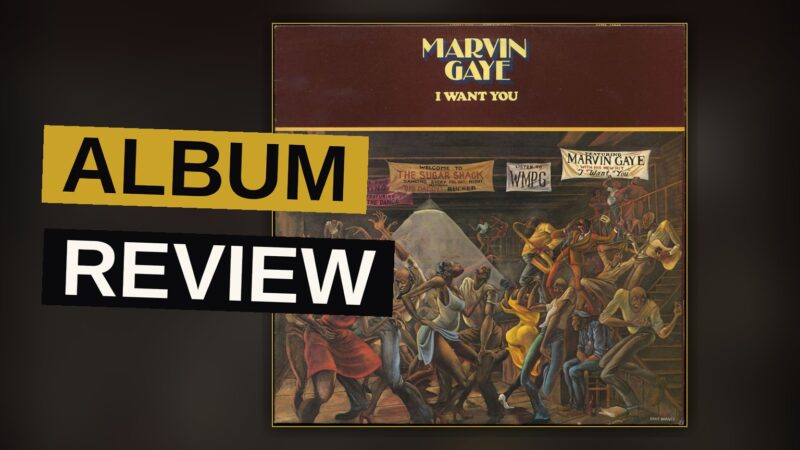
Marvin Gaye's 1976 album I Want You is a study in slow heat and intimacy, trading protest for personal longing in a tight 38-minute set.
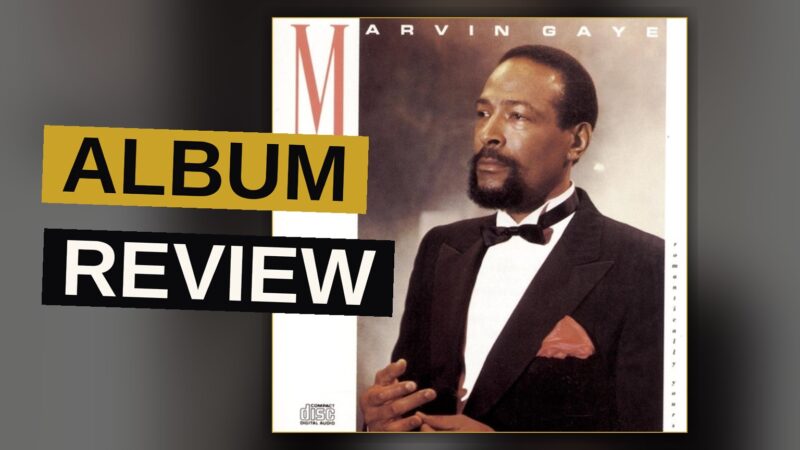
Marvin Gaye's posthumous 1985 album finds the soul legend softly interpreting standards, but the originals fall flat. A curiosity for fans, not a starting point.
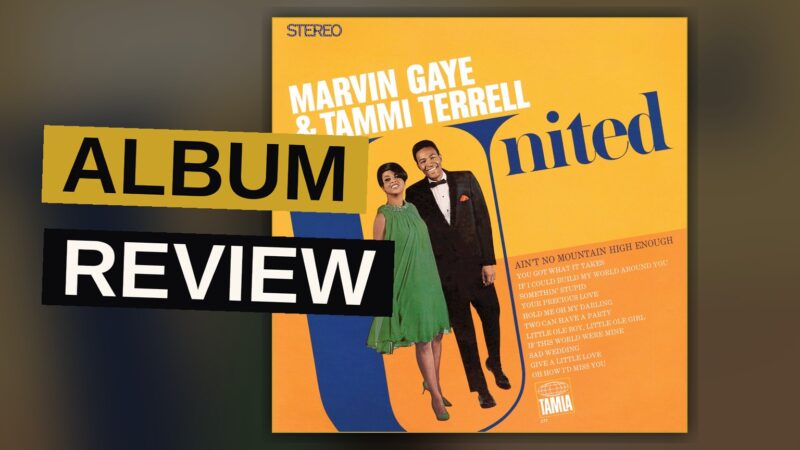
Marvin Gaye and Tammi Terrell's 1967 album United captures pure vocal chemistry, from the classic opener to hidden gem 'Two Can Have a Party.'
As an Amazon Associate, Clay Tribune earns from qualifying purchases.