Pokemon Puzzle League drops familiar faces from the Pokemon television show into a puzzle engine built for quick play. Players trade colored pieces, build chains, and force rivals to deal with rising piles of extra pieces. The idea sounds plain enough on paper. In practice it plays fast, exciting, and hard to walk away from.
The Cast and the Contest
The roster comes from the Pokemon anime rather than the main video games. The young trainer hero, his traveling companions, and a wide set of other trainers all appear as challengers, each shown in a portrait that reacts to every trade and every combo cleared. The scheming pair from Team Rocket shows up too, losing matches the way they lose their schemes on the show.
A story mode ties these matches together with short scenes between rounds. They run brief and light, meant more for a laugh than for any real story, but they give the ladder of matches a reason to exist beyond simple counting of wins.
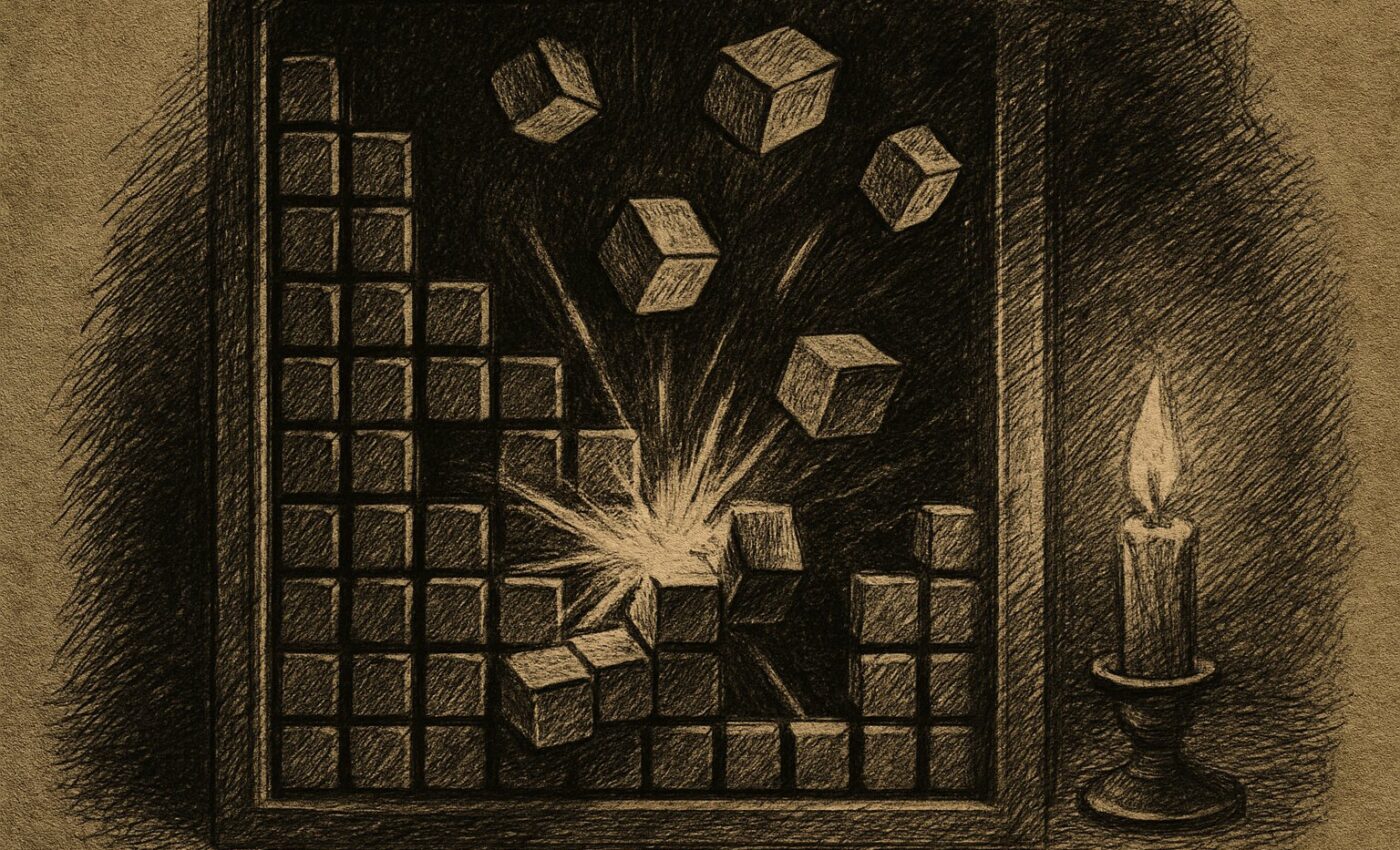
The puzzle rules will feel familiar to anyone who has played this kind of game before, where pieces drop and pile from above. Colored pieces fill a high grid. A player moves a marker between two pieces set side by side and trades their places, lining up three or more of the same color to clear them from the board.
Clearing pieces in the right order can drop other pieces into new matches above, and each new match in a row builds a chain. A long chain sends a wave of extra pieces to the rival’s side of the screen, and any extra pieces cleared in turn get sent right back.
The strength of the design sits in that fast pace. A calm match can turn difficult within seconds, and the game rarely lets either player settle into a steady rhythm for long.
What the Package Offers
The game is generous with modes for something built around one puzzle idea. The choices include:
- A story mode built around the television cast
- A mode where two players face each other directly
- A puzzle mode built from fixed piece arrangements to solve
- A timed mode for scoring runs alone
- Difficulty settings running from easy to punishing
That variety gives the game a longer life than a single trip through the story mode would suggest.
The music stays light and easy to sit through, built for long sessions of play without wearing on the ear. Voice sounds from the show and clear effect sounds cut through the action on screen without drawing attention away from play. None of the presentation reaches for spectacle. All of it serves the puzzle sitting at the center of the game.
Where the Game Comes Up Short
The single player’s ladder can end sooner than players wanting a long campaign alone might want. Some challengers rely more on cheap tricks than clever play, and that can frustrate more than it tests real skill. The look of the game does its job well enough but never reaches past what the puzzle idea needs.
None of that takes away from the core of the experience. The trading of pieces at the heart of Pokemon Puzzle League stays exciting match after match, and the mode built for two players facing off turns the whole thing into a real gathering point for friends passing a controller between them. Groups who sit down with this game for one match tend to still be playing an hour later.
Pokemon Puzzle League works because it never adds needless weight to a strong puzzle formula that already stood on its own before it took the Pokemon name. The television dressing gives it a hook for anyone who watches the show. The building of chains and the constant trading of extra pieces between players give it the staying power that keeps players at the console long after the first match ends.