PLAYERUNKNOWN’S BATTLEGROUNDS drops 100 players onto an island with nothing but the clothes they are wearing. You scavenge weapons, armor and supplies from buildings, then fight to be the last person alive. The play area shrinks constantly, forcing survivors into closer quarters. The result is a tension that no scripted campaign can match. It is messy, unpolished and often unfair. It is also one of the most compelling multiplayer experiences ever made.
Landing and Looting
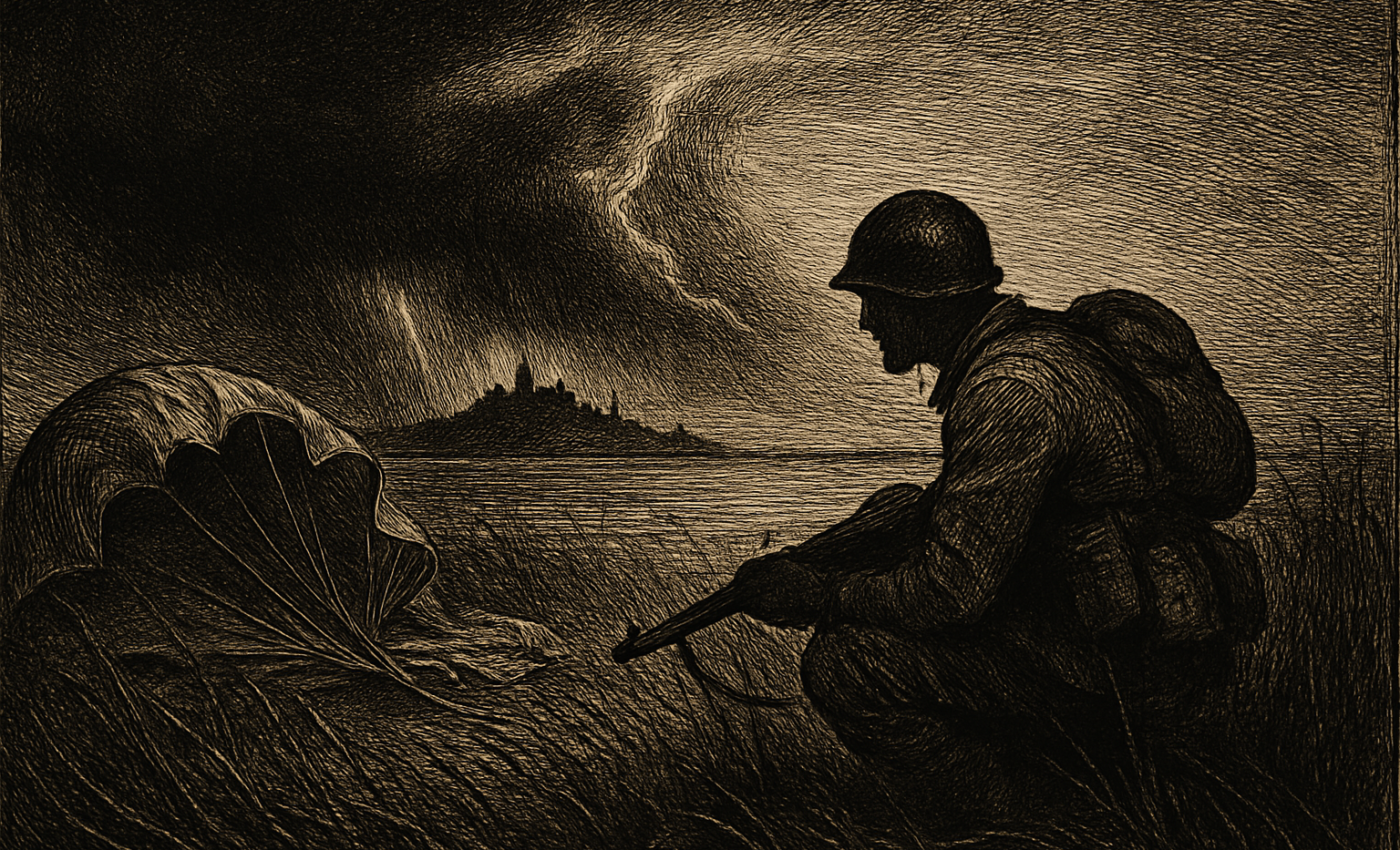
Every match begins with a plane ride across a map roughly eight kilometers wide. You jump when you choose, pulling your parachute to steer toward a cluster of buildings or a remote field. The choice matters. Hot zones like the military base or the school guarantee early combat. Quiet corners of the map let you loot in peace but leave you under-equipped for the final circles.
The loot system is straightforward. You find assault rifles, shotguns, sniper rifles and pistols, along with attachments like scopes, grips and stocks. Helmets and vests absorb damage. Medical supplies heal you. There is no crafting, no skill tree, no progression between matches. What you have is what you found in the last fifteen minutes. That simplicity is the point.
“The only goal is to be the last one standing.”
That quote comes from the game’s own description, and it captures the purity of the design. There are no objectives, no quests, no story. You land, you loot, you fight. The game does not care if you hide in a bathroom for twenty minutes or charge every gunshot you hear. Both approaches can win. Both approaches usually end in death.
The Shrinking Zone
The map shrinks on a timer. A blue circle closes in from the edges, and anyone caught outside it takes damage. The zone moves in stages, each one smaller and more punishing. Late in a match, the safe area can be the size of a single compound. Positioning becomes everything.
This mechanic does the heavy lifting. It forces engagement without ever telling you to fight. You can avoid enemies for most of a match, but the circle will always push you toward them. It creates a constant clock that turns every decision into a trade-off. Do you sprint across an open field to beat the zone, or risk the blue wall to stay in cover? Do you shoot at the player you spotted, giving away your position, or let them pass?
The final circles are where the game earns its reputation. With ten or fewer players left, the safe area can be a patch of grass. Every sound is a clue. Every bush could hide a rifle. The last moments often come down to who moved first, or who moved at all. It is nerve-wracking in a way that few games manage.
Audio as a Weapon
Sound is the real tool. Footsteps on wood, the crack of a distant shot, the rustle of grass as someone crawls — all of it matters. The game rewards players who listen. A player who hears an enemy reloading has a window. A player who fires without checking their surroundings invites a third party to finish them.
The sound design is not glamorous. It is functional and precise. Gunfire has weight. Vehicles rumble. The wind howls when you are alone in a field. The game does not score your kills or celebrate your victories with fanfare. The silence after a fight is its own reward.
This creates a unique social dynamic. Players often use voice chat, and the game does not restrict it. You can negotiate with strangers, form temporary alliances, or simply taunt the person you just shot. The stories players tell about these matches are as important as the matches themselves. The game is a machine for generating anecdotes.
Rough Edges and Technical Faults
It would be dishonest to ignore the flaws. PLAYERUNKNOWN’S BATTLEGROUNDS launched in early access in March 2017 and stayed rough for a long time. Frame rates drop in built-up areas. Buildings sometimes fail to load their textures. Servers can lag. The inventory interface is clunky. You will die to bugs, to desync, to a car that clips through a wall and explodes.
The Xbox One version was particularly rough at launch. The PS4 release came later and ran better, but neither console version matched the PC experience. The game asks a lot of your hardware and your patience. It is a game you love in spite of its problems, not because of them.
Still, the core loop survives the jank. When the game works, it works brilliantly. When it does not, you shrug, hit the deploy button and try again. The matchmaking is fast. The downtime between deaths is short. The next match is always one click away, and that is the trap.
Genre Legacy
PLAYERUNKNOWN’S BATTLEGROUNDS did not invent the battle royale genre. The modding community had been experimenting with similar ideas for years. But this game popularized it. Its success spawned a wave of imitators, including Fortnite, which took the formula and made it free-to-play. The genre is now a staple of the industry, and this game is the reason.
The developer, PUBG Corporation, continued to update the game after release. New maps, new weapons and new vehicles arrived over time. The core formula stayed the same. That consistency is a strength. The game knows what it is and does not apologize.
The competitive scene grew quickly. Tournaments and leagues formed. The game became a spectator sport, with casters narrating the tension of each circle. It is easy to watch and harder to play than it looks. The skill ceiling is enormous. A player with 1,000 hours will read the map and the audio in ways a newcomer cannot.
Final Circle
PLAYERUNKNOWN’S BATTLEGROUNDS is not a polished masterpiece. It is a raw, demanding, occasionally infuriating game that rewards patience, awareness and nerve. Its graphics are dated. Its interface is ugly. Its performance is inconsistent. None of that matters when you are in the final circle with three players left.
The game delivers a feeling that no other title quite replicates. It is fear, excitement and relief all at once. It is the sound of your own heartbeat over the wind. It is the knowledge that one mistake ends everything. It is the purest expression of the survival instinct in digital form.
- 100 players per match
- Shrinking play zone
- No respawns
- Last one standing wins
The list is simple. The execution is anything but. Every match is a new story, a new set of decisions, a new way to die. The game respects your time by making every moment count. It does not hold your hand. It does not explain itself. It drops you on an island and lets you figure it out.
The game is still played by millions of people years after its release. That longevity is earned. It is not a game you finish. It is a game you return to, night after night, chasing a win that never gets old.
The score is 8.6 out of 10.
Get the Notebook.
The day's best stories and every fresh verdict, in plain English, in your inbox by seven. One email a day, no more.