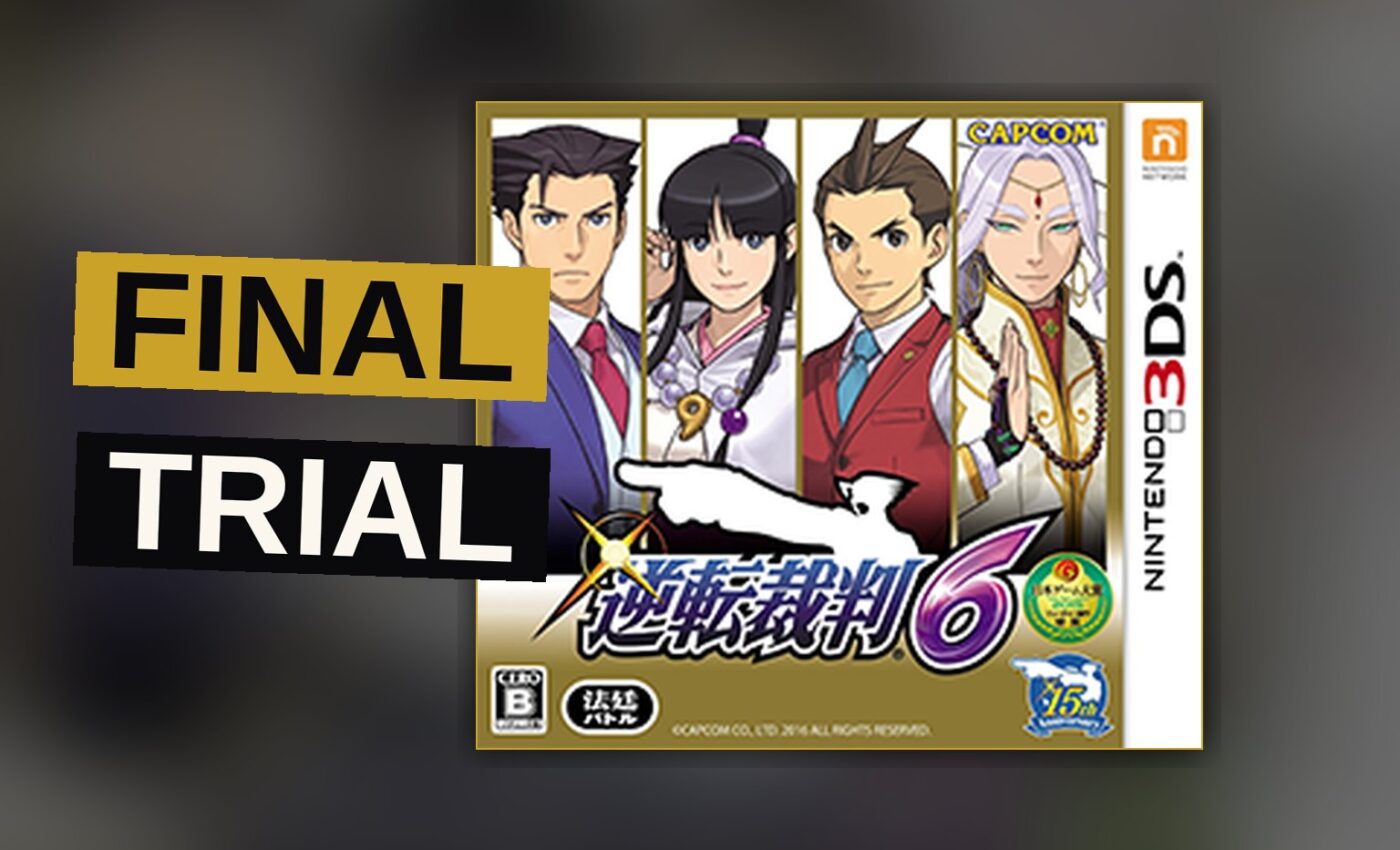
Phoenix Wright: Ace Attorney – Spirit of Justice closes out the series’ seventh generation with a trial that asks more of the player than any case before it. The game, released for 3DS, Android and iOS in 2016, hands players a case that spans two continents and a legal system built around public debate rather than a single judge’s verdict. It is a bold experiment, and mostly it lands.
The Case That Crosses Two Continents
The core case sends Wright and his team from their home nation to a distant land where trials happen in open forums rather than closed chambers. This shift changes how evidence is presented and how arguments are made. Players move between examining witnesses, questioning them, and presenting evidence in a public setting where the crowd’s reaction can matter as much as the testimony itself.
The structure asks players to manage a larger cast of characters than usual. Witnesses speak in fragments, and the game expects players to piece together what happened across multiple sessions. It is demanding, but it also rewards patience. Once the pieces fall into place, the payoff is one of the strongest cases the series has ever put forward.
Where the Touch Screen Still Matters
The 3DS version uses the touch screen to let players examine witness statements line by line, a feature that carries over from earlier games in the series. On Android and iOS, the game drops the stylus and moves everything to touch controls, which works well enough but loses some of the physical feedback that defined earlier entries. Both versions share the same case files, the same puzzles, and the same final trial.
The Trial System Gets a New Layer
The public forum system changes how the trial unfolds. Instead of arguing directly with a judge, Wright argues in front of a crowd, and the game tracks how the audience responds to each piece of evidence. This adds a layer of pressure that feels new even for longtime fans. It also means the game asks players to think about presentation as much as logic, since a well-timed objection can sway the crowd even when the evidence itself is weak.
| Feature | 3DS Version | Android/iOS Versions |
|---|---|---|
| Control Scheme | Stylus and touch screen | Touch screen only |
| Case Files | Same | Same |
| Trial Format | Public forum with crowd reactions | Public forum with crowd reactions |
What Holds the Game Back
Not everything lands. Some of the side cases feel thin compared to the main investigation, and a few of the supporting characters are less memorable than those in previous games. The mobile versions also suffer from small text and cramped menus, which can make extended sessions difficult on smaller screens.
The game’s difficulty curve is uneven. Some cases reward careful note-taking and repeated attempts, while others can be solved almost instantly once the player understands the pattern. This inconsistency can frustrate players who expect a steady challenge throughout.
Final Trial and Its Payoff
The final trial brings everything together. The public forum format reaches its peak as the case comes down to its conclusion, and the game’s central twist ties back to themes introduced early in the story. It is a satisfying resolution to a case that has been building for the entire game.
A Solid Case, With Room to Improve
Phoenix Wright: Ace Attorney – Spirit of Justice is a strong entry in a series that has rarely disappointed. Its public forum trial system is a genuine innovation, and the final case delivers a twist that ranks among the best in the genre. The mobile versions, while convenient, lack the physical feedback that made earlier games special.
- The public forum trial system is the game’s biggest strength.
- The final case offers a satisfying twist.
- The side cases and some supporting characters feel thinner than expected.
- The mobile versions lose the stylus but keep the core gameplay intact.
The game earns its place as a standout entry in the series. It pushes the formula forward without losing what made it work in the first place.
Get the Notebook.
The day's best stories and every fresh verdict, in plain English, in your inbox by seven. One email a day, no more.