
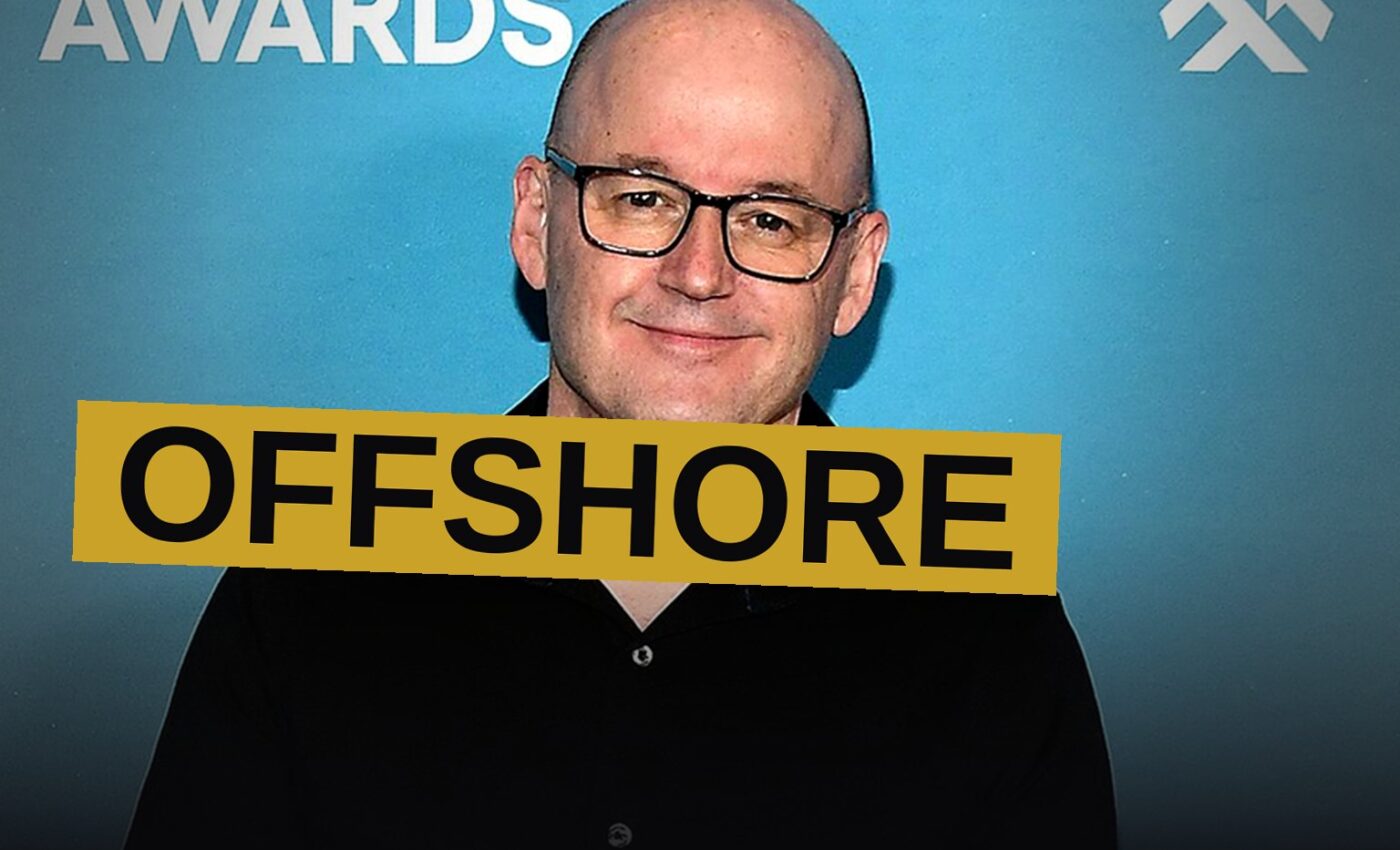
Saber Interactive’s chief creative officer has admitted the company no longer develops games in North America, telling GamesIndustry.biz that production has moved overseas entirely. Tim Willits, Saber’s CCO, said during a Gamescom interview that the company has “no real development in North America anymore,” with only publishing operations left in the region. Game development now happens across a host of global subsidiaries.
“We are not afraid of any territories,” Willits said. “Some publishers are afraid to work in territories they don’t understand, but we’re like, let’s go, let’s find some people that are talented, let’s give them what they need, and let’s make awesomeness. You don’t need to be in California to be a brilliant programmer or artist or animator.”
The move is driven by simple economics. Willits pointed to the “wasted money” he sees in many triple-A games, comparing an unspecified recent release with Saber’s own Space Marine 2. “It was a third [of the cost], and it sold 11 million more copies,” he boasted.
The Cost Gap
Willits laid out the math behind the shift. “Big North American development studios, they run about $2 million+ in burn rate a month. A month,” he said. He used SnowRunner, which has made hundreds of millions of dollars, as a counterexample. “That’s literally three months of development time in California. So just run the math on that. If it takes [a big studio] five years to make a game, that’s 60 months, that’s $120 million just in salaries.”
GI.biz describes Saber as having development offices in Serbia, Armenia, Georgia, Spain, Portugal, Sweden, Argentina, and Australia. The pattern is consistent: lower-wage markets hosting the actual work.
What He Was Comparing
The exact rival release Willits referenced remains unconfirmed. According to the source’s guesses, the games in question are Halo: Campaign Evolved or Marathon, both North American triple-As with sales publicly reported at one million units, compared to Space Marine 2‘s 12 million. Budgets for those two titles are “well in excess of the 40K shooter’s,” though hard figures are difficult to pin down.
Willits framed the comparison as proof of his point. A smaller budget, he claimed, produced a bigger hit.
The Crisis Diagnosis
Willits also addressed the broader industry problem. He diagnosed “overspecialization” among developers as a contributor to the ongoing crisis, though he argued the crisis is not quite as bad as it is being reported.
His solution is to keep moving. “We’re like, let’s go, let’s find some people that are talented,” he said. The logic is straightforward: talent exists everywhere, and wages vary dramatically by country.
The Numbers
- Space Marine 2: Sold 12 million copies
- Unnamed rival: Sales publicly reported at one million units
- SnowRunner: Made hundreds of millions, costs $6 million to make
- Big studio burn rate: $2 million+ per month
- Five-year studio timeline: 60 months, $120 million in salaries
What This Means
Saber’s approach is not new. Offshoring has been a common strategy in games, and Willits is unusually explicit about it. His boast about Space Marine 2 selling 11 million more copies than the unnamed rival is a bold claim, and it rests entirely on his own figures.
The wider point is harder to dispute. Willits is describing a structural problem in triple-A development: the cost of living in California, New York, or other major cities is so high that even successful games become financial burdens. His answer is to look elsewhere.
Saber’s bet is that global talent is evenly distributed, and that the internet removes friction.
Get the Notebook.
The day's best stories and every fresh verdict, in plain English, in your inbox by seven. One email a day, no more.