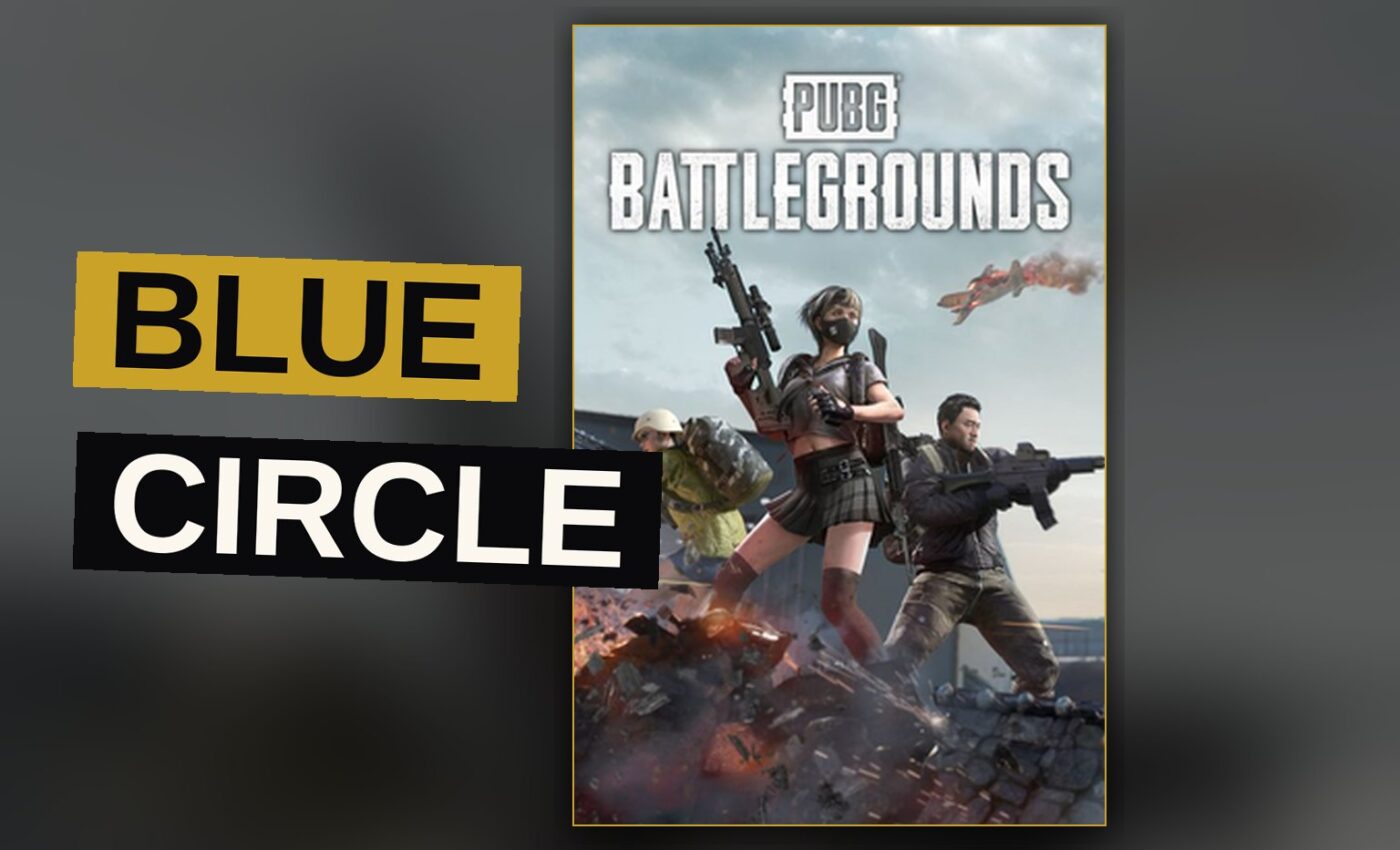
PUBG: Battlegrounds is the game that turned a blue circle into a cultural phenomenon. Released in 2017 for PC and later brought to PS4, Xbox One, and now Stadia and Series X|S, it is a battle royale that started a trend and then spent years trying to live up to it. The game remains a solid, tense experience, even if its best moments belong to the past.
Trailer, via IGDBcom.
The Blue Circle
The core loop is simple. One hundred players drop onto a large island, fight each other, and survive waves of shrinking safe zones until one person or team remains. That simplicity is the game’s strength. There is no grinding, no main quest, no tutorial beyond a few minutes of basic instruction. You are dropped, you loot, you fight, you die, and you try again.
The map, Erangel, is vast. It rewards patience and exploration while punishing carelessness. A player who rushes into the middle of the map to grab the best loot often dies within the first five minutes. A player who stays low, gathers supplies, and waits for the final showdown tends to last longer. The balance between risk and reward is the heart of PUBG: Battlegrounds.
Loot and Weapons
The weapons are varied and balanced. Rifles, shotguns, pistols, and sniper rifles all have distinct roles, and the game’s ballistics model rewards players who understand recoil, spread, and bullet drop. A skilled player can hold their own with almost any weapon, though the M416 and the AWM remain the favorites.
Loot spawns are random, which keeps every match fresh. Finding a full set of gear, a rare gun, or a chest full of medical supplies can change a match entirely. The game also includes vehicles, which add a layer of chaos. Cars, motorcycles, and boats let players move fast across the map, but they also make you a target for anyone who sees you moving.
The Shrink
The blue circle, known as the “shrink,” is the game’s defining mechanic. It forces players to make constant decisions about position, movement, and timing. Stay too far back and you lose health. Move too fast and you draw fire. The tension is relentless.
The zone system has been copied by nearly every battle royale game since, but PUBG: Battlegrounds still executes it better than most. The shrink moves at a steady pace, giving players time to plan but not too much. It also creates choke points, forcing players into narrow corridors where fights inevitably break out.
The Sound of Silence
PUBG: Battlegrounds is a quiet game. The sound design is minimal, with footsteps, gunfire, and engine noise doing most of the work. This creates a sense of presence that many games struggle to achieve. You hear an enemy before you see them, and the sound of footsteps can reveal a player’s location even when they are hidden.
The game also uses a ping system, allowing players to mark locations for teammates. This is a small feature, but it transforms the way you communicate during a match. Instead of typing “I’m over here,” you simply mark the spot. It is a simple idea that makes teamwork smoother.
Performance and Frame Rate
On PC, PUBG: Battlegrounds runs at a high frame rate for players with strong hardware. On console, the performance drops, especially during the early stages of a match when the map is densely populated. The game has received numerous updates over the years, and it now runs more smoothly than it did at launch.
The recent versions for Series X|S and Stadia have improved the situation. The game runs at a stable frame rate on both platforms, which makes the matches feel more responsive. The load times are shorter, and the menus are cleaner. These updates have made the game more accessible to players who previously avoided it due to technical issues.
The Long Road
PUBG: Battlegrounds has aged. The game launched in 2017, and the industry has moved on. The battle royale format is now crowded, with competitors offering more polish, more features, and more spectacle. PUBG: Battlegrounds feels like a relic in some ways, a game that started the trend but has not kept up with it.
The game lacks a ranked mode, a competitive ladder, or a dedicated esports scene. It has a community, but it is not the same as the organized, tournament-driven scene that surrounds other battle royale titles. This is a matter of design philosophy, not a flaw, but it means the game appeals more to casual players than to serious competitors.
The Final Match
The final match of a PUBG: Battlegrounds session is always tense. With the zone down to its smallest size, players are packed into a small area, and every shot matters. The game’s cover system allows you to hide behind objects, but it is not perfect. A skilled player can often find a position that offers protection while still giving them a clear field of fire.
The last fight is where the game shines. The tension builds, the stakes are high, and the outcome is rarely predictable. It is the reason people keep coming back, even when the rest of the match feels routine.
A Solid, Not Spectacular, Experience
PUBG: Battlegrounds is a good game, but it is not a great one. It is the game that started the battle royale genre, and it remains a solid entry in the category. The gameplay is deep, the mechanics are well-balanced, and the matches are consistently tense.
But it is also a game that shows its age. The lack of a competitive mode, the dated presentation, and the occasional technical issue keep it from being a standout. It is a game you play because you want to, not because you have to.
Key Facts Box
- Title: PUBG: Battlegrounds
- Release Year: 2017 (PC), later PS4, Xbox One, Stadia, Series X|S
- Platforms: PC, PS4, Xbox One, Stadia, Series X|S
- Genre: Battle royale
- Developer: PUBG Corporation
- Critical Score: 7.5/10
The game remains a solid, tense experience, even if its best moments belong to the past. The final match, with its packed zone and its final showdown, is where PUBG: Battlegrounds earns its reputation. Everything else is support.