Adr1ft strands you in orbit with a leaking suit and no memory, and that is the whole pitch. Three One Zero built a first-person game about an astronaut who wakes among the wreckage of a destroyed space station. Everyone else on board is dead. Your EVA suit is badly damaged. The oxygen is running out.
Trailer, via GameNews PlayStation.
A Space Station Full of Wreckage
The setup is spare and effective. You are the only survivor. You do not know what destroyed the station or why the crew is gone. The game hands you a single job: stay alive long enough to understand what happened.
That job breaks into two parts. You explore the wreckage for resources. You repair a damaged EEV so you can get home. The environment does not help. Adr1ft calls it unforgiving, and the oxygen timer makes that literal. Every move costs you something.
The story unfolds through the station itself. There is no one left to talk to. What you learn about the catastrophe comes from what you find floating around you.
First Person, and Then Virtual Reality
Adr1ft is built as an immersive first-person experience. The camera sits in the helmet. The perspective is the point, not a default.
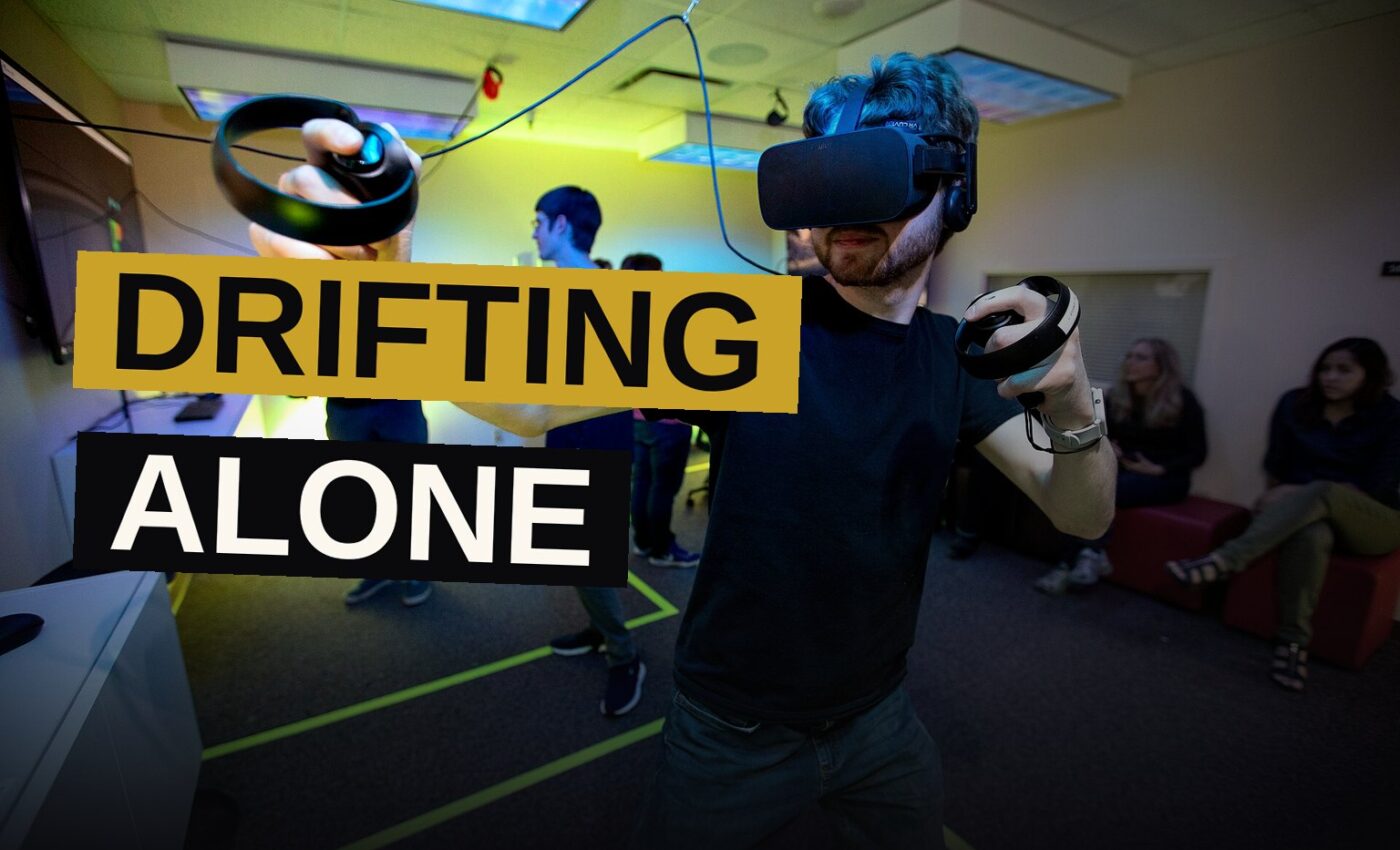
The game shipped across a wide spread of hardware. It came to PlayStation 4, PC, and Xbox One. It also came to PlayStation VR, SteamVR, and Oculus Rift. That is an unusual reach for a 2016 indie release, and it tells you where Three One Zero thought the game belonged.
Virtual reality is not a bonus mode here. Floating through a dead station with limited air is exactly the kind of slow, claustrophobic movement VR handles well. On a flat screen, the same scenes read as quieter and less urgent.
What the Suit Does to You
The oxygen leak is the engine of the whole game. It turns exploration into a negotiation. You can drift toward a distant piece of wreckage, but the suit is counting the cost the entire way.
That design choice does two things at once. It gives the empty station a pulse. It also means the game is always asking you to leave something behind.
The trade-off is that Adr1ft can feel thin. Puzzle, adventure and indie are the labels attached to it, and the puzzle work is not the reason to play. The reason to play is the pressure. When the suit is the antagonist, the station becomes a map of bad options.
The Comparison Table
| Element | Adr1ft’s approach | What it means in play |
|---|---|---|
| Perspective | First person, with VR support | You are inside the helmet, not watching from outside |
| Core threat | A damaged EVA suit leaking oxygen | Time is the resource you spend on everything |
| Setting | A destroyed space station | The story is told through wreckage, not dialogue |
| Goal | Repair the EEV and return home | Survival and escape are the same task |
| Modes | Single player | No one is coming to help you |
The table is not decoration. It shows how tightly the game’s parts are bolted together. One threat, one setting, one goal. Adr1ft does not spread itself across systems it cannot support.
Where the Silence Works
The best thing Adr1ft does is refuse to explain itself early. You wake up with no memory. The game does not hand you a log entry that fills in the blanks. You have to go find out.
That is a real choice, and it pays off in the first hours. The station is a puzzle made of absence. The crew is gone. The cause is missing. Your job is to close the gap before your air does.
The worst thing Adr1ft does is let that silence run too long without giving you enough to hold. Exploration for resources is a loop, and loops wear down. Once you understand the rhythm of the suit, the station stops surprising you.
A 6.8 Out of 10, and Why
Adr1ft earned a 6.8 out of 10 across 11 outlets, according to the IGDB critic aggregate. That number is fair, and it is fair for a specific reason.
The game’s central idea is strong. A first-person survival story set in the wreckage of a space station, told without a single living character to talk to, is a clean concept. The oxygen leak gives it a spine. VR gives it a body.
What holds Adr1ft at 6.8 is everything around that idea. The puzzle and adventure labels promise more variety than the game delivers. The resource loop is the whole game, and it is a narrow one. Once the suit stops being frightening, the station becomes a corridor with a timer.
The platform spread is worth noting. Adr1ft arrived on PlayStation 4, PC and Xbox One, plus PlayStation VR, SteamVR and Oculus Rift. That is a lot of places to be, and it suggests a game built to be seen rather than a game built to be replayed. The VR versions are the ones that matter. The flat versions are the same game with less of its best tool.
Adr1ft is not a failure. It is a tight, moody, single-idea game that executes its idea and then runs out of road. The astronaut in peril is a good character. The station is a good place. The suit is a good clock. What the game never solves is what to do once you have seen all three.
Get the Notebook.
The day's best stories and every fresh verdict, in plain English, in your inbox by seven. One email a day, no more.