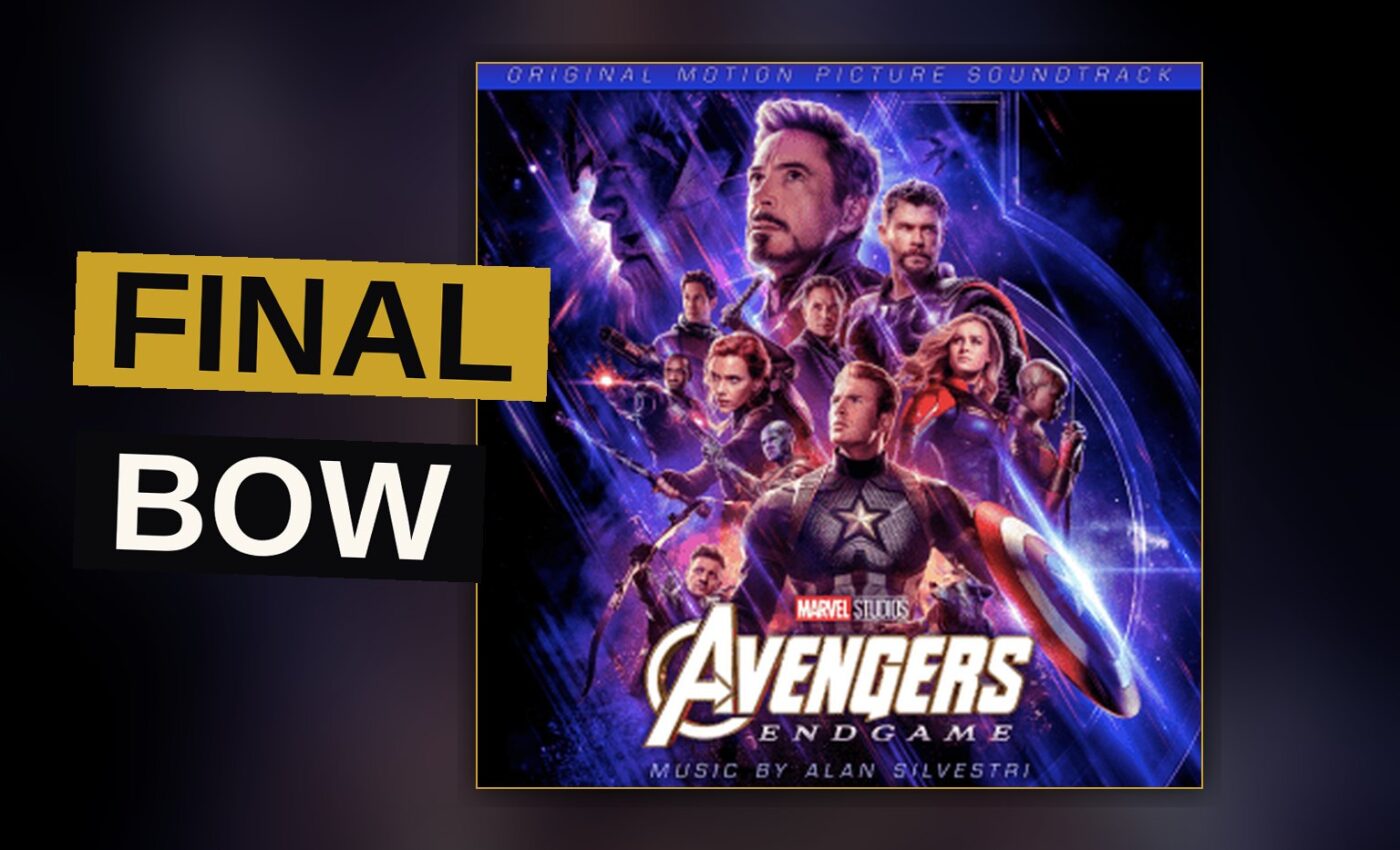
Avengers: Endgame is not a movie. It is a monument.
It is the end of an eleven-year, twenty-two-film story that began with a post-credits scene in 2008. It is one of the most expensive films ever made. It ranks among the highest-grossing films in history. And it is, against all odds, a coherent, emotional, and frequently thrilling piece of blockbuster filmmaking.
Directors Anthony and Joe Russo have made a film that is both a victory lap and a funeral.
Trailer, via Marvel Entertainment.
Aftermath of the Snap
The film opens in the immediate aftermath of Infinity War. Thanos has won. Half of all life is dust. The remaining Avengers are broken, scattered, and lost. Tony Stark (Robert Downey Jr.) is adrift in space, recording a goodbye message to Pepper Potts. Steve Rogers (Chris Evans) is leading a support group where he fails to say “move on” without choking.
This is not a typical Marvel opening. There is no quip. There is no fight. There is only silence and ash. The first hour of Endgame is a study in defeat, and it is the best hour the MCU has ever produced.
The film understands that loss is not a plot point. It is a condition. Each hero processes it differently, and the script, credited to Christopher Markus and Stephen McFeely, gives each actor room to work.
The Time Heist’s Rules
The solution is a time travel heist. The Avengers split into teams to retrieve the Infinity Stones from moments in their own past. This is where the film becomes a greatest-hits tour, revisiting The Avengers, Thor: The Dark World, and Guardians of the Galaxy.
The logistics are famously loose. The rules are explained in a single line about “the quantum realm” and then mostly ignored. The film does not care about paradoxes. It cares about moments.
Those moments land. Thor (Chris Hemsworth) talks to his dead mother. Tony Stark talks to his living father. Steve Rogers sees Peggy Carter through a window and stops.
Battle of Earth
The third act features every living Marvel hero on screen at once. The film builds to a single, iconic line — “I am Iron Man” — and delivers a payoff that feels earned.
The action is clear. The sound is deafening. The stakes are legible.
But the film’s true power is quieter. It is in the small gestures between the explosions. A hand on a shoulder. A shared look. A funeral at a lake. Endgame knows that endings are not loud. They are final.
The battle runs on a precise internal clock:
| Phase | Action | Key Beat |
|---|---|---|
| Opening | Thanos destroys the Avengers’ compound | The team reunites |
| Mid-battle | Captain Marvel destroys Thanos’s ship | The cavalry arrives |
| Climax | Tony Stark snaps the Stones | “I am Iron Man” |
| Coda | The funeral at the lake | Steve Rogers stays in the past |
Flaws and All
The film is not perfect. The middle section drags. The Hulk’s arc is resolved off-screen. Captain Marvel is underused. The time travel logic is a sieve.
But these are complaints about a film trying to do everything at once. Endgame is a conclusion, a celebration, and a goodbye. It asks its audience to care about characters they have known for a decade, and it succeeds because it has earned that care.
The performances are uniformly strong. Downey Jr. and Evans anchor the film with the weight of men who know they are leaving. Hemsworth finds comedy in despair. Karen Gillan’s Nebula gets the film’s most painful arc.
What Works, What Doesn’t
- The script balances comedy and tragedy with unusual skill
- The final battle is a landmark of visual effects
- The emotional payoffs are earned over eleven years of setup
- The middle act is overstuffed and occasionally sluggish
- The time travel rules are hand-waved to a fault
It is not a perfect film, but it is a perfect conclusion. It honors its past, pays its debts, and closes the book on an era.
8.2 out of 10.