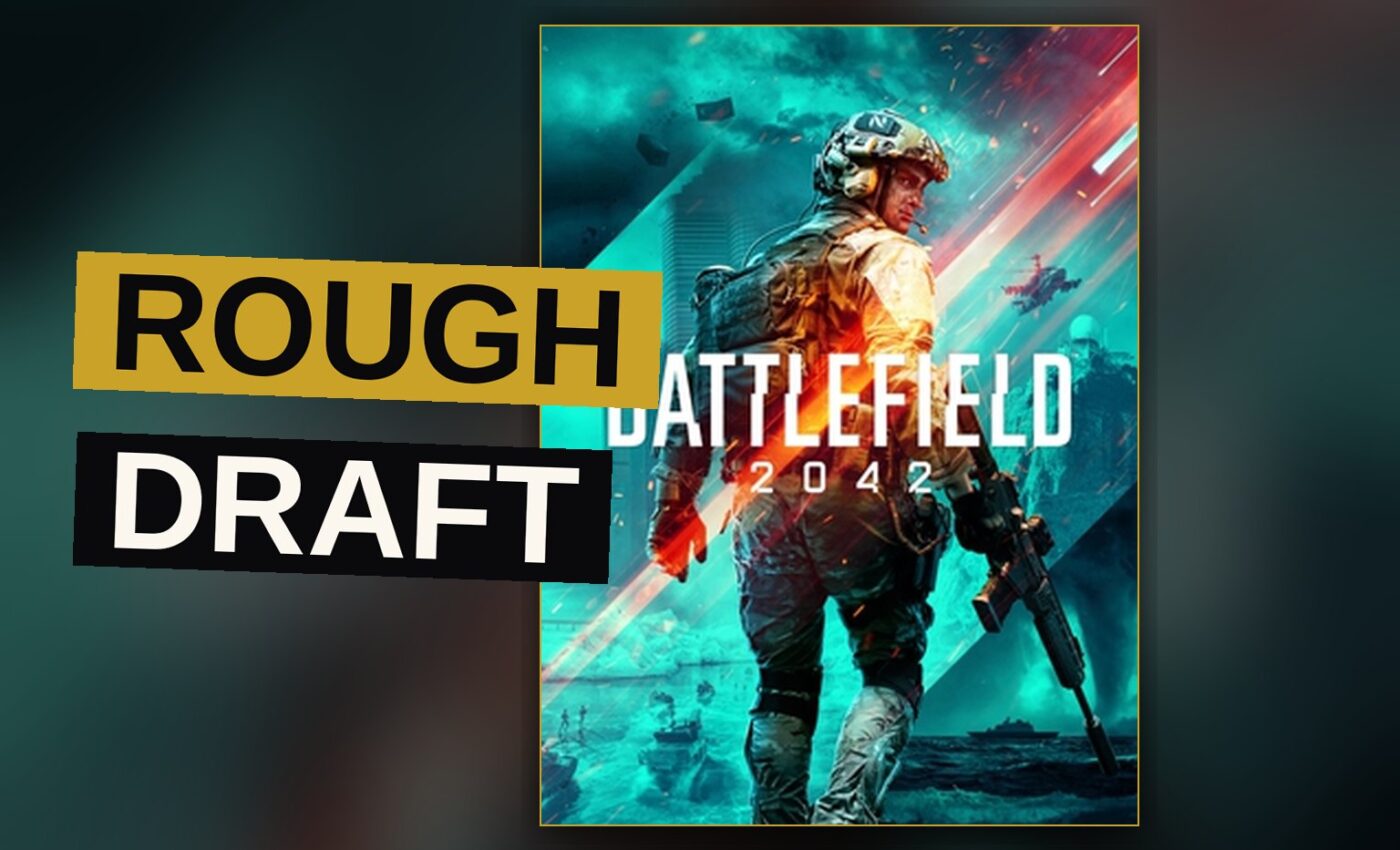
Battlefield 2042 arrived with a promise: a vast, chaotic multiplayer shooter set on the battlefields of a near-future war. It delivered on the scale, but the execution stumbled badly. This is a game of extremes — moments of genuine spectacle, followed by stretches of technical frustration.
The game’s setting is a global conflict between the United States and China, with factions fighting across maps built around real-world locations. That scope is ambitious, and it mostly pays off visually. The maps are large, varied, and packed with vehicles, structures, and playable specialists.
Trailer, via XBOX.
Specialists And The New Classes
Each player picks one of six specialists, each with their own unique abilities. Some can repair vehicles, others deploy drones, and some can revive teammates mid-fight. That variety is refreshing, and it adds depth to matches beyond simple gunplay.
But the system is also the game’s biggest problem. Specialist abilities are powerful, and they can break matches if used improperly. Players who don’t understand the rules of engagement can accidentally ruin a coordinated push.
The Loadout System
Weapons and equipment are tied to a loadout system that lets you customize your gear before each match. It’s a welcome addition, giving players more control over their experience. The sheer number of options can feel overwhelming at first, but it rewards patience.
The Vehicle Combat
Vehicle combat remains the highlight of Battlefield 2042. Tanks, helicopters, and jets all handle differently, and learning their strengths takes time. The sense of speed and power in a jet is particularly satisfying, even if the controls sometimes feel loose.
The Server Problems
The game’s biggest issue is its online infrastructure. Downtime, matchmaking issues, and server instability plagued launch day. Players were frequently kicked from matches, left hanging on loading screens, or forced to wait hours for a game to start.
These problems persisted well past the initial release window. The community’s patience ran thin quickly.
The Technical Issues
Beyond the servers, there were other technical hiccups. Frame drops, pop-in, and visual glitches marred matches. These issues weren’t consistent across all platforms, but they were frequent enough to disrupt any flow.
The Campaign Mode
The single-player campaign exists, but it feels like an afterthought. It’s short, linear, and largely forgettable compared to the multiplayer chaos. Few players return to it once they’ve tried the main draw.
The Good Moments
Despite everything, Battlefield 2042 delivers some truly memorable matches. When the servers hold together and the specialist abilities sync properly, the chaos can be exhilarating. A coordinated team working together, backed by a tank or a jet, can feel like a victory nobody expected.
The Verdict
Battlefield 2042 is a game with a vision that exceeds its grasp. The ideas behind it are sound — a massive battlefield, a deep specialist system, and a vehicle-heavy arsenal — but the execution falls short. The server issues, combined with the specialist balance problems, make it a frustrating experience for anyone looking for a smooth multiplayer session.
Here’s how the pieces rank:
- Vehicle combat — the best part of the game.
- Specialist classes — promising, but unbalanced.
- Loadout system — solid, but complicated.
- Campaign mode — a minor annoyance.
- Technical performance — inconsistent at best.
- Online stability — the weakest link.
Battlefield 2042 is a mixed bag. It has moments of brilliance and stretches of misery. The game shows potential, but it needs significant work before it can live up to its ambitions.
For now, the verdict is clear: Battlefield 2042 is a rough draft of a great idea. It’s worth playing for the occasional brilliant match, but it’s not a game that runs smoothly yet. The score reflects that tension — 6.9 out of 10.