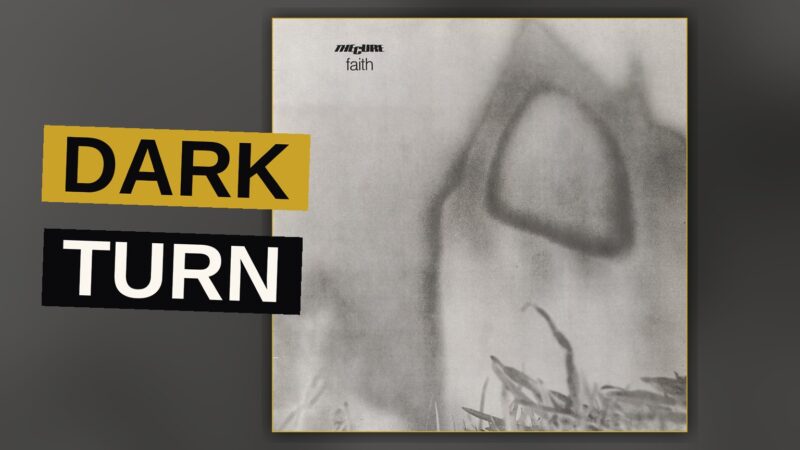
Album Reviews8/10
How The Cure’s Faith Turned Their Sound Into A Moody, Unsettling Masterpiece
A look back at The Cure's 1981 album Faith, a dark turn toward atmosphere and melody over post-punk energy.

Records we have scored.
A look back at The Cure's 1981 album Faith, a dark turn toward atmosphere and melody over post-punk energy.
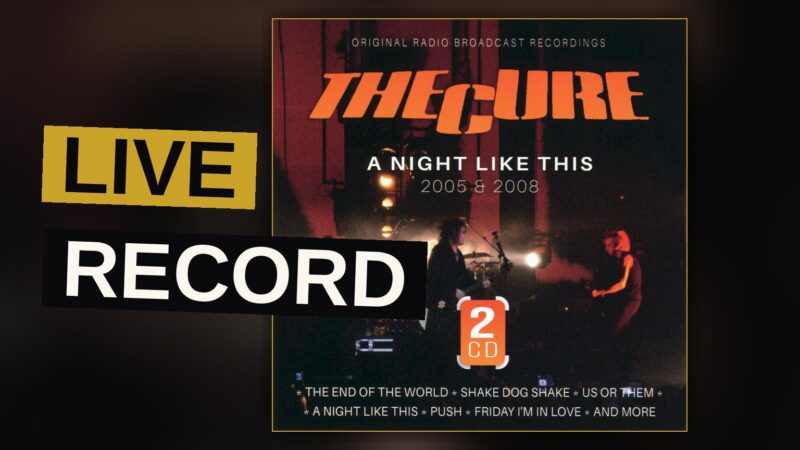
A live double-album of The Cure's most beloved tracks, performed with ritualistic precision across eighteen tracks.
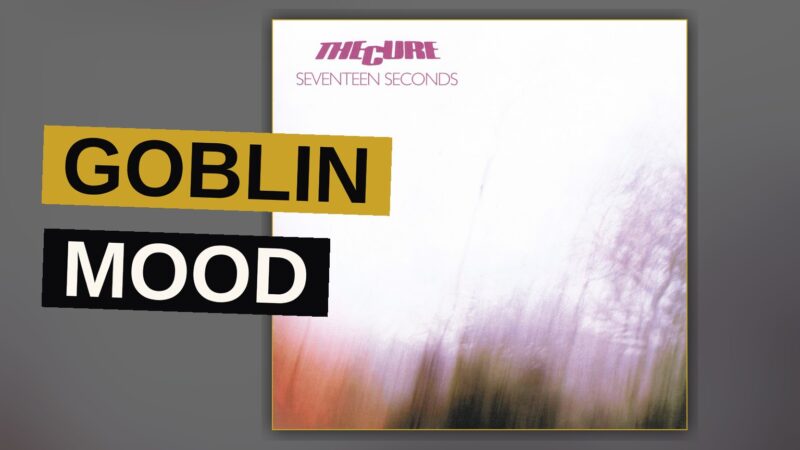
A look back at The Cure's Seventeen Seconds, a confident gothic statement that established the band's dark, romantic sound.
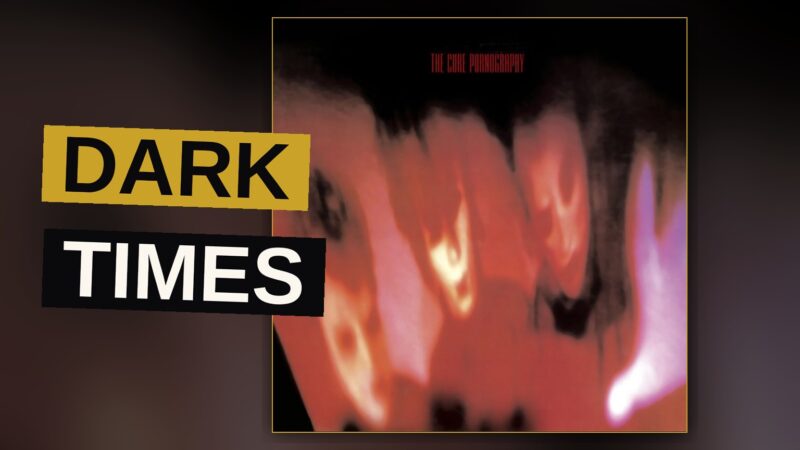
A solemn record of dread and despair, wherein The Cure forego the light and dwell amid shadows and sorrow.
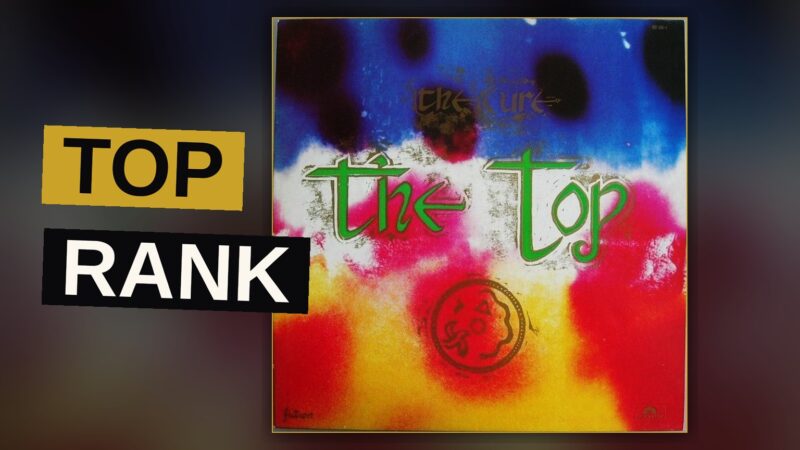
A record of contradiction: a dark, ambitious work wherein ambition and discord contend within one soul.
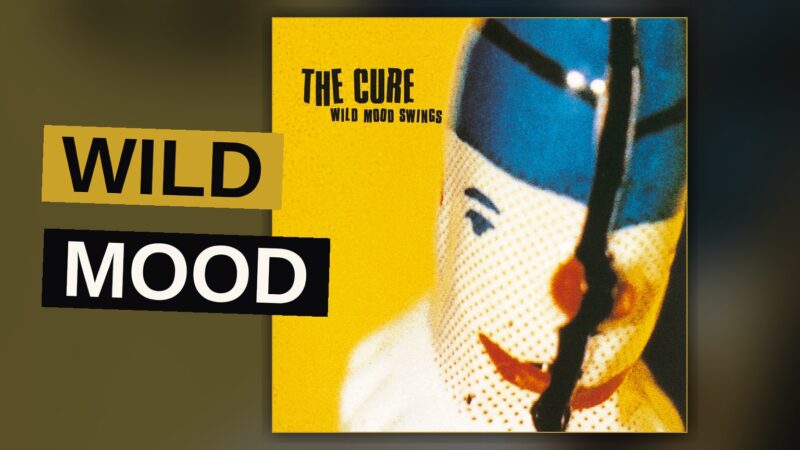
A review of The Cure's 1996 double album Wild Mood Swings, weighing its strong singles against its weaker filler.
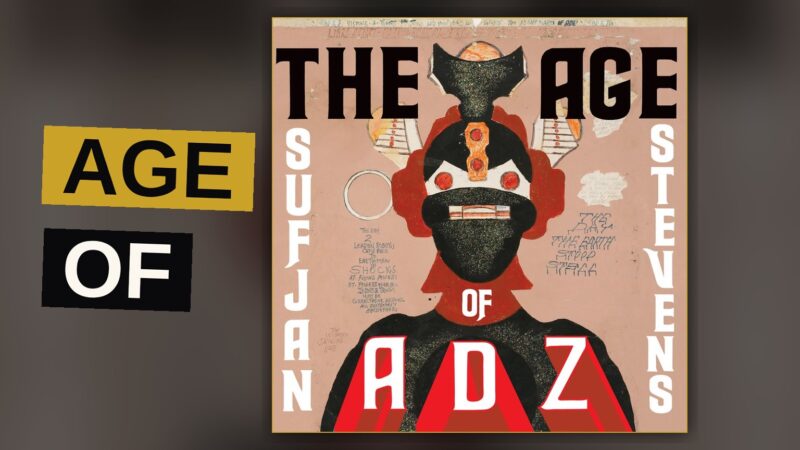
A record of memory, technology, and longing, wherein Sufjan Stevens bridges pop and strangeness with a bold, sprawling vision.

A suite of seventeen songs about the planets, wherein a solitary wanderer seeks wisdom amid the vastness of space.
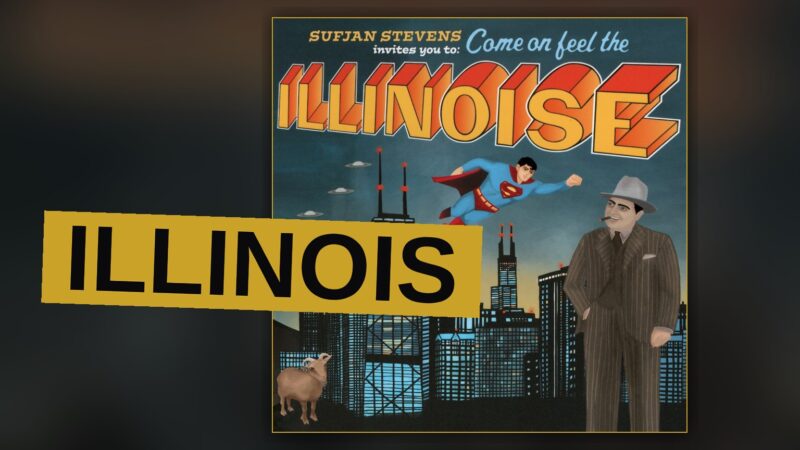
A sprawling portrait of Illinois, from Chicago to its darkest legends, rendered in song and silence.
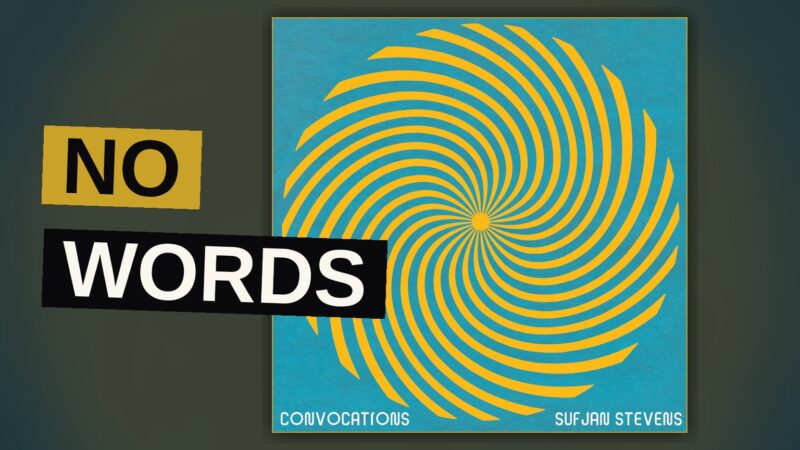
A record of grief without words, piano and strings bearing the weight of loss across forty-nine tracks.
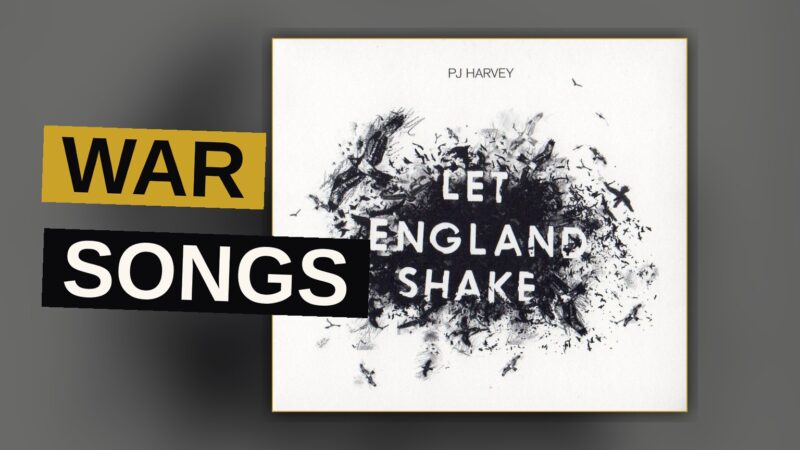
A review of PJ Harvey's 'Let England Shake,' a grim, stripped-down album about a nation lost to war.

A song cycle of Washington, D.C.'s monuments and military halls, told quietly and with sorrow.
As an Amazon Associate, Clay Tribune earns from qualifying purchases.