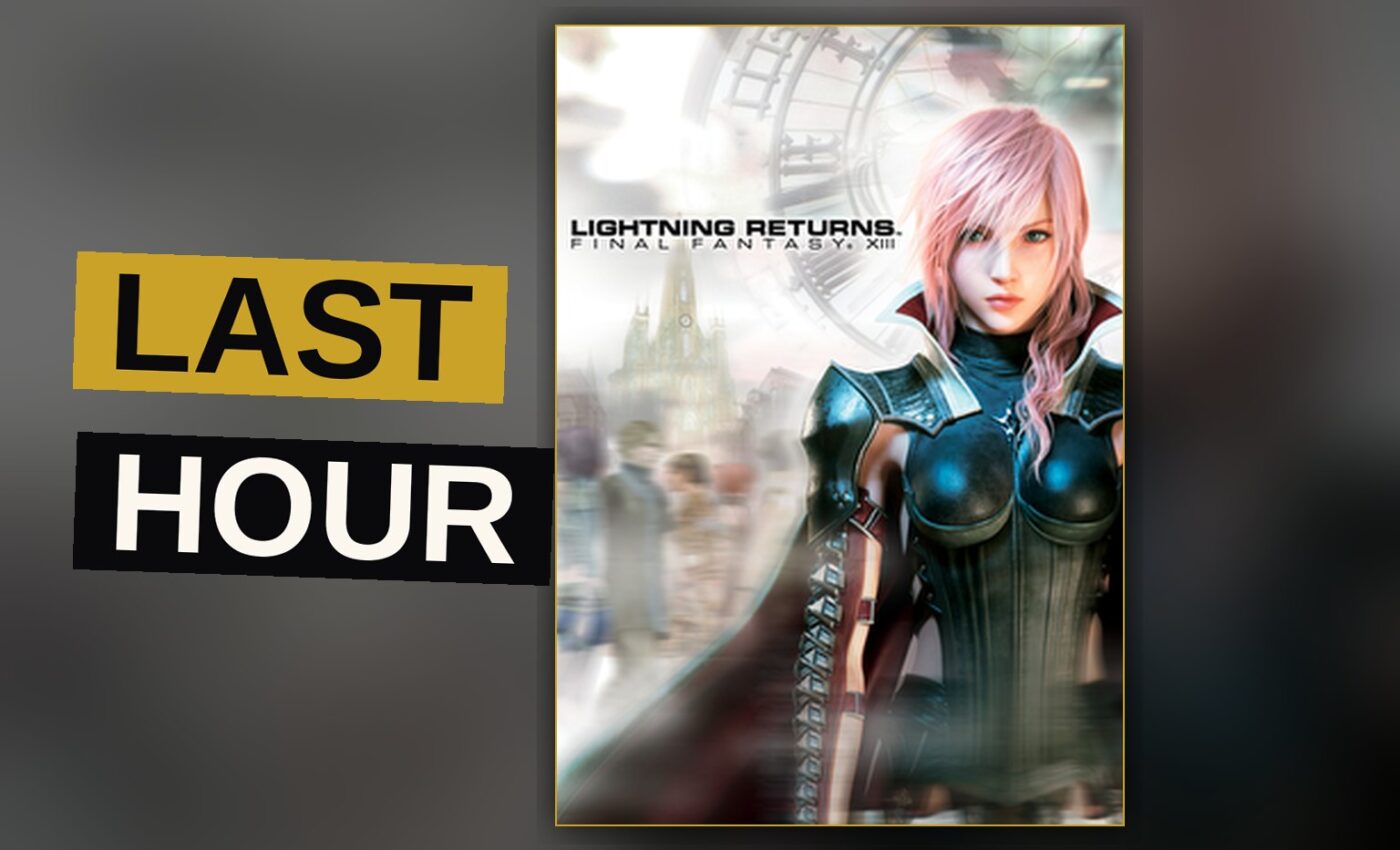
Lightning Returns: Final Fantasy XIII closes out the series with a city built for one last trip through time. It asks players to run, fight, and think fast, packing a tight story into a world that runs out of days.
Trailer, via Square Enix.
The World of Nier
The game drops players into Luxerion, a floating city built from scrap metal. The setting is bright, broken, and full of life, even as it falls apart. Lightning herself is the only person left alive in the world, tasked with saving it from destruction.
That setup gives the game a strange kind of focus. There is no grinding, no side content, no extra dungeons to wander through. Everything moves forward toward a deadline, and that pressure shapes nearly every decision made.
Time Runs Out
The central mechanic is time itself. Days pass in real time, and players can only hold so much before the world ends. This forces a rhythm: plan, act, rest, repeat. It works, but it also means the pace can feel rushed, especially near the end.
The game’s structure rewards quick thinking. Players must manage resources, move through cities, and fight enemies without wasting a second. That pressure can be exhausting, but it also makes every mission feel urgent.
Fighting the Clock
Fights are the heart of Lightning Returns: Final Fantasy XIII. They borrow systems from earlier games in the series, mixing action with menu commands, but the pace here is faster. Enemies hit harder, and players need to react quickly to survive.
The combat system is solid, though it shows its age compared to newer titles. It holds up well in short bursts but can wear thin during long stretches of play.
Side Content
There is almost none. The main story is the whole game, and there is very little beyond it. Some players will find this freeing. Others will miss the filler that padded earlier entries in the series.
What little side content exists is small in scope but packed with personality. The game’s world is full of small moments that humanize its characters, even when the story stays grim.
The Story Behind the Clock
The plot follows Lightning as she tries to save the world before it ends. Her journey carries real weight, and the ending lands with some force. It is not a happy ending, but it feels earned.
The game leans on its characters to carry the narrative, and it succeeds. Lightning is a strong lead, and her relationships drive the story forward.
Technical Limits
On PS3, the game looks dated. Textures are rough, animations are stiff, and the frame rate dips during busier scenes. On PC and Xbox 360, the presentation holds up better, though the core problems remain.
The soundtrack, composed by the series’ usual team, stands out. It matches the game’s tone, shifting between quiet dread and grand musical passages.
What Works Best
Here is a quick rundown of the game’s strongest points:
- The sense of urgency tied to the world’s countdown clock.
- The combat system, which rewards quick decisions.
- The story, which gives the series a fitting end.
- The music, which sets a strong tone throughout.
- The character writing, which gives each person a distinct voice.
What Falls Short
The lack of side content leaves some players wanting more. The dated graphics will frustrate anyone used to newer hardware. The pacing, while effective, can feel relentless during long stretches.
Lightning Returns: Final Fantasy XIII closes a long chapter in the series, and it does so with a sense of finality that few games manage. It is not a perfect game, but it is a focused one, and its strengths outweigh its weaknesses.
Get the Notebook.
The day's best stories and every fresh verdict, in plain English, in your inbox by seven. One email a day, no more.