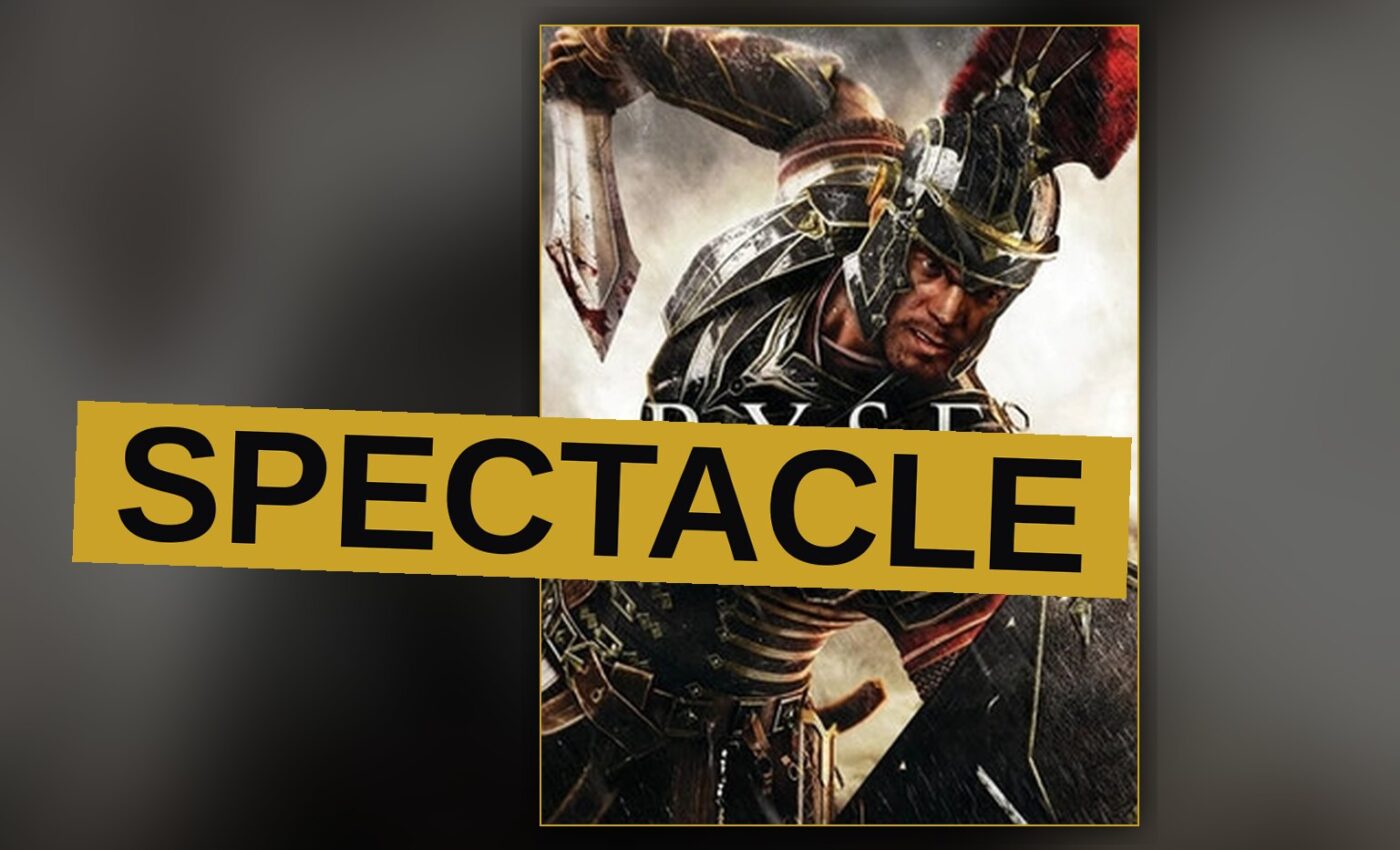
Ryse: Son of Rome asks players to fight their way through a war of revenge, and it mostly delivers on spectacle while stumbling on depth. The game, developed by Crytek and published by Microsoft, launched in 2013 for PC and Xbox One, and it remains a study in contrasts: beautiful visuals, shallow combat, and a story that never quite earns its stakes.
Trailer, via IGDBcom.
Marcus Aquila’s War
The game follows Marcus Aquila, a Roman officer whose family is betrayed by a rival general. The plot is simple: Marcus wants vengeance, and the game gives him a series of battles across the empire to get it. There is no branching narrative here, no moral choices, and no real character development. The story exists to move Marcus from one arena to the next, and it rarely rises above the level of a generic revenge saga.
The pacing is fast, which helps cover the thin script. Battles are frequent, and the game rarely lets the player sit idly between fights. This constant motion keeps the momentum up, even when the writing goes slack.
Combat That Cuts Both Ways
Combat in Ryse: Son of Rome is built around a heavy sword, and the game makes that weapon feel powerful. Swings are slow and weighty, and the game rewards patience over speed. Enemies fall apart in satisfying ways, and the animations hold up well even when the action gets busy.
But the system is also limited. There is no real dodge, no parry, and no deep skill tree to keep players engaged. The game relies on brute force and repetition, and that repetition can wear thin quickly. Boss fights are the exception, offering more varied attacks and a sense of danger that the standard waves lack.
Here is how the combat system breaks down:
- Heavy sword swings — slow, powerful, rewarding patience.
- Enemy variety — some enemies hit harder, some hit faster, but few change the basic formula.
- Boss fights — the closest the game comes to giving players a challenge beyond brute force.
- Standard waves — repetitive, easy to predict, and best played fast.
Graphics and Performance
The graphics are the star of the show. Ryse: Son of Rome uses the CryEngine, and it shows. Environments are dense and detailed, characters have expressive faces, and the lighting gives each battle a distinct mood. The game looks like a movie, and that visual ambition is part of what made it a launch title for Xbox One.
Performance is another matter. On PC, the game can struggle with frame rate dips during large battles, especially when the screen fills with soldiers and debris. On Xbox One, the console version handles the load better but still shows occasional hitches. Neither version feels entirely smooth, though both remain playable.
Sound Design and Music
The sound design supports the visuals well. Weapon impacts land with weight, and the roar of crowds adds a sense of scale to the larger battles. The music is bombastic, leaning heavily on brass and drums to build tension. It works in the moment but can become repetitive over a full playthrough.
Where Ryse Falls Short
The biggest problem is the lack of depth. Ryse: Son of Rome is a linear shooter with a sword, and it does not offer enough variation to justify a full campaign. The game repeats the same combat loop across its six chapters, and the difficulty curve rarely surprises the player. Newer games in the genre have added stealth, side missions, and meaningful choices. Ryse has none of that.
The game also suffers from a poor difficulty balance. Some enemies hit far too hard, and the game expects players to learn enemy patterns through repeated failure. This can be frustrating, especially in the later chapters, where the game demands a level of precision that the controls do not fully support.
A Solid First Impression
Ryse: Son of Rome is not a broken game, but it is a limited one. Its strengths — the visuals, the combat weight, the sheer spectacle of its set pieces — are real and immediate. Its weaknesses — the thin story, the shallow combat, the repetitive design — are equally real and harder to ignore.
The game is best enjoyed as a technical showcase rather than a deep experience. Players looking for a gripping story or a challenging fight will find more elsewhere. Those who want to see what the CryEngine can do, or who simply enjoy big, bold action sequences, will get something out of it.
Ryse: Son of Rome scores 6.6 out of 10.