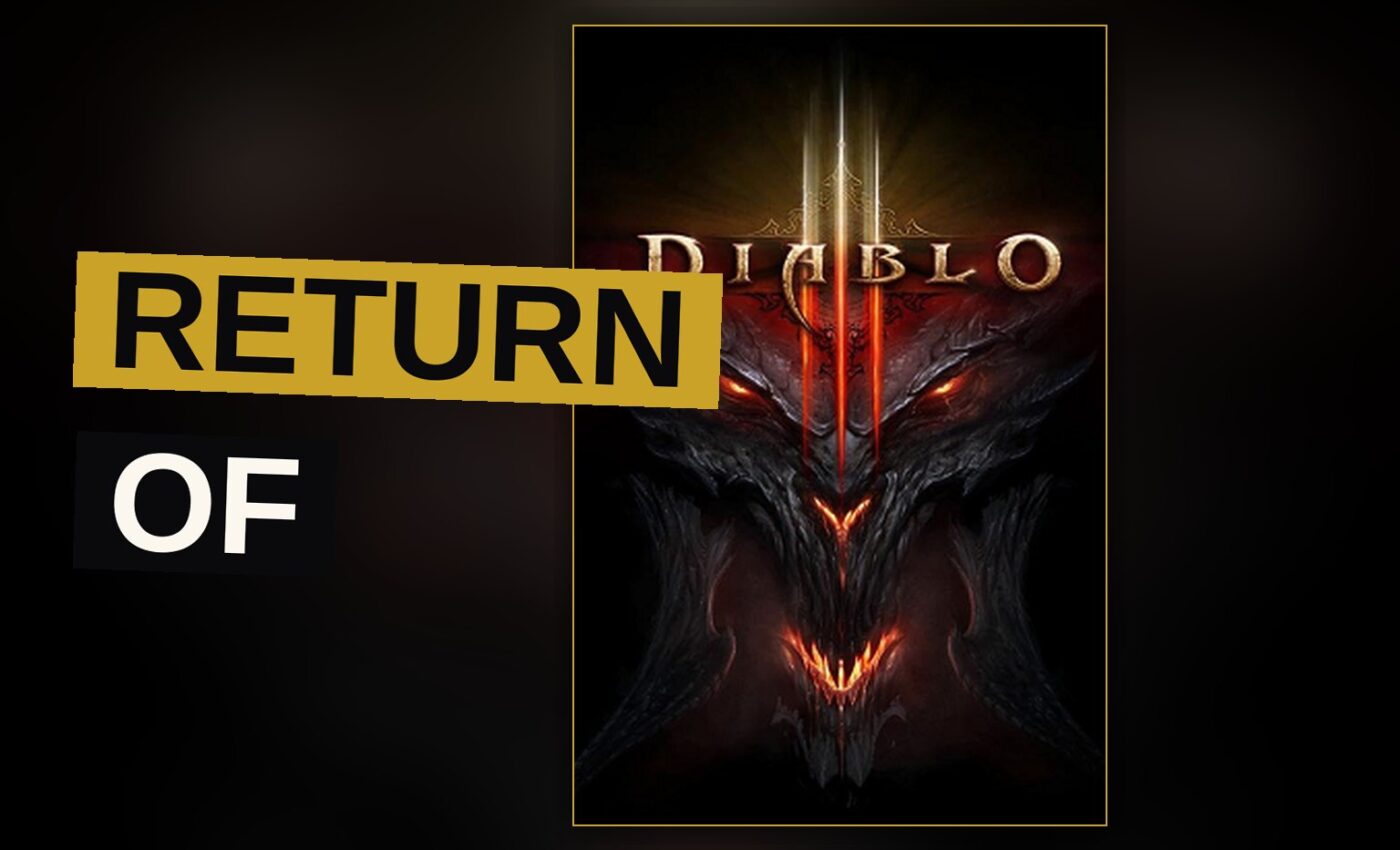
Diablo III is a return to form for Blizzard’s long-running action role-playing series, and it plays like a masterclass in simplicity. The game strips away the clunky interface of its predecessor and replaces it with a system so fluid that it feels almost effortless. That is not a small achievement, because the original Diablo II was a masterpiece of complexity, and the shift here is a genuine leap forward. The result is a game that anyone can pick up and play for hours without feeling lost, while still offering enough depth to keep veteran players engaged for months.
Trailer, via FlashQC.
Combat Loop
The combat loop in Diablo III is the game’s greatest strength. You click to attack, you click to cast spells, and the game handles everything else. There is no need to micromanage your inventory, equip gear, or manage resources like mana. The game simply lets you fight. This is a huge relief after the convoluted systems of the previous entry, which required constant attention to stats, skills, and item management.
Each class brings its own playstyle to the table, and the game encourages experimentation through its skill trees. The Barbarian is a tank who can cleave through enemies with massive swings, the Wizard unleashes arcane energy from afar, and the Demon Hunter deals ranged damage with bows and crossbows. Each tree offers multiple paths, so a player can build a Wizard who focuses on elemental damage or one who becomes a melee powerhouse. The flexibility means no two builds feel the same, even within the same class.
The difficulty curve is steep, but fair. Early on, the game is forgiving, allowing players to learn the controls without too much pressure. As you progress, the enemies get tougher, the bosses hit harder, and the loot drops become more valuable. The game never feels cheap, though it does demand precision and quick reflexes. The sense of accomplishment when you finally fell a particularly nasty boss is immense.
Setting and Story
The setting is a dark fantasy world called Sanctuary, and it is rendered with a level of detail that was unprecedented for the genre at the time. The environments range from sunlit forests to sprawling deserts, and each area has its own distinct look and feel. The lighting is excellent, casting shadows across crumbling ruins and glowing torchlight through dungeons. The game runs at a smooth frame rate, which is essential for a fast-paced action game.
The narrative is thin by design, but it works. The story follows the adventures of the player characters as they hunt down the titular Lord of Terror, Diablo himself. The plot is told through brief cinematics between levels, and it is not a deep story. But it does not need to be. The game is about killing demons, and the story serves as a framing device rather than a destination. The dialogue is occasionally witty, and the voice acting is solid, though it is not the kind of performance that will win awards.
Multiplayer
The game’s multiplayer functionality is where Diablo III truly shines. Players can team up with friends or strangers to take on dungeons together. The cooperative mode is seamless, and the game handles the networking so well that there is almost no lag, even on slower connections. The ability to drop in and out of games at any time makes it easy to jump into a session with a friend, then leave to continue solo. This accessibility is a major draw, and it has kept the game alive for years beyond its initial release.
Loot System
The loot system is the heart of Diablo III, and it is where the game generates its replay value. Every kill drops items, and those items can be legendary, set, or rare. Legendary items are the best gear in the game, and they come with unique abilities that change how a character plays. Set items provide bonuses when equipped together, and rare items fill in the gaps. The game also features a crafting system that allows players to create and upgrade weapons and armor.
The randomness of the loot is both a blessing and a curse. On one hand, it keeps every playthrough fresh, because you never know what you will find. On the other hand, the loot can be frustratingly sparse, especially during early stages. The game’s economy is also worth noting, as players can sell unwanted items to vendors or trade with others. The auction house, a feature that allows players to buy and sell items for real money, was later removed, but its removal did not significantly harm the game’s core experience.
The challenge of finding the perfect legendary item drives many players to grind for hours, and the game rewards that dedication with increasingly powerful gear. The sense of progression is strong, and the game makes you feel like a hero as you collect better equipment. The loot system is not perfect, but it is addictive, and it is one of the reasons the game has remained popular for so long.
Technical Side
The technical side of Diablo III is strong, but it is not without flaws. The game runs at a high frame rate on modern hardware, and the graphics are sharp. However, the game has had issues with performance on older machines, and some players have reported stuttering or crashes. These problems are less common now that the game has aged, but they were a concern at launch.
The game also includes a feature called the “Paragon System,” which allows players to level their characters beyond the maximum level cap. This system adds an extra layer of progression, as players can gain additional stats and abilities by earning Paragon points. It is a clever addition that extends the lifespan of the game without requiring a full expansion.
The game’s sound design is also noteworthy. The music is orchestral and epic, fitting the tone of the game. The sound effects are punchy and satisfying, and the voice acting is competent. The game is a complete package, and it holds up well against other action RPGs of the era.
Comparing the Two Games
| Feature | Diablo III | Diablo II |
|---|---|---|
| Combat System | Click-to-attack, simplified | Complex stat tracking, micromanagement |
| Difficulty Curve | Steep but fair | Steep and punishing |
| Loot System | Randomized, rewarding | Randomized, sometimes sparse |
| Multiplayer | Smooth, drop-in/drop-out | Lag-prone, limited options |
| Replay Value | High, through Paragon System | Moderate, through difficulty |
The table shows how far the series has come. Diablo II was a groundbreaking game, but its systems were outdated by the time Diablo III arrived. The newer game took everything that worked about the original and streamlined it, making the experience more accessible without losing its edge. The comparison is not meant to diminish the earlier game, but to show how much the genre has evolved.
Final Verdict
Diablo III is a triumph of design. It takes a beloved franchise and rebuilds it from the ground up, keeping what works and discarding what does not. The combat is fluid, the loot is exciting, and the multiplayer is seamless. It is a game that anyone can enjoy, and it rewards the dedicated player with endless hours of content.
The game is not perfect. Its loot system can be frustrating, and its difficulty can be punishing. But these flaws are minor compared to the strengths. Diablo III is a game that understands what makes the action RPG genre tick, and it executes on that understanding with confidence.
The game’s legacy is secure. It spawned a sequel, Diablo IV, which built on its foundation. It remains a benchmark for the genre, and it stands as one of the best action RPGs ever made. It is a game that you can play for a few hours or a hundred hours, and it will always deliver.
Diablo III earns an 8.3 out of 10.
Get the Notebook.
The day's best stories and every fresh verdict, in plain English, in your inbox by seven. One email a day, no more.