
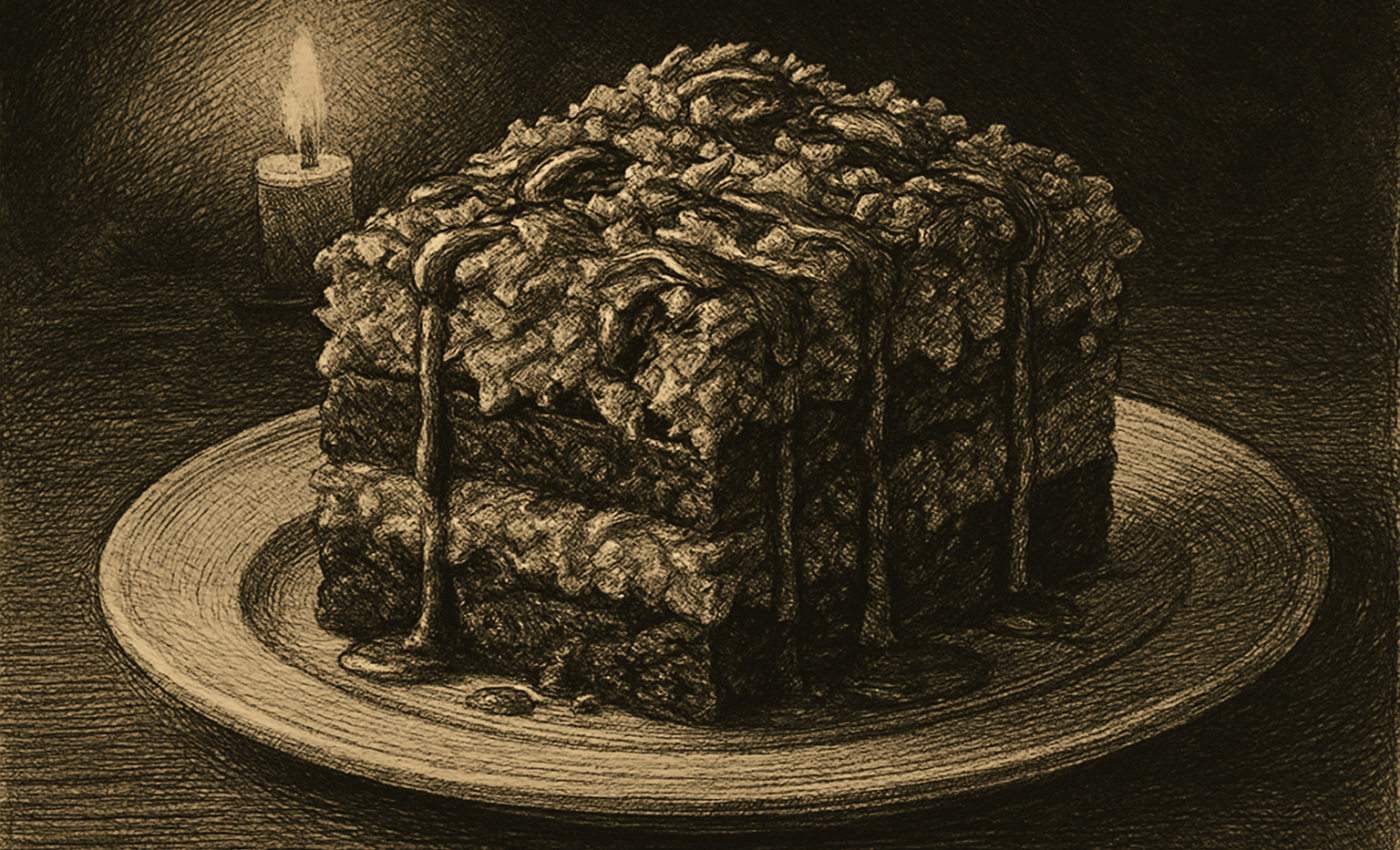
German chocolate cake isn’t really German. And icebox cake isn’t really cake. But when you put these two misnomers together, you get a dessert that’s perfect for surviving August’s sweltering heat. We all need a little sweet something, even when it’s too hot to bake.
The Names Behind the Cake
German chocolate cake is a supersaccharine concoction of chocolate cake, coconut, pecans, and caramel. It’s named after Samuel German, a chocolate maker from Massachusetts who invented a type of baking chocolate. His boss, Walter Baker, the head of what is now Baker’s chocolate, produced and distributed it. The recipe wasn’t named after a country; it was named after the man who made the chocolate.
A recipe for the cake from a Mrs. George Clay appeared in a 1957 edition of The Dallas Morning News. That version reportedly gained national attention. The concept predates Clay’s recipe, but the author gives Texans permission to claim the cake as their own, noting that Texans often do.
Icebox Cakes and Their Roots
Icebox cakes date back to the early twentieth century, around the time refrigeration became more prevalent in homes. Once a luxury—not everyone could afford iceboxes when they were new—the cakes became a popular time-saver for mid-century housewives. They don’t require any actual baking, and they’re typically assembled from premade ingredients.
The author is partial to Ina Garten’s famous mocha icebox cake, layered with chocolate chip cookies. There’s also an argument that banana pudding is an icebox cake.
The Recipe
The author’s recipe builds on the idea of an icebox cake. It uses a loaf pan, chocolate graham crackers, chocolate pudding, store-bought caramel sauce, coconut flakes, and toasted pecans. The goal is to create something that would make German, Baker, and Clay proud.
Here’s how it breaks down:
| Ingredient | Amount |
|---|---|
| Milk | 2 cups |
| Chocolate instant pudding | 1 3.9-ounce package |
| Pecans | ¾ cup, chopped |
| Coconut flakes | ⅓ cup |
| Dulce de leche | ¼ cup |
| Chocolate-flavored graham crackers | 12 |
How to Make It
Start by making the pudding with the milk according to the packet instructions. Set it aside while you toast the pecans and coconut in a skillet. Toast the pecans over medium heat until fragrant, about 90 seconds, stirring frequently. The coconut toasts faster, in about 30 seconds.
Line a 9-by-5-inch loaf pan with plastic wrap, making sure there’s plenty hanging over the edges. Set aside a tablespoon of coconut, a tablespoon of pecans, and two teaspoons of dulce de leche.
Build the cake in layers, much like a lasagna. Spoon a small amount of pudding into the bottom of the pan, then layer three graham crackers on top. Sprinkle pecans and coconut, drizzle with dulce de leche, then repeat with another layer of crackers, pudding, and the mix of nuts and sauce. Don’t crowd the crackers—they will expand as they absorb the pudding. End with a layer of pudding.
Fold the plastic over the top of the icebox cake and refrigerate overnight.
The Next Day
Peel back the plastic from the top and invert the cake onto a serving plate. Carefully peel off the plastic entirely. Sprinkle the reserved coconut and pecans on top, then drizzle with the remaining dulce de leche. Cut slices and serve.
Comparing the Two Desserts
| Dessert | Origin | Key Ingredients | Baking Required |
|---|---|---|---|
| German chocolate cake | Named after Samuel German | Chocolate cake, coconut, pecans, caramel | Yes |
| Icebox cake | Early twentieth century | Premade ingredients, no baking | No |
The comparison shows why the combination works. One is a baked cake with a rich history. The other is a no-bake assembly that became a household convenience. Put them together, and you get a dessert that skips the oven but keeps the flavors.
This cake is built for summer. It requires no actual baking, which means no kitchen heat from the stove. It uses store-bought caramel sauce and premade graham crackers. The toasted nuts add texture, and the pudding holds everything together.
Give it a try.
Source: texasmonthly.com