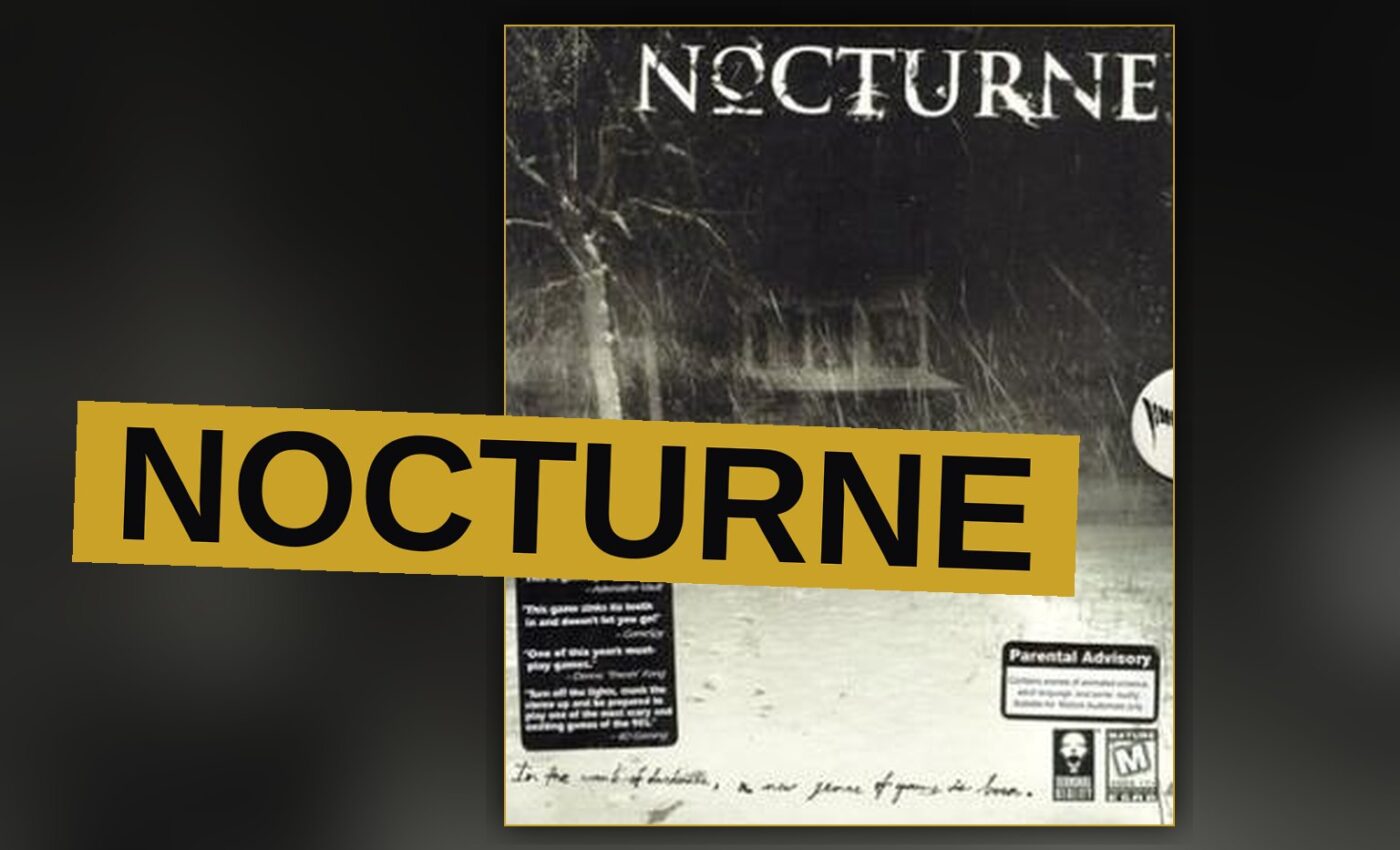
Nocturne is a puzzle game about darkness, and it is the best one of its kind since Limbo. The 2026 release for PC asks players to move through shadow and light, and it does so with a precision that few games manage. It earns an 8.1 out of 10.
The Core Mechanic
The game is built around a simple rule: the world is mostly dark, and the player character can only see what is lit. Light bulbs, mirrors, and reflective surfaces become tools. Players must position light sources to reveal paths, spot enemies, and solve physics puzzles.
The setup sounds thin. It is not. The level design uses the mechanic in dozens of ways, each chapter finding a new angle on visibility. One room might require a mirror to bounce light around a corner; another demands precise timing to keep a path illuminated while moving through it.
A Slow Start
The early levels are gentle. This is a deliberate choice, and it pays off once the difficulty ramps up. The first few chapters establish the basics without rushing, which means the later puzzles feel earned rather than baffling.
The pacing here is a small complaint. Some players will find the opening hours slow compared to other puzzle games. But the foundation is solid, and the payoff comes fast.
Difficulty Curve
Nocturne is not easy. The middle stretch introduces complex combinations of mirrors, light bulbs, and timed movements that test patience. A single puzzle might require arranging three mirrors, a light source, and a switch in the right order across a room full of darkness.
The difficulty is fair rather than frustrating. Each failure teaches something about the mechanics, and the solutions rarely feel arbitrary. That said, the game does ask for repeated attempts, and some players will find the late-game challenges demanding.
Visual Identity
The art direction is stark. The contrast between black and white is total, and the world feels empty and oppressive in a way that fits the tone. Sound design supports this, with a minimal score and heavy use of silence. The presentation is not flashy, but it is effective.
The look of Nocturne is its identity. It is a game that would lose half its appeal if it were painted in color.
Level Design
The level design is where Nocturne shines brightest. Each chapter introduces a new element, and the game builds on those elements across subsequent rooms. A puzzle involving a single mirror becomes a chain of mirrors in the next room. The progression is logical, and the game rarely repeats itself.
There is a rhythm to the level design that feels deliberate. A difficult sequence is followed by a breather, a clever solution by a straightforward path. This keeps the game engaging without exhausting the player.
Length and Structure
Nocturne is a short game. A player who knows the controls can finish it in under six hours. That brevity is a strength, not a weakness. The game respects the player’s time, and every minute is packed with content.
The structure is linear, with occasional branching paths that offer alternate solutions. There is no multiplayer, no extra modes, no hidden collectibles. What is there is polished and complete.
| Chapter | Focus | Time |
|---|---|---|
| Prologue | Introduction | 15 minutes |
| Chapter 1 | Basic Mechanics | 25 minutes |
| Chapter 2 | Mirrors | 30 minutes |
| Chapter 3 | Timing | 35 minutes |
| Chapter 4 | Combinations | 40 minutes |
| Epilogue | Finale | 20 minutes |
Final Word
Nocturne is a focused, well-made puzzle game that understands its own limits. It does not try to be everything; it tries to be one thing very well. The core mechanic is carried through a tight, logical progression, and the presentation supports the mood without getting in the way.
It is not perfect. The early pacing is slow, and some players will find the difficulty curve steep. But the highs are high, and the lows are brief. Nocturne earns its place alongside other great puzzle games.