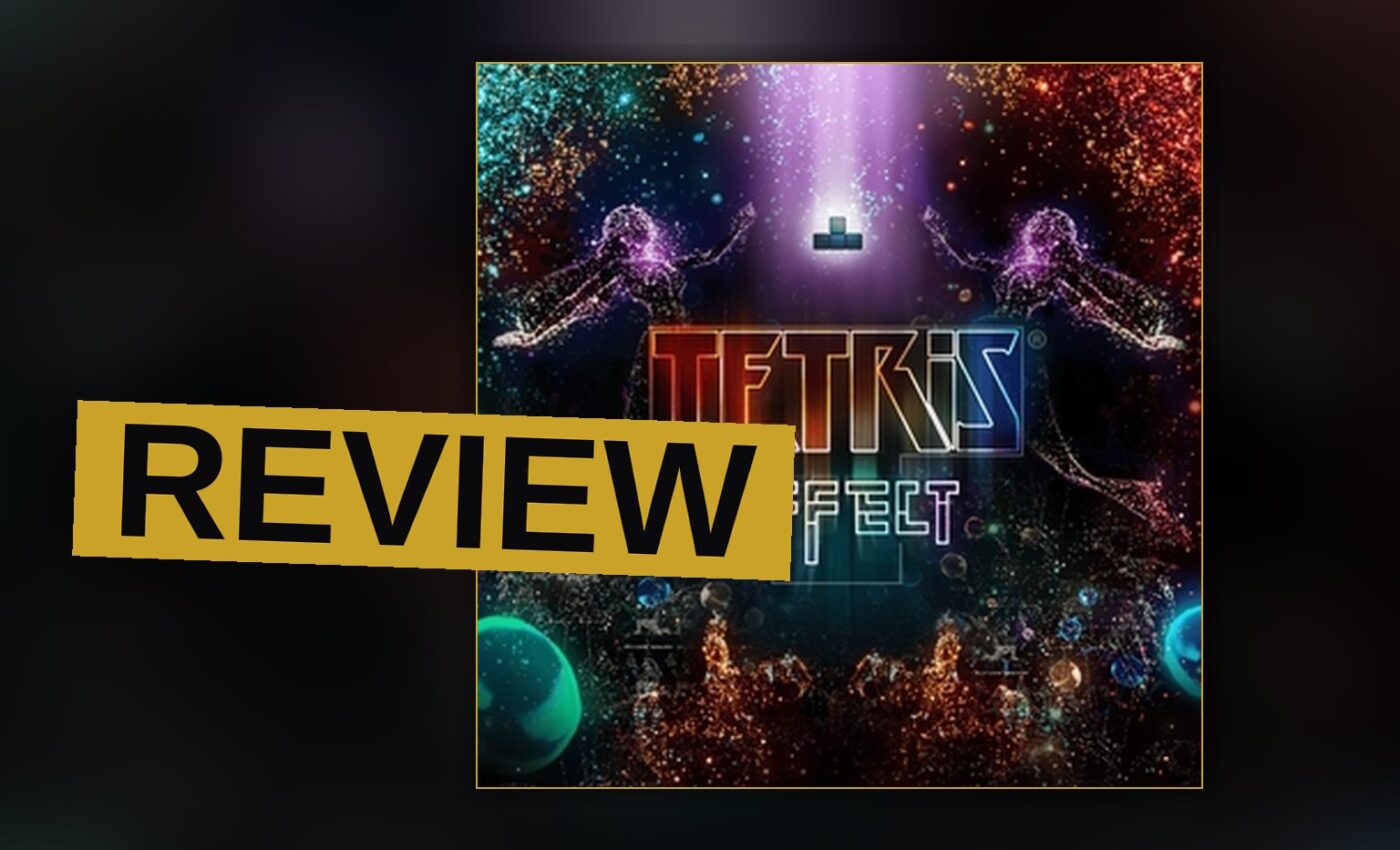
Tetris Effect is not a new game. It is the same falling-blocks puzzle that has existed for decades. What makes it remarkable is what surrounds those blocks: light, sound, and a sense of scale that turns a simple mechanic into something close to transcendence.
Trailer, via PlayStation.
Falling Blocks, Familiar Rules
The rules are untouched. You rotate pieces, complete lines, and clear garbage. That familiarity is the point. The game takes a perfect system and refuses to fix it. Instead, it dresses the system in a living, breathing audiovisual show.
Each level is a journey. You move from a deep ocean to a desert plain, from a neon city to the far reaches of space. The background reacts to your input. Combo a few lines and the world pulses. Miss a beat and the color dims. It is a feedback loop that makes every successful drop feel like a small victory.
Zone Adds a Risk
The one real addition is the Zone. Activate it and time slows. You can stack pieces freely, building up a reserve of cleared lines. Release it and the board erupts, scoring massive points in solo play. It is a risk-reward system that rewards patience. Hold too long and the pressure builds. Let go too early and you waste the effect.
Music as a Partner
The soundtrack is the star. It is a score that rises and falls with your performance. Each action produces a sound. Dropping a piece adds a note. Clearing a line adds a chord. The game becomes a duet between you and the machine. It is a rare case where the audio is not an accessory but a core part of the design.
Journey Through the Stages
The campaign mode, called Journey, runs through a series of themed stages. Each stage introduces a new theme and a new track. The difficulty ramps steadily, from gentle introductions to frantic finales.
The journey moves through distinct settings, from deep water to open desert, from neon streets to the far reaches of space, before pushing into abstract, cosmic territory where the background is less a place and more a feeling.
Beyond the Campaign
Beyond Journey, there is a marathon mode for endless play and a sprint mode for speed. The PSVR version adds a layer of immersion that makes the experience feel almost physical.
The Zone’s Solo Focus
The Zone mechanic is built around solo play, where clearing the reserve lines produces a massive score bonus.
Final Score
Tetris Effect is a masterclass in presentation. It does not reinvent the wheel. It makes the wheel feel new. The Zone mechanic adds depth, the music adds soul, and the visuals add wonder.
| Mode | Best For |
|---|---|
| Journey | The full experience |
| Marathon | Endless practice |
| Sprint | Speed runs |
The campaign is brief, but the replay value is high. The game carries an IGDB critic aggregate of 8.8/10 from 12 outlets. It is a game that respects its source material while pushing it forward.
How the Game Earns Its Score
The IGDB aggregate of 8.8/10 from 12 outlets reflects the critical consensus. The PSVR version specifically adds a layer of immersion that makes the experience feel almost physical, a factor reviewers have cited as a strength.
- The core puzzle remains untouched and perfect.
- The Zone mechanic adds a genuine risk-reward layer.
- The soundtrack responds dynamically to player input.
- The themed stages carry the player from real places into abstract space.
These four elements work together. They explain why the game holds its high aggregate across the outlets that reviewed it.
Get the Notebook.
The day's best stories and every fresh verdict, in plain English, in your inbox by seven. One email a day, no more.