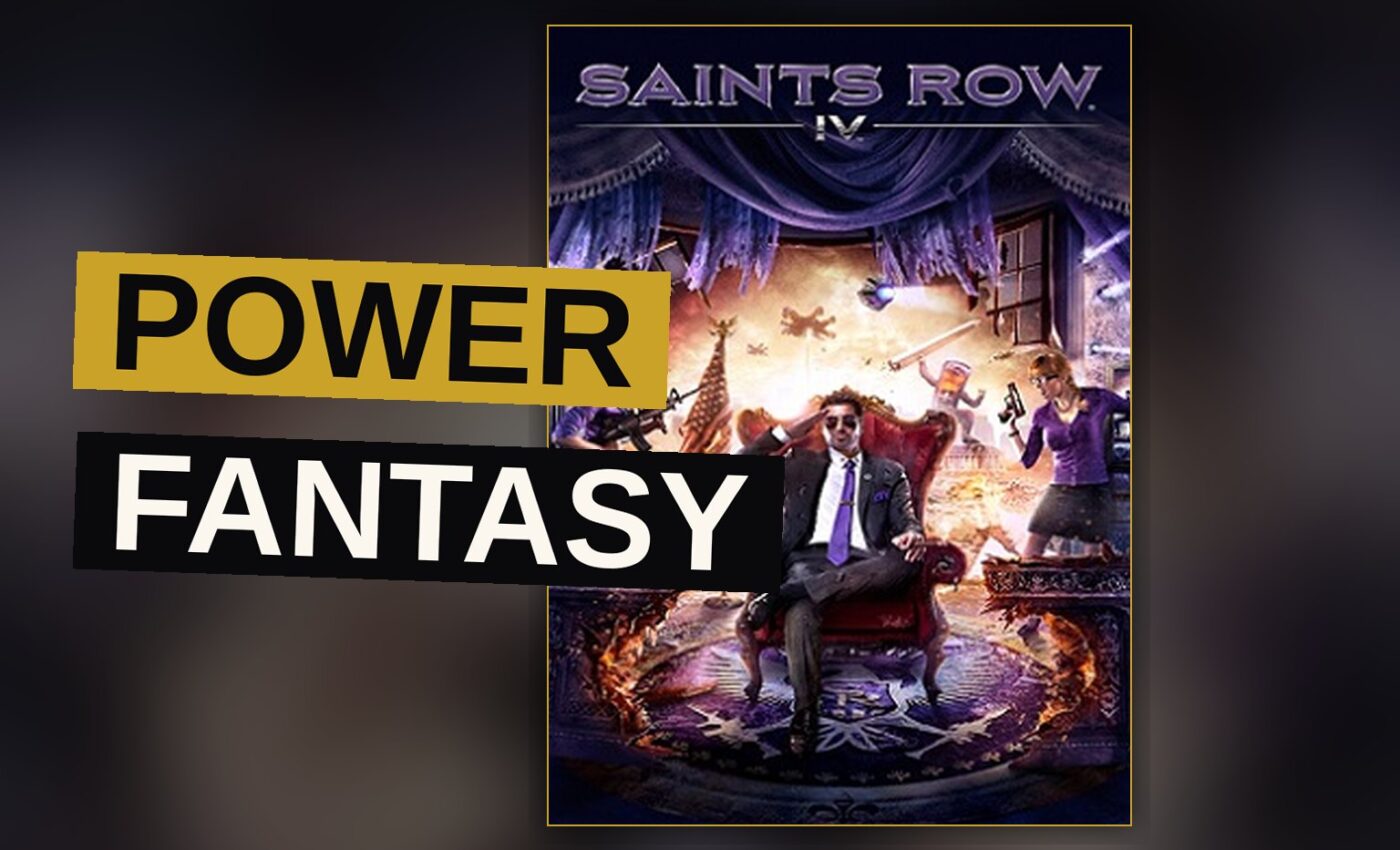
Saints Row IV is a game about style over substance, and it knows it. The 2013 open-world action game from Volition drops players into a city built out of plasticine, where skyscrapers crumble and regrow, and the streets run with neon satire. It is a love letter to power fantasies and a parody of superhero movies, wrapped in a story that never takes itself seriously.
The premise is simple: after a disastrous invasion by the Zinyak, the protagonist becomes a superpowered agent of the Third Street Saints, a gang that now runs the world. The plot is thin, mostly a series of fetch quests and set pieces, but the game is at its best when it stops trying to be a narrative and becomes a playground for absurdity.
Trailer, via GameSpot.
The Superhero Power Set
The core loop of Saints Row IV is the superpowers system. Players can fly, teleport, throw energy blasts, and punch through walls. Each ability has a meter that drains while in use, forcing players to manage cooldowns during combat. The system is generous, giving access to all powers early and letting players mix them freely.
The power set is the reason the game remains fun to play today. It rewards experimentation and punishes caution. A player who teleports behind an enemy and throws a shockwave is far more likely to win than one who stands still and fires a gun.
Gaining Control of the City
The city itself is a parody of American suburbia and urban sprawl. Each district is a theme park of stereotypes, from the gated community of Stilwater to the corporate skyscrapers of the business district. The game mocks gentrification, capitalism, and suburban excess with gleeful abandon.
The districts are connected by a fast-travel system that lets players move quickly between zones. This is a welcome addition to a game that asks players to traverse large distances frequently.
The Plot and Its Weaknesses
The story follows the protagonist’s journey to save the world from the Zinyak, a villain who wants to remake reality. The plot is thin, mostly a series of set pieces and fetch quests. The dialogue is often sharp, but the pacing suffers from filler missions and repetitive objectives.
The game’s humor is broad and juvenile, relying on crude jokes and visual gags. Some of it lands, but much of it falls flat. The game’s tone is inconsistent, shifting from serious to comedic without warning.
The Technical Performance
Saints Row IV ran on multiple platforms, including PS3, PS4, Linux, and PC. The PC version offered the best performance, with faster load times and better graphics options. The PS4 version was released later and included some improvements.
| Platform | Load Time | Graphics Options |
|---|---|---|
| PC | Fastest | Most extensive |
| PS4 | Moderate | Limited |
| PS3 | Slowest | Limited |
The game’s frame rate suffered on the older hardware, especially during dense combat scenes. The loading times were also longer than they needed to be, which interrupted the flow of gameplay.
The Mission Structure
The main missions are linear, with players following a path laid out by the game. The side content is where the game shines, offering random events and hidden collectibles that reward exploration. The game encourages players to roam the city, find secrets, and complete challenges.
The mission structure is simple, but the variety of activities keeps the game engaging. There are driving races, shooting galleries, and stealth sections, each with its own twist on the mechanics.
The Final Verdict
Saints Row IV is a flawed but entertaining game. Its superpowers are a highlight, its satire is sharp, and its technical performance is uneven. The game succeeds when it embraces its absurdity and fails when it tries to be serious.
The game is best played with friends, as the multiplayer modes offer a shared experience that the solo campaign lacks. The co-op missions are a standout feature, allowing players to team up and tackle missions together.
Saints Row IV is a game that knows what it wants to be. It is not a deep narrative, but it is a fun one. It is not a technical showcase, but it is a creative one. It is a game that rewards players who want to break the rules and laugh at the consequences.