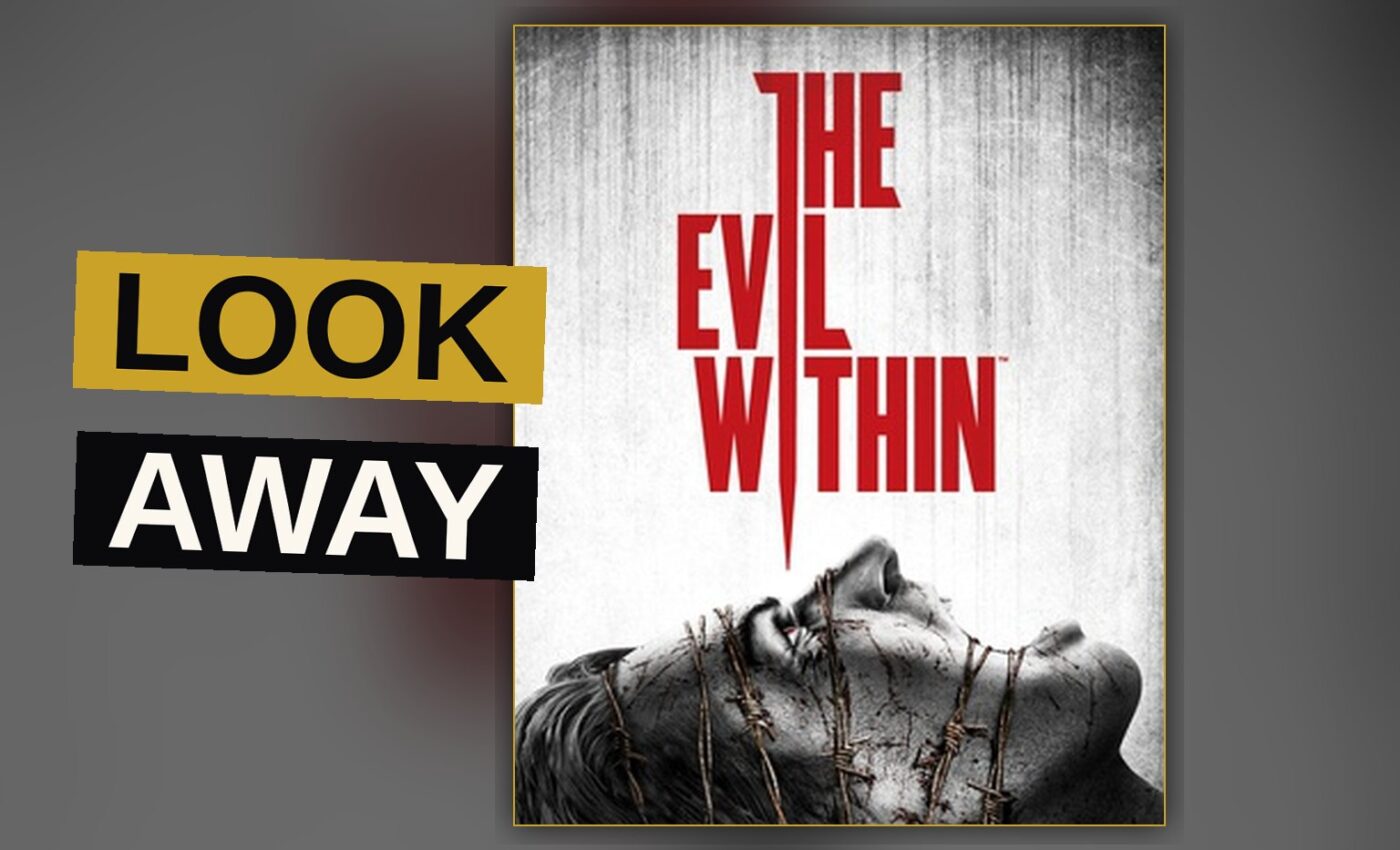
The Evil Within opens on a mass murder at Beacon Mental Hospital and never lets Detective Sebastian Castellanos go home. Shinji Mikami, the creator of Resident Evil, directed this 2014 survival horror game for Tango Gameworks, and Bethesda Softworks published it for PlayStation 3, PlayStation 4, PC, Xbox 360 and Xbox One. It is a game built on dread, scarcity and one very large man with a safe for a head.
Trailer, via IGDBcom.
A Mass Murder at Beacon Mental Hospital
The setup is lean and mean. Castellanos, his partner Joseph Oda, officer Oscar Connelly and junior detective Juli Kidman arrive at the crime scene. A high-pitched noise throws them into an unreal world. Sebastian is separated, chased by a chainsaw-wielding monster, and knocked unconscious.
He wakes in a deranged world where hideous creatures wander among the dead. Krimson City falls to a massive earthquake. An ambulance escape crashes. From there, The Evil Within is a long walk through dark forests and abandoned buildings, hunting whatever force is behind it all.
Ruvik and the Hooded Man
The game’s story has a habit of dissolving just as it gets interesting. Sebastian keeps meeting people who are turning into something else. Connelly succumbs to a strange transformation and a murderous rage, and Sebastian kills him in self defense. Joseph suffers the same affliction and warns Sebastian to be wary of him if he turns.
A disfigured man in a white hood stalks the group. Dr. Marcelo Jimenez identifies him as Ruvik, and the game slowly reveals Ruvik’s history as Ruben Victoriano through memories he plants. It is a lot of mythology delivered in fragments, and the fragments do not always add up.
The Haunted, Reborn Laura and the Keeper
What the game lacks in narrative clarity it makes up for in monsters. The bestiary is the most confident thing here:
- The Haunted, the most common enemy
- Reborn Laura, a multi-limbed, long-haired crawling creature
- Ruvik, the main antagonist
- The Keeper, a large humanoid with a safe for a head who swings a meat tenderizer hammer
The Keeper is the standout. A safe for a head is the kind of image that sticks.
Bear Traps and Green Gel
Played in third person across 15 chapters, The Evil Within wants you to run more than you fight. Bear traps, barbed wire traps, bombs and spike traps litter the levels. Supplies are thin. Stealth and scavenging are not optional.
Sebastian heals with syringes and medical kits. The medical kit expands his health but triggers hallucinations for a short time, which is a genuinely nasty trade. Green Gel vials, hidden throughout, buy upgrades: more ammunition, extra stamina, additional health.
The game world transforms during scripted events and in response to player actions, altering locations and opening new paths or teleporting Sebastian elsewhere. Safe Haven, a mental hospital reached through bright glowing mirrors, holds a save point, an upgrade room and storage safes opened with collected keys.
A Cast Worth Naming
The performances carry more weight than the script. Anson Mount plays Sebastian. Yuri Lowenthal plays Joseph. Kiff VandenHeuvel plays Connelly. Jennifer Carpenter plays Kidman. These are capable actors doing solid work inside a story that keeps pulling the rug without explaining why.
Where The Evil Within Stumbles
The criticism the game earned at release holds up. The story and characters are the weak link. Ruvik’s backstory arrives in fragments that never cohere into a satisfying whole, and Sebastian remains a reactive protagonist rather than a person. The technical issues are real too.
But the horror elements, the gameplay and the atmosphere are the reason to play it. The tension is earned through restraint, not gore alone. Limited resources force decisions, and the transforming environments keep you from ever feeling safe. That combination is hard to pull off, and The Evil Within pulls it off more often than not.
It is also the foundation for something better. A sequel, The Evil Within 2, arrived in October 2017 and had a clearer sense of what it wanted to be.
A 7.5 of 10
The Evil Within is a flawed, frightening game that knows exactly what it is doing when it puts a chainsaw in your path and not enough bullets in your pocket. The monsters are memorable, the scarcity is meaningful, and the atmosphere does the heavy lifting the plot cannot. The story buckles under its own mythology and the technical rough edges never fully smooth out. But as pure survival horror, it lands.
Get the Notebook.
The day's best stories and every fresh verdict, in plain English, in your inbox by seven. One email a day, no more.