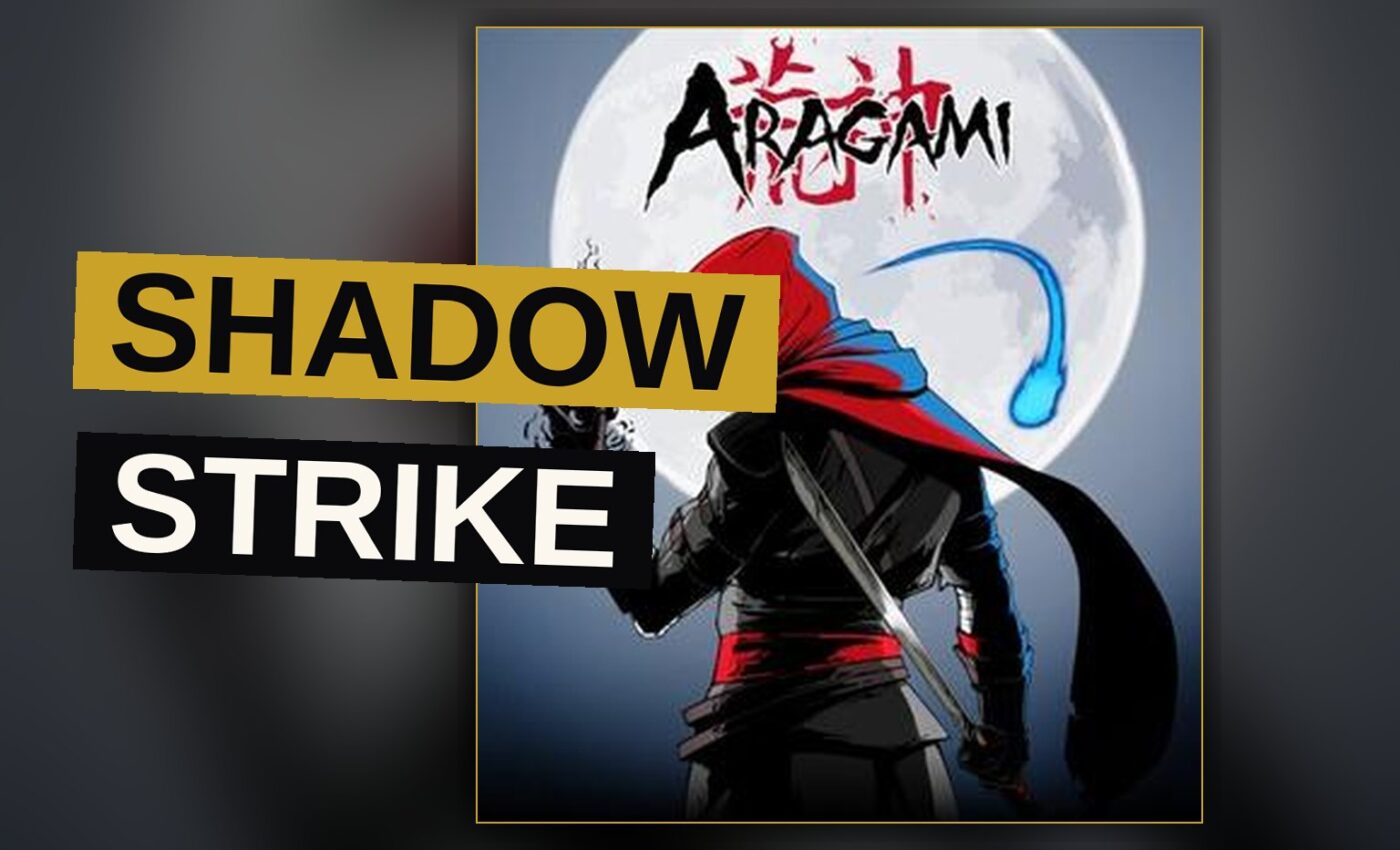
Aragami puts players in the shoes of a shadow assassin who can summon darkness to strike down guards, enemies and cameras alike. The premise sounds simple: sneak in, kill silently, vanish before anyone notices. In practice, the game spends most of its time teaching you how to die quietly instead of letting you enjoy the process.
Trailer, via IGDBcom.
Shadow Assassins
The assassin’s signature move is the shadow strike. When you hold the attack button, a pool of darkness spreads across the screen, revealing the enemy’s position before you strike. It is a clever mechanic, and it works best in tight corridors where a single mistake means instant death.
But the game leans on it too heavily. Missions repeat the same formula: walk through cover, find an enemy, wait for the shadow to reveal him, and take him out. The variety comes from the layout of each level, not from new ways to use the shadow itself.
Stealth Design
The stealth design is solid but narrow. Enemies react to sound and sight, and the game rewards patience over speed. Crouching behind objects lets you watch a patrol pass before moving on. Guards can spot you if you move too fast, and cameras see everything you do.
“The assassin’s signature move is the shadow strike.”
That single line sums up the whole experience. The shadow strike is the one tool you will use constantly, and the game rarely asks you to think beyond it.
Level Variety
Each mission changes where you enter and how you exit, which adds some replay value. Some levels send you through vents and air ducts to avoid detection. Others force you to fight your way past multiple guards. The pacing stays consistent across all of them.
The game does not reinvent stealth. It polishes a familiar shape and fills it with competent level design. Players who want a fresh approach will find little here that feels new.
Difficulty and Death
Death comes quickly in Aragami. A single mistake sends you back to the checkpoint, and the game does not ease off as you progress. That difficulty is part of the appeal for some players, but it also frustrates those who want a calmer pace.
The checkpoints are generous enough that you rarely lose much progress. But the constant threat of failure can make the later missions feel punishing rather than satisfying.
Technical Performance
On PS4, Linux, PC and Mac, the game runs smoothly in most cases. The frame rate holds steady during combat, and the lighting effects sell the dark setting well. There are occasional hitches in busy scenes, but nothing that breaks the immersion.
The controls respond well to the action on screen. The shadow strike executes reliably, and the movement system supports quick navigation through tight spaces.
Length and Pace
Aragami is short by modern standards. The campaign takes about six hours to complete, and the side content adds a few more. That brevity is both a strength and a weakness. The game does not overstay its welcome, but it also leaves little room for extended exploration.
The pacing keeps things moving, and the final missions deliver the most satisfying moments in the game. The opening hours, by contrast, can feel like a slow introduction to mechanics you will use for the rest of the game.
Final Word
Aragami succeeds as a focused stealth game that knows its limits. The shadow strike mechanic is a highlight, and the level design supports it well. But the lack of depth and the punishing difficulty keep it from reaching greatness.
The game is worth playing for players who enjoy stealth titles, but it is not a game that demands a second playthrough. It is a solid entry in the genre, not a landmark.
Get the Notebook.
The day's best stories and every fresh verdict, in plain English, in your inbox by seven. One email a day, no more.