
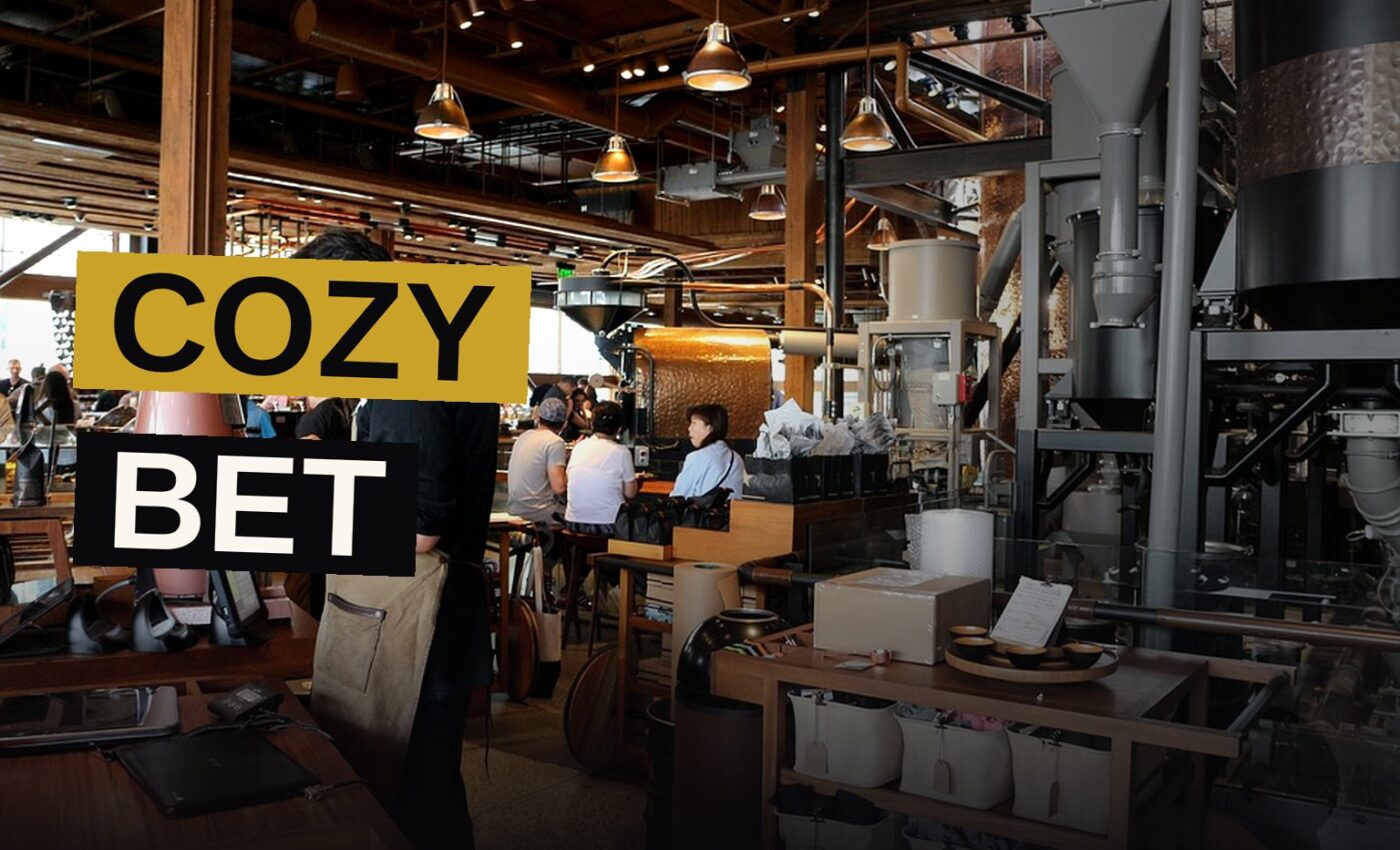
The coffee chain is pouring $1 billion into a push across its North American stores, adding armchairs, rugs, and bookshelves to bring back the feeling of a place where customers can sit and stay. The goal is straightforward: to turn the chain into cozy retreats. But the question remains open: will the expense prove worth it against the return?
Starbucks has announced plans to renovate up to 9,000 stores, with each location receiving roughly $150,000 in improvements. This represents a much smaller investment than past refurbishments, and the work can usually be completed overnight without shutting down the store. The company anticipates around 1,500 upgrades to be wrapped up by the close of September, aiming for a total of 8,000 to 9,000 company-run outlets across North America.
The Turnaround So Far
The upgrades are part of CEO Brian Niccol’s “Back to Starbucks” strategy. The plan has already helped reverse a prolonged sales slump. Global comparable-store sales increased 7.9% in the latest quarter, with transactions up 4.2% and average ticket up 3.5%. U.S. comparable sales also rose 7.9%, showing the recovery is being driven by more than higher prices.
Roughly one-third of U.S. transactions now come from mobile orders, a figure that represents more than double their share in 2019. This shift is what Starbucks is working to address. Over time, the company has grown increasingly built around transactions rather than lingering. The new design aims to bring back the “third place” idea while keeping the convenience that has become central to the business.
What the Upgrades Cost
The total investment comes to $1 billion. Each store receives roughly $150,000 in work. The company is on track to complete about 1,500 upgrades by the end of September, aiming for 8,000 to 9,000 company-operated North American locations.
Since the work wraps up overnight, shops can remain open through the entire process. This differs from earlier renovations, which frequently needed to close. The firm has not stated if it will finish the rest of the stores all at once or spread the effort across several quarters.
The Bull Case
The reasoning behind the wager is simple. A friendlier setting may prompt customers to return more often, add extra items to their orders, and linger longer inside stores, which could turn the fairly small investment in improvements into handsome gains.
Starbucks has already raised its fiscal 2026 outlook. Adjusted EPS is now $2.55 to $2.65, and global comparable-sales growth is expected to be roughly 6%.
The Profitability Problem
The bigger challenge for the turnaround is profitability. Reuters reported that global operating margins dropped to 12.9%, down from 15.8% two years before. In North America, the decline was sharper, with margins falling to 13.6% from 21%.
Starbucks has yet to see its improved sales fully reflected in higher profits, since the company remains committed to its turnaround strategy and keeps investing accordingly.
How the Numbers Break Down
| Metric | Current | Two Years Earlier |
|---|---|---|
| Global operating margin | 12.9% | 15.8% |
| North American margin | 13.6% | 21% |
What hangs over the redesign is whether the sales growth outpaces the margin recovery. Starbucks is spending heavily to get customers back into stores, yet the money spent on renovations does not directly increase revenue. Instead, the company is betting that the upgraded experience will drive more visits, bigger orders, and longer stays.
What Investors Are Watching
The question investors should be asking is whether increased traffic will eventually lead to stronger margins. Sales growth is evident, but profits have yet to catch up.
The company has already raised its fiscal 2026 outlook, including adjusted EPS of $2.55 to $2.65 and global comparable-sales growth of roughly 6%. Those figures suggest the top line is moving in the right direction. The margin numbers tell a different story.
The Timeline Ahead
The deployment is moving fast. Some 1,500 stores should wrap up by the end of September, with the complete goal of between 8,000 and 9,000 locations still to reach.
| Stage | Target |
|---|---|
| Upgrades completed | ~1,500 by end of September |
| Total locations targeted | 8,000 to 9,000 |
The Bottom Line
Starbucks is placing a $1 billion wager on coziness. It is investing $150,000 per outlet to revive the “third place” idea. Sales are trending upwards, yet profit margins remain below their prior levels.
For fiscal 2026, the company has raised its outlook, with EPS guidance now sitting at $2.55 to $2.65 and comparable-sales growth of roughly 6%. The open question is whether the cozy redesign can drive those margins back toward where they stood before the pandemic.
The wager rests with the customer. Should the armchairs and rugs draw more patrons through the door, the enterprise emerges victorious. But should the expenditure fail to lift profits, the $1 billion becomes a costly demonstration of how hard it is to alter how people use a coffee shop.
Starbucks has already demonstrated its ability to drive sales growth. What remains to be proven is whether the company can make those sales more profitable.
Get the Notebook.
The day's best stories and every fresh verdict, in plain English, in your inbox by seven. One email a day, no more.