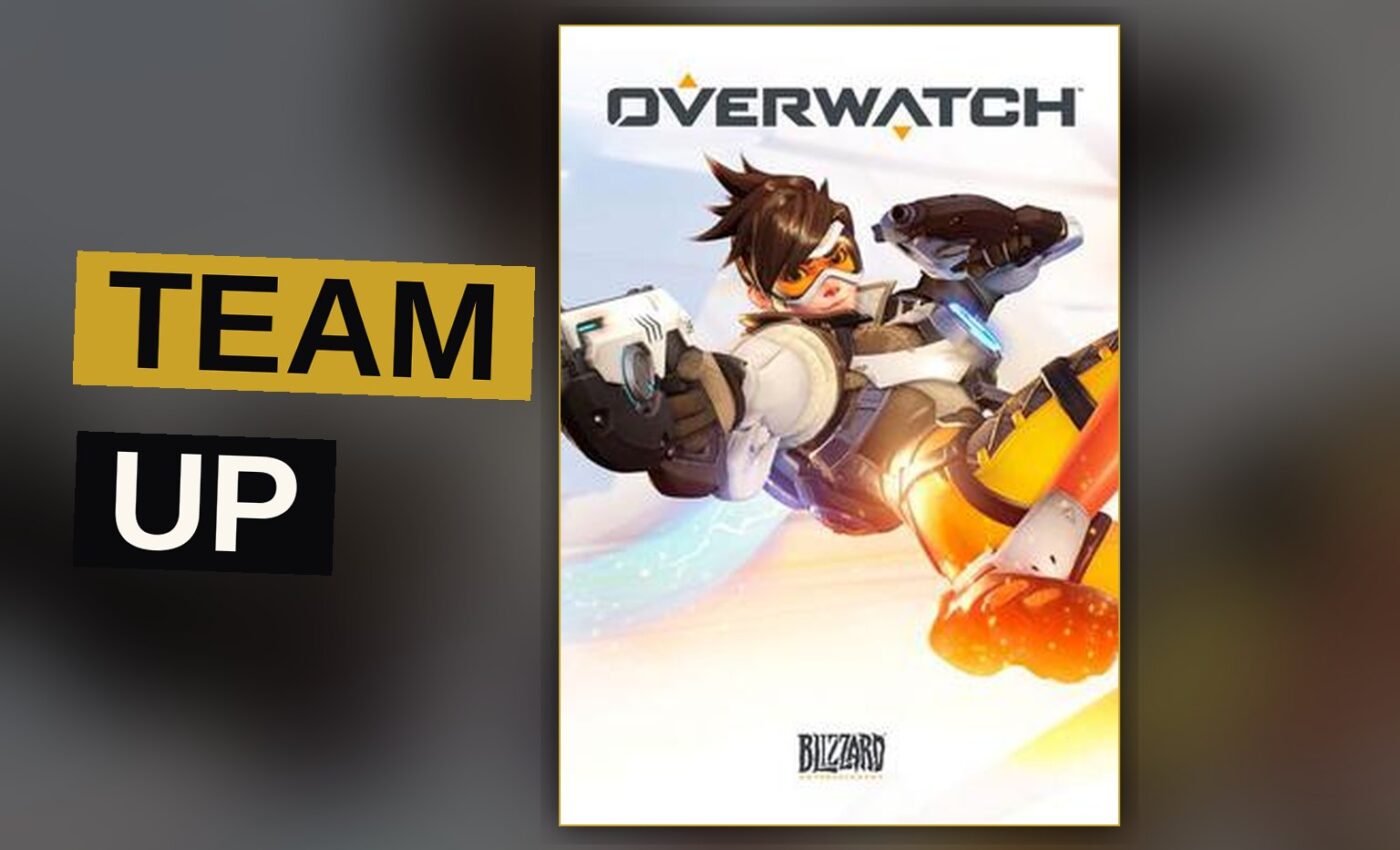
Overwatch launched in May 2016 as Blizzard’s fourth major franchise, a six-on-six hero shooter built on the wreckage of a canceled project. It arrived on PlayStation 4, Windows and Xbox One, and reached Nintendo Switch in October 2019. Cross-platform play followed across all of them. Years of live-service patches later, the original game is still the one worth returning to.
Two Teams of Six and a Roster of Heroes
Every match in Overwatch runs on the same basic shape: two squads of six, each player locked to one hero from a roster that grew past two dozen. Blizzard sorted them into three classes. Damage heroes carry the fight to control points. Tanks soak punishment. Supports heal and buff.
Each hero gets a skill kit — health, run speed, primary fire, active and passive abilities — plus an ultimate that charges only through dealing damage and healing allies. That single rule does more work than any other. It forces players to fight for the meter, not just the objective.
Players can swap heroes mid-match. The design pushes toward dynamic team compositions that answer whatever the other side is running. It is the smartest thing in the game.
Payloads, Control Points and the Overwatch League
Modes center on securing points in sequence or escorting a payload between them, one team attacking while the other defends. Casual play, ranked play and esports support all sit on top of that frame, including Blizzard’s Overwatch League. Deathmatch, capture-the-flag and seasonal one-offs fill out the casual side.
Later updates added scripting tools that let players build their own modes. Players earn experience toward a level regardless of the result, and Blizzard shipped new characters, maps and modes free. The only money a player ever had to spend was on optional loot boxes for cosmetic items.
A War-Torn Earth, Sixty Years Out
Overwatch is set sixty years into the future of a fictionalized Earth, three decades after the Omnic Crisis. Before the crisis, humanity enjoyed a golden age of prosperity and technology. It built AI robots called omnics, put them to work chasing economic equality, and started treating them as people.
Then the automated omnium factories that produced them began turning out lethal, hostile robots that attacked humankind. National militaries failed to stop them. The United Nations formed Overwatch as an international task force to restore order.
Two veterans of the Soldier Enhancement Program ran it: Gabriel Reyes and Jack Morrison. Overwatch quelled the uprising. Then the rift opened — Reyes held the official command, but the ranks saw the more popular Morrison as their real leader. Morrison eventually took Overwatch. Reyes got Blackwatch, the covert division, pointed at Talon and at Null Sector, a group of omnics that revolted against the society that had persecuted them.
What Titan Left Behind
Overwatch exists because Titan died. The massively multiplayer online role-playing game was canceled in 2014. Part of that team looked at the success of team-based first-person shooters like Team Fortress 2 and at the popularity of multiplayer online battle arena games, and built a hero shooter around teamwork instead. Some pieces of the canceled project carried over.
Blizzard unveiled the game at BlizzCon in 2014. A closed beta ran from late 2015 into early 2016, and an open beta before launch drew nearly 10 million players.
The Heroes Carry the Story
Blizzard tells the backstory through animated shorts and promotional material rather than inside a campaign, and that choice shapes everything. Overwatch has no single-player mode to hide behind. The roster is the story: soldiers, scientists, adventurers and oddities, each with a kit that says something about who they are.
A game built on swapping characters mid-match cannot afford a weak roster, and this one does not have one. The classes are legible within a match or two. The ultimates give every fight a second act.
Where Overwatch Still Wins
The best argument for Overwatch now is that its core loop has not aged. Six-on-six with hero swapping produces a specific kind of pressure — you are always either countering something or being countered, and the answer is usually a different character rather than a better aim. That is rare in a shooter.
The free content model deserves credit too. Blizzard added characters, maps and modes at no charge, and kept the paid tier to cosmetic loot boxes. It is a cleaner bargain than most live-service games of its era offered.
The flaws are structural. A game that depends on six strangers coordinating is a game that depends on six strangers. Nothing in the design fixes a bad team.
The Verdict on Overwatch
Ranked by what actually matters here, the pieces line up like this:
- The hero-swap system, which turns every match into a running argument about composition.
- The three-class structure, simple enough to learn in an afternoon and deep enough to argue about for a decade.
- The ultimate economy, which rewards aggression and healing in equal measure.
- The free post-launch content, which kept the roster growing without splitting the player base.
- The backstory delivery, which is inventive but leaves the game itself without a narrative spine.
That last item is the real cost. Overwatch built a fascinating world — the Omnic Crisis, the Reyes-Morrison split, Blackwatch, Talon, Null Sector — and then told almost none of it inside the game. The animated shorts are good. They are also homework.
What the game does inside a match is harder to find elsewhere. Overwatch rewards the player who reads the room over the player with the best reflexes, and it does that without ever explaining itself in a cutscene. That is the whole trick, and it still works.
Overwatch earns a 9.1 out of 10.
Get the Notebook.
The day's best stories and every fresh verdict, in plain English, in your inbox by seven. One email a day, no more.