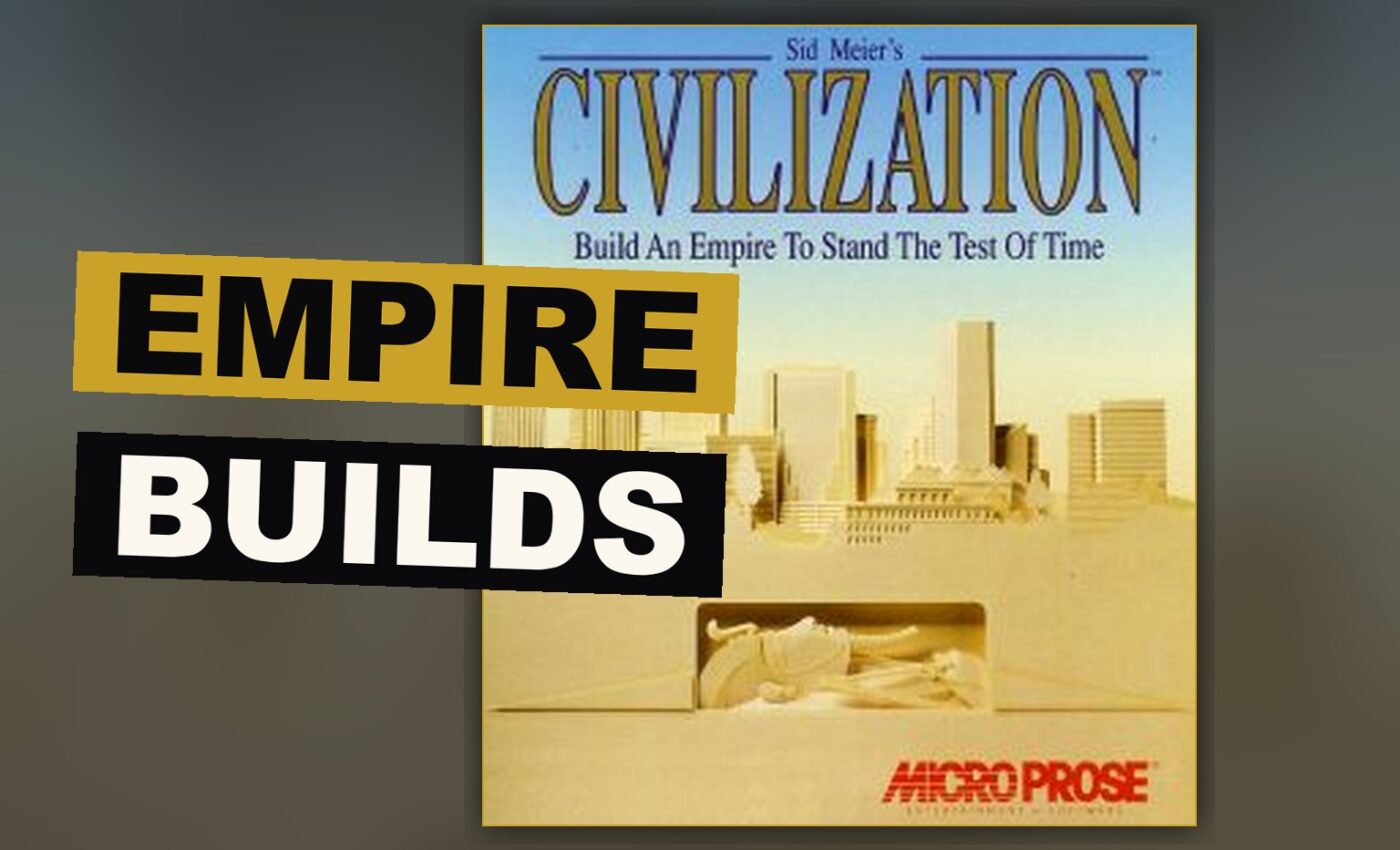
Civilization arrives on the SNES as a full port of the strategy game that built empires on home computers. It asks players to guide a people from a single settler to a modern nation, turn by turn, choice by choice. The controller is not the device this game was built for on the SNES, but the work beneath still holds.
The Core Game
The task is simple to state and hard to master: found cities, grow them, discover new advances, and overcome every rival. Each turn brings a small pile of decisions — what to build, where to move a soldier, which advance to chase next. None of these choices feels small once a few dozen turns have passed and their effects extend across the board.
The game gives players real paths to victory, and part of the pleasure is picking one:
- Overcome every rival civilization by force.
- Race ahead in science, build a ship, and reach another star before any rival does.
Handling a Pointing Device on the SNES
The console port puts a controller in place of a pointer and keyboard, and that trade costs something on the SNES. Menus that once took a single press now take several presses on the SNES controller. Players who know the original PC version will feel the difference first. New players to Civilization may not notice what is missing, but they will still feel how much longer it takes to move through layered lists of choices on the SNES.
Wonders and Building a Civilization
Building a Wonder of the World remains one of the best moments the game offers. Each one changes the shape of a civilization’s future, granting effects that extend across cities for the rest of a game. Watching a small settlement become a capital, ringed by farms and linked by roads, still carries weight that decades of design since have not managed to match.
Where the Pace Eases
The rival leaders can be hard to judge. They will declare war without warning, then ask for peace a few turns later. The game does not explain itself well either — new players will need patience, and likely the printed instructions, to understand what half the numbers on screen mean. The wait between turns grows longer as empires get larger, a real cost on the SNES because the controller must move through the same menus again and again, a burden PC players never had to carry.
The Score This Port Earned
The rating for this port stands at 8.5 out of 10. That number lines up with what stands out while playing it: a deep strategy game that holds together on the SNES despite a controller built for a different kind of game.
Why Players Keep Coming Back
Few games from this time reward repeat play the way Civilization does. Every game plays out in its own way depending on starting position, rival leaders close by and the choices made in the first fifty turns. That variety, more than any single feature, is what keeps players returning long after the credits on other games have rolled.
Sound design is modest, mostly simple tones marking events and turns. Graphics are plain rather than striking, with small sprites standing in for cities, soldiers and land. Neither will impress on its own, but neither gets in the way of the game beneath.
Civilization on the SNES is not the ideal way to play this game, and players who can find the original PC version should probably choose that instead. But for a console audience, this port offered something no other cartridge could: a genuine game built around growing a civilization, deep enough to reward dozens of hours, patient enough to let players learn from their mistakes. The controls take some getting used to on the SNES. The substance does not lose its strength.
Score: 8.5 of 10