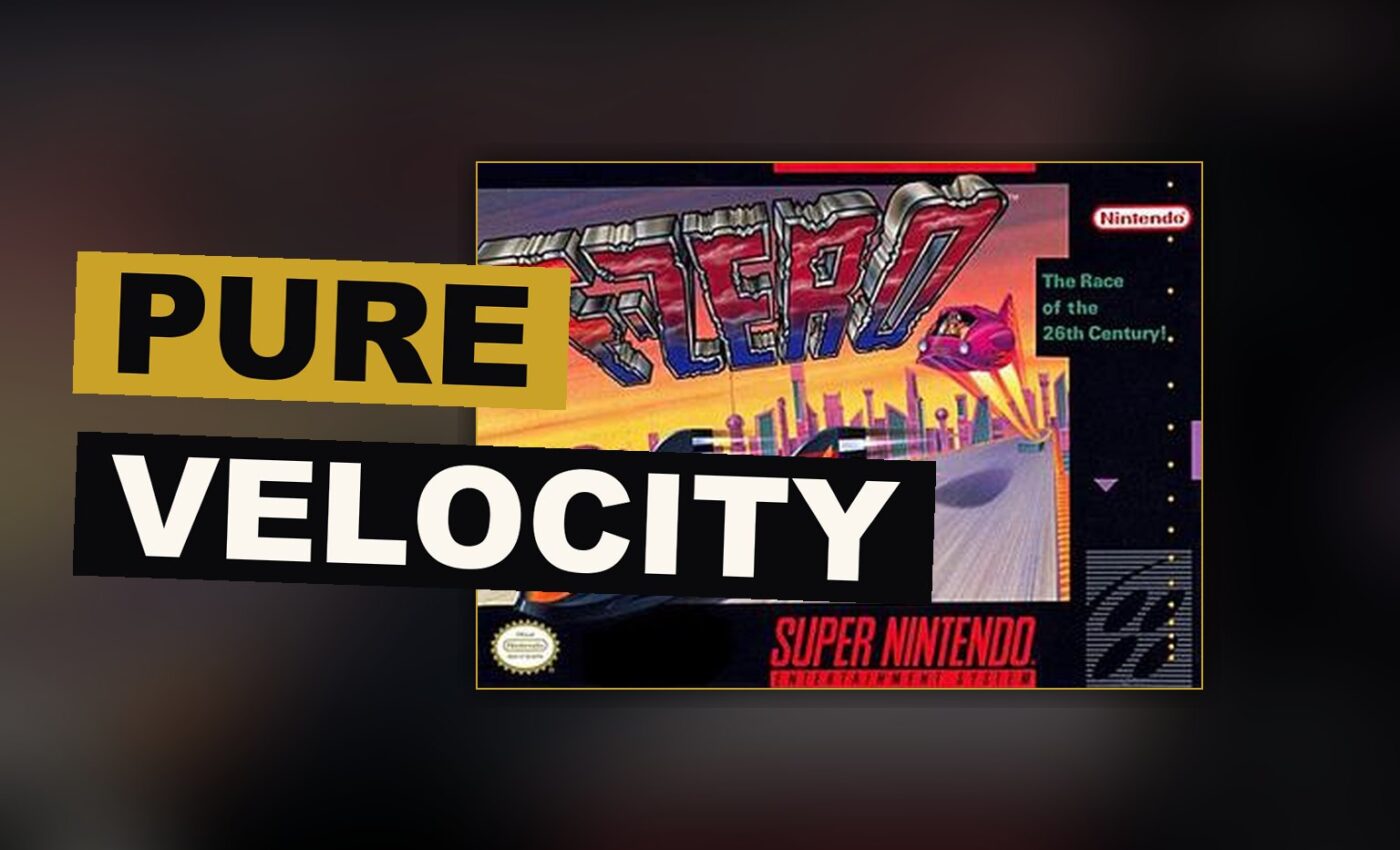
F-Zero puts a racer on a track of pure velocity, and it still feels quick today. The Super Nintendo console’s launch title uses Mode 7 graphics to imitate depth, scaling the track floor as the camera moves forward. The trick works. Roads bend, drop and reach out ahead in a way no console game had shown before.
The Vehicles and the Courses
Four vehicles form the base of the roster, each with its own balance of velocity, weight and handling. One stands out as the machine most players will remember first. The other three force real choices about hold against top velocity.
The course list runs across three leagues, each with its own set of tracks. Some courses run wide and even, forgiving small mistakes. Others narrow into tight turns bordered by hazards that punish a careless driver. The best courses ask a player to learn an arrangement of turns before they can master it.
There is no gun to fire here, no fighting, no items to pick up during a race. Velocity itself is the whole test. Certain parts of the track and a part that restores a machine’s power reward a bold driver who can reach it safely, but hazards take that power away fast, and running low means the machine breaks apart and is lost.
That simplicity is the game’s clearest strength and its clearest limit. Races feel pure, almost exact in their focus on lines, timing and the moment to ease off. But the format offers little change once the core method is learned. A player who gains full skill with the handling model finds little else left to master afterward.
Where It Falls Short
No mode for two people exists, a surprising omission for a title meant to show off new hardware at launch. The game also relies on repeat. Winning a league opens a harder setting on the same tracks rather than new content, which extends the reason to return but does not add to it.
The rivals driven by the game itself can feel less like rivals and more like obstacles in the road, rarely reacting to a player’s position with anything like a plan. That want of change works against the sense of contest the game otherwise builds through its physics and pace.
Ranked by what matters most in a racer built entirely on pace and control, here is where F-Zero succeeds:
- Sense of velocity — the Mode 7 effect truly sells the feeling of racing at high pace.
- Handling model — each of the four vehicles controls in its own distinct way.
- Course design — the best tracks reward memory and careful timing.
- Difficulty setting — harder modes truly test skill on the base courses.
- Reason to return — opening harder modes gives a devoted player cause to come back.
Where it ranks lower: variety of content, a mode for two people and the conduct of the rivals driven by the game all lag behind the core handling.
F-Zero was built to show off what Nintendo’s new console could do, and on that count it succeeds. The graphical trick of scaling the track to imitate depth was rare in its day, and it remains the game’s most discussed feature. Pace, not spectacle, is what keeps races tight from start to finish.
Still, the absence of a mode for two people and the thin content beyond racing itself keep this from feeling like a full package. It is a tight, narrow racer built around one idea done well. Anyone chasing exact lines and quick times will find plenty here. Anyone wanting variety, fighting, or a mode to play against a friend will come away wanting more.
F-Zero remains a display of skill and effort from its time rather than a complete work on every front. It set a path that later racers, including its own sequels, would build on further. As a single experience, it is excellent in short sessions and less compelling over a long extent of play.