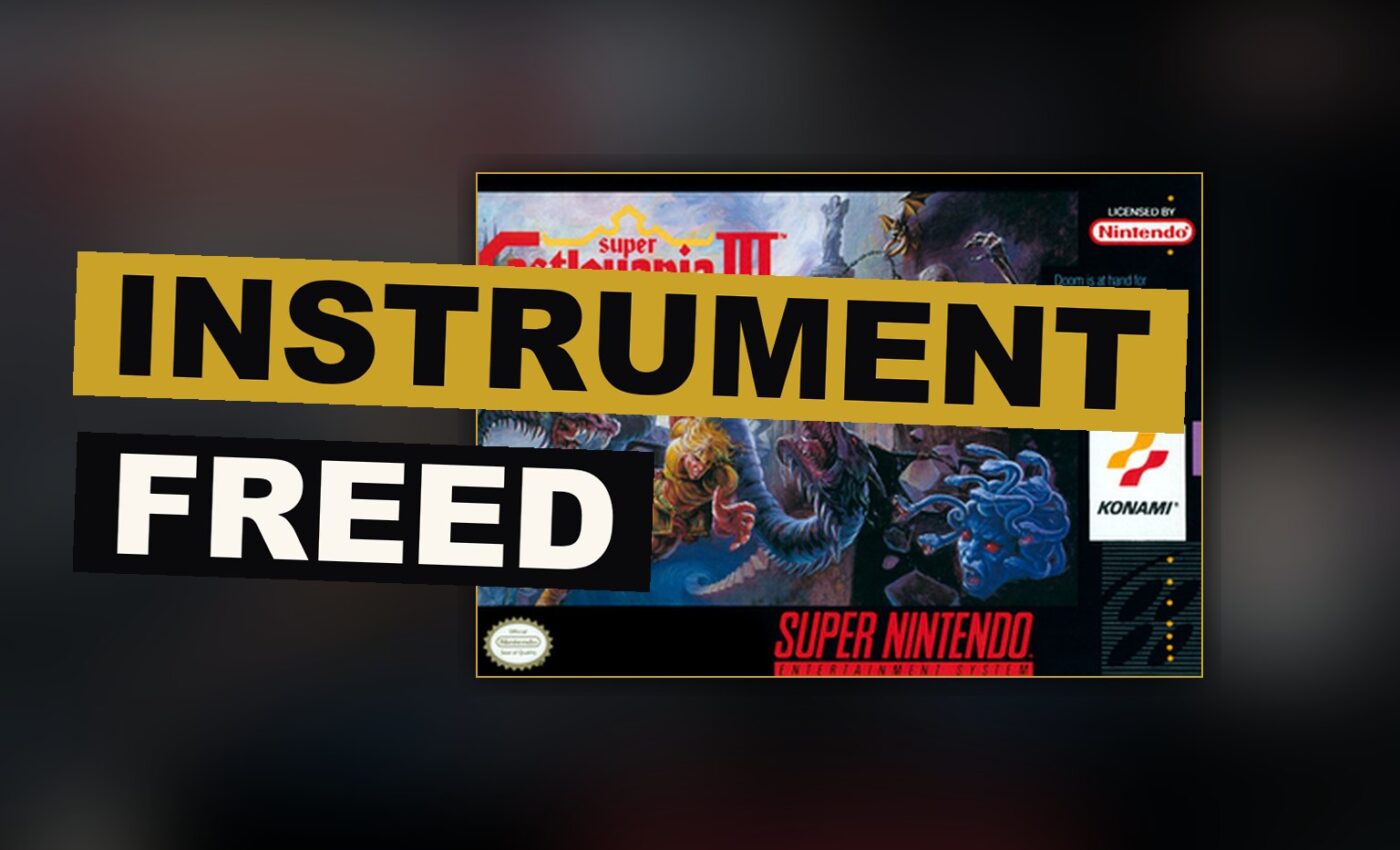
Super Castlevania IV brings Simon back to the Super Nintendo, and his signature instrument finally moves the way players always wanted it to. The 1991 debut title changes the original Castlevania from the ground up, and the result still holds up as one of the system’s strongest games.
How the Instrument Changed Everything
The core update here is control. Simon can now move his instrument in eight directions, strike in a wide arc, and use it to cross a space like a line thrown across. That single change turns the rigid fighting of earlier Castlevania games into something easy to control and quick to read.
Level design backs up that freedom. Rooms turn, bend, and change using Mode 7 effects, turning simple play into something closer to a puzzle. One passage turns the whole screen around the player. It is a small trick, but it never stops feeling clever.
Sound and Look
The score deserves real praise. Tracks like “Simon’s Theme” and the music behind the clock room stages set a tone that mixes dread with pace. The castle itself feels alive, packed with moving statues, falling floors, and enemy positioning that rewards careful timing over pressing buttons fast.
In its look, Super Castlevania IV pushes the hardware of the Super Nintendo hard. Scenery layers and scrolls apart, giving depth to rooms that would look plain on lesser hardware. Character sprites are large and move well, and certain bosses stay well remembered, including one striking foe and the final meeting with the game’s last foe.
Not everything ages perfectly.
- The final stages of the game demand more skill than the early rooms do
- A few enemy movements feel harsh on the first try
- The story is thin, offering little beyond the hunt for the last foe
None of these issues break the game, but they keep it from being perfect. Players used to modern checkpoint systems may find some of the harder rooms hard to accept at first.
By the Numbers
- Title: Super Castlevania IV
- Platform: Super Nintendo
- Launch: 1991
- Kind of game: an action game seen from the side
- Lead character: Simon
Once the credits roll, there is reason to go back. The instrument’s improved reach and the game’s will to try camera tricks make repeat runs feel fresh, even after players know where every enemy waits.
Super Castlevania IV set a new mark for what an action game seen from the side could look and feel like on the Super Nintendo. Its instrument control alone shaped how later games in the series would handle fighting, and its look pushed what players expected from 16-bit hardware. The challenge changes near the end, and the story offers little to hold on to, but neither issue removes what the game gets right.