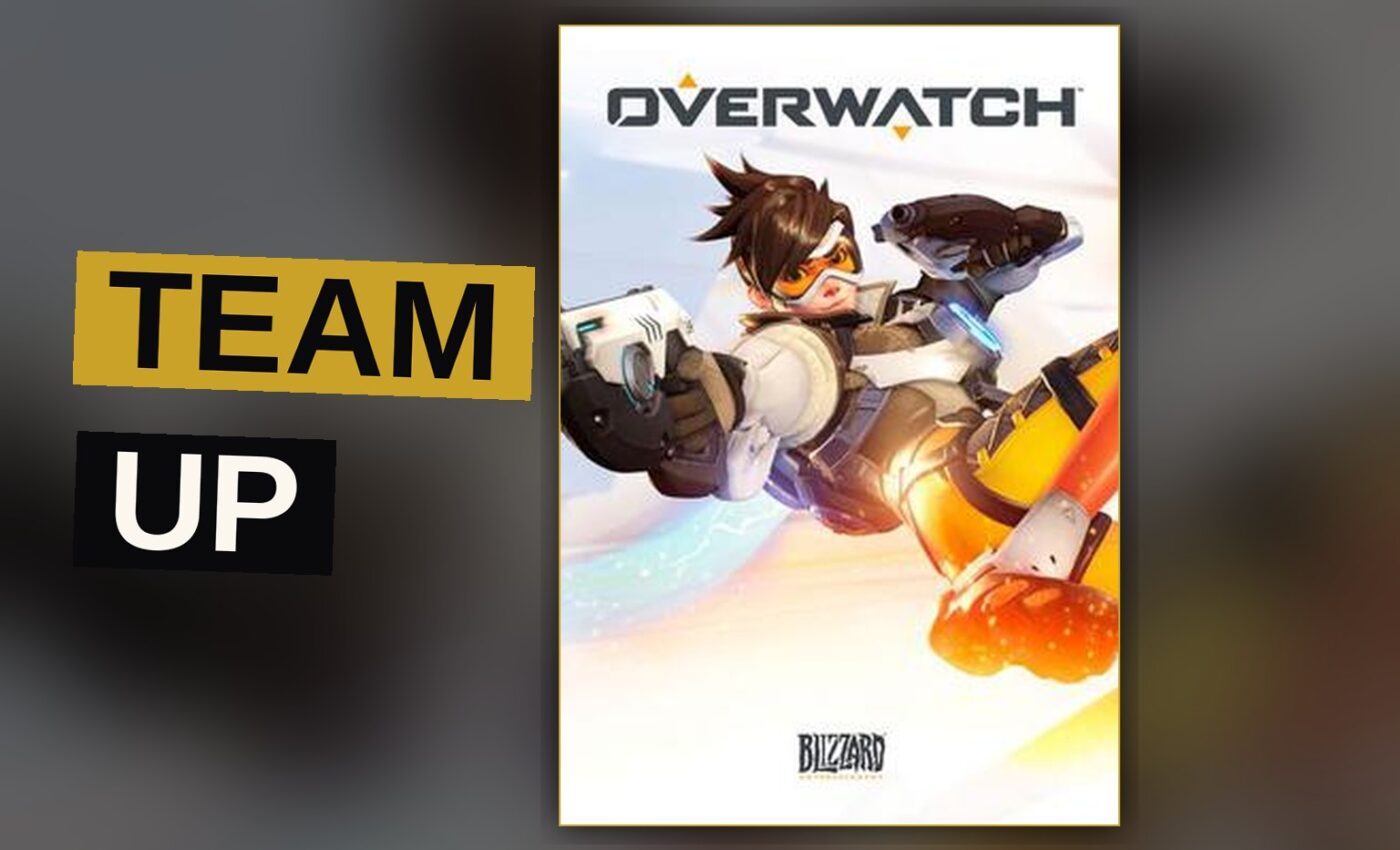
Overwatch puts twenty-one heroes on one battlefield and asks players to work together. On PC, PS4, Xbox One and Switch, that simple idea holds up. This is a team shooter built around roles, not kill counts, and it earns its place among the best games of its kind.
Six Heroes, One Team
Every match in Overwatch starts with a choice: who do you play? Some heroes take the front line and absorb enemy fire so allies behind them can act. Support characters like Mercy keep the team alive with healing and buffs. Damage heroes like Tracer finish the job by picking off targets. No single hero wins a match alone.
That balance is the game’s strongest idea. A team made up only of damage heroes will lose to a team that mixes front-line, support and damage picks almost every time. Overwatch pushes players toward working as a group, and it rewards those who switch heroes mid-match to answer whatever the enemy team throws at them. That flexibility is what separates a good team from a great one. The game gives every player a clear job, and it makes that job matter in every fight.
The roles are not just labels. A front-line hero who steps forward at the wrong time leaves the whole team open. A support hero who falls behind loses the fight for everyone else. Overwatch asks each player to read the match as it moves and to change their approach when the situation calls for it. That constant read and respond loop is what keeps the game fresh after many hours of play.
King’s Row and the Map Roster
The maps matter as much as the heroes. King’s Row is an escort map set in a wet, gray English town square, where attackers push a cart through narrow streets and open squares. Another map splits its fight into two separate capture points set among roofs and gardens in an eastern style. Each map is built for a specific mode — assault, escort, or a mix of both — and the design pushes players toward tight corridors, side paths and higher ground where a well-placed hero can turn a fight.
Dorado, Route 66 and the rest of the map roster all follow the same design approach. Give players more than one path forward. Reward players who learn the map by heart. Make where you stand as important as how well you aim. Position is a skill in itself, and the maps reward players who take the time to learn every corner of them.
A player who knows the high ground on King’s Row can hold a point against a larger force. A player who knows the side paths on Dorado can slip past a front line and strike from behind. The maps are not just backdrops. They are tools, and the best players use them as such. Every map has a rhythm, and learning that rhythm is part of the game’s deeper appeal.
Mercy, Tracer and the Rest of the Cast
Overwatch’s cast carries real personality. Tracer’s cheerful attitude, Mercy’s calm and steady manner, and the quiet decency of the game’s gentler heroes come through in animated shorts and in the voice lines heard during matches. The hero designs are distinct enough that players can tell who they’re up against just from a shape glimpsed across the map.
That holds true in the middle of a fight, too. A sniper’s outline against the sky tells you everything about the danger she poses. A shield-bearer’s stance tells you where the coming fight will be fought. Overwatch gets information across through how a hero looks and moves, not just through menus and numbers on screen.
The cast also gives the game its emotional pull. Players grow attached to their favorite heroes, and that attachment carries over into how they play. A player who loves Tracer will take risks to make a play work. A player who trusts Mercy will stay close to the team and keep the heals flowing. The heroes are not just tools for winning. They are characters with their own appeal, and that appeal keeps players coming back.
Loot Boxes and Cosmetics
Overwatch’s progress system is built around loot boxes, earned through play, holding skins, voice lines, sprays and other cosmetic items. None of it changes how the game plays. Every hero is free to use from the very start, and there is no way to pay for an edge over other players.
That’s a deliberate choice on the part of the makers of Overwatch, and it keeps matches fair no matter how much money a player has spent. Cosmetics matter to those who want to stand out, but they never change how a fight turns out. A player with a rare skin has no advantage over a player with the default look. The only thing that matters in a match is skill, teamwork and timing.
The loot box system does give players something to work toward outside of ranked play. Opening a box after a match carries a small thrill, and the chance of a rare item adds a layer of light fun to the core game. It never gets in the way of the main event, though. The boxes are a side note, not the point of the game.
Ranked Seasons and Skill Ratings
Beyond casual play, Overwatch offers a ranked mode with seasons, skill ratings and matches that decide where a player lands before the season starts. This is where the hero-switching and team-building strategy of the game gets put to the test under real pressure. Teams that talk to each other and change their picks together tend to beat teams that don’t, and the ranking system shows that gap plainly over time.
The ranked mode adds weight to every match played within it. Losing an early match in a new season stings far more than losing a casual round, and that added weight works in the game’s favor rather than against it. It gives players a reason to care about each match, and it gives them a clear measure of their own growth as they move up the ranks.
Ranked play also changes how the game feels. In casual matches, players can try new heroes and take risks. In ranked matches, every pick and every move carries more meaning. The pressure is real, and it brings out the best in the game’s design. Overwatch rewards players who stay calm under that pressure and who make smart choices when the match is on the line.
Switch, Xbox One and Cross-Platform Reach
Overwatch launched on PC, PS4 and Xbox One, and later arrived on Switch. Across all four systems, the core game stays the same: same heroes, same maps, same modes. The controls carry over well to a controller, and aim help on console versions keeps fights fair against players using a mouse, whose hand-eye response can be faster.
Having Overwatch on this many systems matters. It means friend groups split across different consoles can still talk about the same matches, the same heroes and the same maps, even when they can’t play together directly on the same system. The game’s reach across platforms also means a larger player base, which keeps matchmaking fast and keeps the game alive long after its launch year.
The Switch version is a strong fit for the game’s pick-up-and-play nature. Short matches work well on a handheld, and the game’s bright art style carries over without losing its look. Overwatch proves that a team shooter does not need a powerful machine to hold up well.
Ten Years Later, Still Worth Playing
Overwatch has held its shape well since launch. New heroes and maps have joined the roster, but the core loop — pick a hero, fill a role, adapt as the match unfolds — has not needed to change. That says something about how well the game was built from the start. A decade is a long time for any game to stay relevant, and Overwatch has done it by sticking to its strengths.
Few shooters ask this much of their players in terms of give and take between allies, and fewer still make that give and take feel rewarding rather than like a task. Overwatch manages both. The game asks for teamwork, and it makes that teamwork feel good. That is a rare combination, and it is the reason the game has lasted.
The game’s staying power also comes from its clarity. Every hero has a clear job. Every map has a clear shape. Every match has a clear goal. Overwatch never hides its design behind needless layers, and that directness is part of its appeal. Players always know what they are supposed to do, and they always know why it matters.
The Numbers
- Platforms: PC, PS4, Xbox One, Switch
- Release year: 2016
- Hero roster at launch: 21
- Game modes: Assault, Escort, Hybrid, Control
- Progress system: Loot boxes (cosmetic items only)
- Review score: 9.1/10
Overwatch succeeds because it never loses sight of its central idea: six players, one team, one goal. The hero designs are sharp, the maps are built with real thought behind them, and the loot box system stays well out of the way of fair play. Few team shooters manage this much heart and this much depth at the same time.