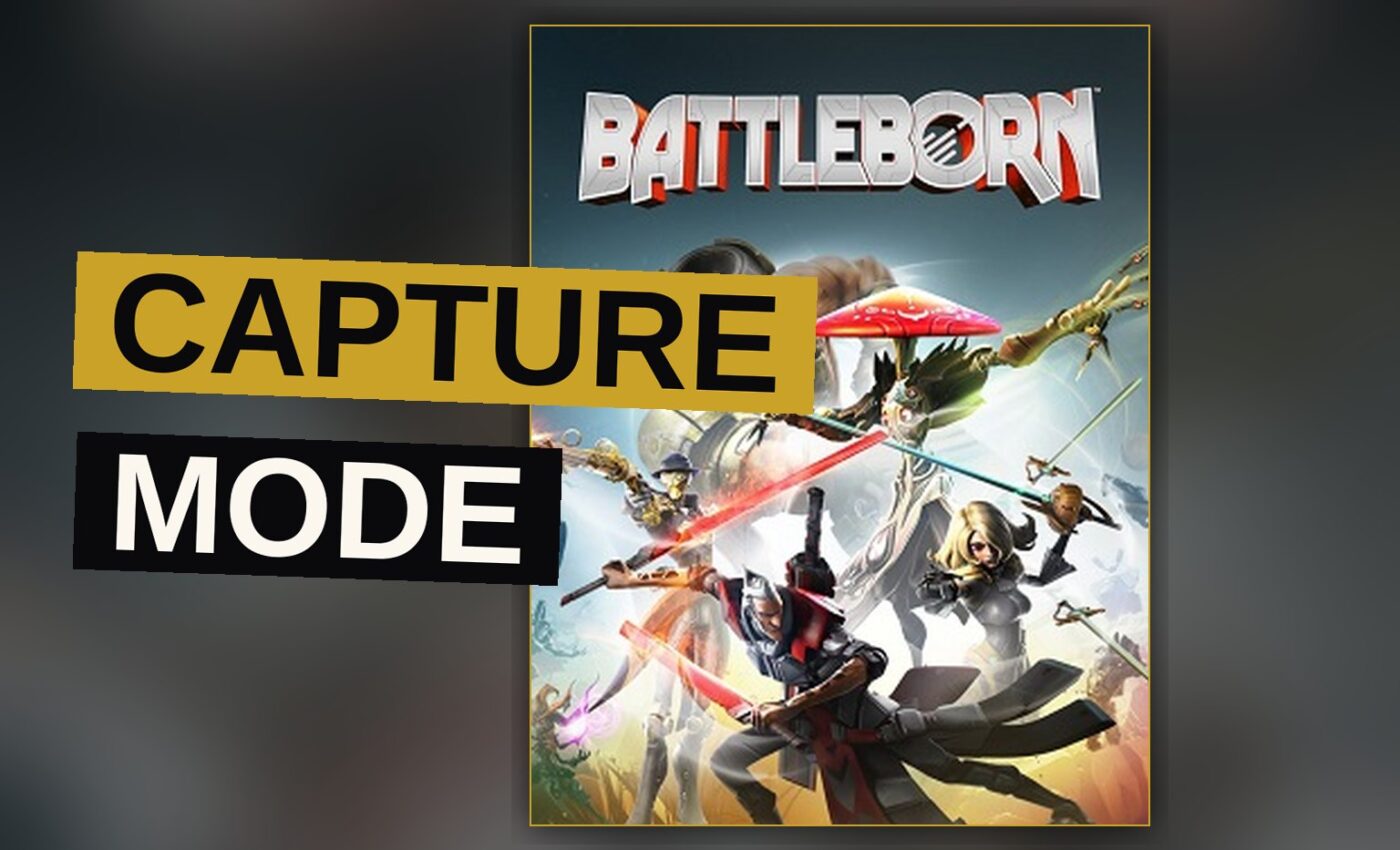
Battleborn is a MOBA-style shooter built around a roster of heroes each with their own distinct abilities, and it was released for PS4, PC, and Xbox One in 2016. Gearbox Software took the basic shape of team-based combat and tried to shake it up by giving every hero a different skill set, and the result is a game that feels fresh in parts and rough around the edges in others.
Trailer, via IGDBcom.
Heroes and Their Abilities
The core idea is simple: pick a hero, use their unique power, and fight alongside four other players to hold or break through enemy lines. Each hero has a primary attack, a secondary attack, and a signature ability that changes the way a fight plays out. Some heroes are built for dealing damage from a distance, while others trade health for raw power or can heal themselves in the middle of a fight.
The variety is the strongest part of Battleborn. A team made up of a healer, a tank, a ranged attacker, and two fighters rarely plays out the same way twice, and the design pushes teams toward mixing roles rather than copying each other.
The Capture Mode
The capture mode is where Battleborn’s identity comes through most clearly. Teams fight over control points on a map, and holding enough of them for long enough wins the round. The mode rewards coordination and punishes players who wander off on their own, since a single hero caught outside the team can lose a point for everyone else.
The capture mode is where Battleborn’s identity comes through most clearly.
That structure also means the pace can slow during lulls, since the game waits for a point to change hands before advancing the clock. Players who prefer constant action may find those pauses frustrating, especially when a point gets stuck between two teams.
The Campaign
The campaign runs separate from multiplayer and tells a story about the heroes’ home planet, which is under threat. It’s a short, linear adventure that uses the same capture mode rules but with fewer players and less chaos. The story itself is thin, mostly used to set up the cast of characters rather than build a strong narrative arc.
The campaign isn’t a selling point for Battleborn, but it gives new players a chance to learn the controls and the feel of the capture mode before jumping into the main game. It’s a small package, not a reason to buy the game on its own.
Technical Rough Edges
Battleborn launched with a rough patch. Frame drops were common during matches, and the game struggled to keep pace on lower-end hardware. That performance trouble affected how tight fights felt, since the game’s fast pace depends on quick reactions, and delays made it harder to land shots and abilities at the right moment.
The rough edges weren’t just technical either. The tutorial system was thin, and the game didn’t always explain clearly why a particular ability mattered or how best to use it. New players could spend a few matches feeling lost before they understood what each hero was actually supposed to do.
The Free-to-Play Model
Battleborn started as a free-to-play game, letting players try it out without paying for anything, and later shifted to a paid model. The move changed how players access content, and it wasn’t always smooth.
The game’s progression system is built around experience earned in matches, which feeds into a leveling system that unlocks new heroes and cosmetic items. That structure rewards playing the game regularly, but it can also frustrate players who want access to new heroes immediately rather than waiting through the early ranks.
What Works Well
Battleborn succeeds when its systems click together. The capture mode works as intended, the hero variety keeps matches interesting, and the signature abilities give each player a sense of purpose. The game is at its best when a team of five players communicates well and moves as a unit.
The game also handles team composition well, encouraging players to mix roles rather than copy each other. A team with a healer, a tank, a ranged attacker, and two fighters rarely plays out the same way twice, which keeps matches from feeling stale over time.
Where It Falls Short
The rough edges were the biggest problem for Battleborn. Frame drops, delays, and thin explanations kept the experience from feeling polished, and some players may have put the game down before getting past the initial rough patches.
The campaign doesn’t offer much beyond a brief introduction to the world, and the free-to-play model shift left some players feeling locked out of content they had expected to access freely.
- The capture mode is where the game’s identity comes through most clearly.
- The hero variety keeps matches interesting.
- The campaign is thin and mostly serves as a tutorial.
- Frame drops and delays hurt the pace of play.
- The free-to-play model shift left some players feeling locked out.
Battleborn is a game with a strong idea at its center — a MOBA-style shooter with a rotating roster of heroes — but rough edges kept it from reaching its full potential. The capture mode works, the hero variety is impressive, and the campaign is a minor annoyance rather than a major problem. The technical troubles and thin explanations, though, kept the experience from feeling complete.
Get the Notebook.
The day's best stories and every fresh verdict, in plain English, in your inbox by seven. One email a day, no more.