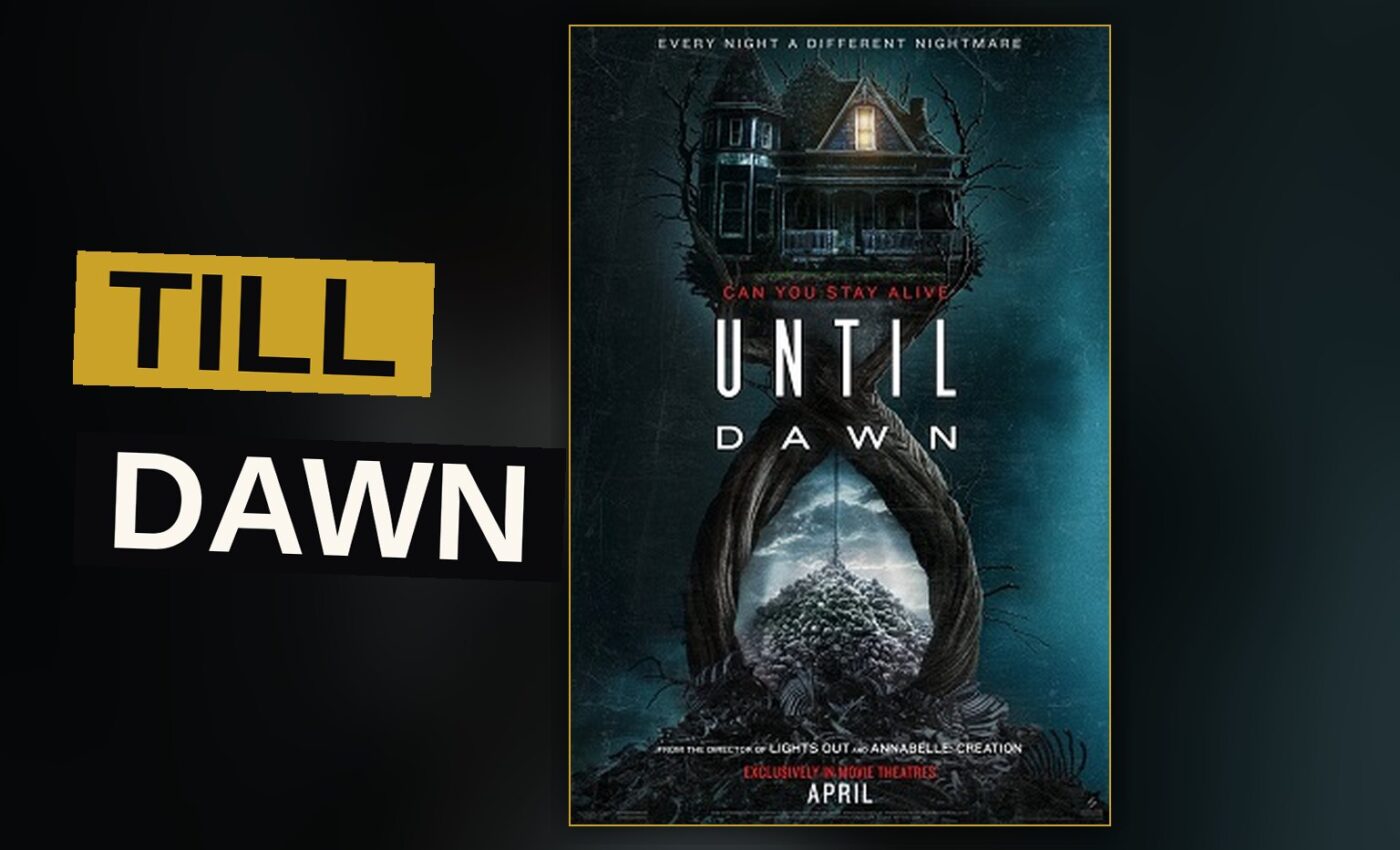
Until Dawn is a horror game built around choices, and it knows exactly what it wants to be. Developed by Supermassive Games and published by Sony Computer Entertainment, it launched in 2015 for the PlayStation 4. The game puts eight teenagers in a remote mountain lodge during a storm, and it spends six hours turning every decision into a possible death. It is a bold experiment in branching narrative, and it mostly works.
The premise is simple. Eight friends — Chris, Hannah, Mike, Nathan, Sam, Asha, Olivia and Jess — are trapped in a cabin after a snowstorm cuts off the roads. They are trying to survive the night, but the cabin holds secrets. A serial killer called the Wraith has been stalking the area for years, and the group’s past mistakes keep catching up with them. The game hands you a controller and a list of commands, and it asks you to make choices about who lives and who dies.
The Branching Narrative
Until Dawn is structured around a branching narrative. That means every choice you make forks the story into a new path. The game tracks your decisions, and it reshuffles the ending depending on who survives and who dies. This is the core of the experience, and it is also the biggest risk. The game is designed to be replayable, and it rewards you for seeing multiple endings.
The system works well in theory. You can choose which character to follow, which door to open, which conversation to interrupt. The game remembers your actions, and it changes the outcome accordingly. In practice, the branching is limited by design. The game has a finite set of endings, and once you see one, the replay value drops. The game is best played through once, and then it becomes a curiosity rather than a compulsion.
The choices themselves are often blunt. You might choose to save one friend at the cost of another, or you might choose to investigate a room that leads to a death. The game is honest about this. It tells you directly that your choices matter, and it shows you the consequences. This transparency is both a strength and a weakness. It removes some of the mystery, but it also makes the stakes feel real.
The Characters
The characters are the heart of Until Dawn. Each one carries a secret, a trauma, and a motive. Chris is the leader, Hannah is the skeptic, Mike is the comic relief, Nathan is the jock, Sam is the outsider, Asha is the wildcard, Olivia is the damsel, and Jess is the survivor. The game gives each of them a moment to shine, and it forces you to care about who lives and who dies.
The writing leans heavily on drama and melodrama. There are fights, betrayals, and revelations. The game is at its best when it lets the characters breathe. When it tries to be too clever, it loses focus. The dialogue is often overwrought, and the pacing suffers. But the performances are strong, and the voice acting sells the tension.
The Horror
Until Dawn is a horror game, and it tries to scare you. It uses jump scares, dark corridors, and unseen threats to build dread. The game is at its most effective when it slows down and lets you wait. The tension is palpable, and the fear is real. The problem is that the game is inconsistent. Some sections are genuinely frightening, while others feel like filler.
The Wraith is the main antagonist, and he is a presence rather than a character. He stalks the halls, and he kills without warning. The game is careful not to overuse him, but it also doesn’t give him enough screen time. The result is a villain who feels more like a tool than a threat.
The game also uses a timer to create urgency. You have limited time to make a choice, and the game warns you when you are running out. This creates a sense of panic, but it also frustrates. You might miss a prompt, and the game punishes you for it. It is a fair system, but it is also unforgiving.
The Visuals
Until Dawn looks good. The graphics are sharp, and the lighting is moody. The game uses a cinematic approach, with wide shots and close-ups. The characters are expressive, and the environments are detailed. The game is set in a remote cabin, and the setting feels lived-in. The snow outside is cold, and the fire inside is warm. It is a contrast that works.
The sound design is excellent. The music swells at the right moments, and the ambient noise is unsettling. The game uses audio cues to hint at danger, and it rewards you for listening. The voice acting is also strong. The cast delivers their lines with conviction, and the chemistry is believable.
The Technical Issues
Until Dawn is not perfect. It has a few technical problems that are worth noting. The game is prone to loading times, and the frame rate dips during busy scenes. These issues are minor, but they are noticeable. The game is also demanding of hardware, and it requires a powerful console to run smoothly. It is a shame, because the game deserves a smoother performance.
The game also has a few bugs. Some choices don’t trigger the expected outcomes, and some scenes glitch. These are rare, but they are frustrating when they happen. The game is also repetitive in its structure. The six-hour runtime is broken into chapters, and each chapter follows a similar pattern. This repetition can wear on you, especially during the second playthrough.
The Replay Value
The replay value is the big question. Until Dawn is designed to be replayed, but the replayability depends on your interest in seeing the endings. The game offers multiple paths, but the differences are often subtle. You might see a different death, or a different scene, but the overall shape of the story stays the same. The game is better as a single playthrough than as a marathon.
If you want to see everything, you need to start over. The game does not let you skip content, and it forces you to relive the same scenes. This is a deliberate choice, but it is also a limitation. The game is best enjoyed as a one-time experience, and it is strongest when you are present in the moment.
The Final Verdict
Until Dawn is a solid horror game with a unique identity. It is ambitious in its structure, and it is confident in its execution. The game is flawed, but it is also memorable. It is a game that you will talk about afterward, and it is a game that you will think about later.
The game earns an 8 of 10. It is a strong entry in the genre, and it stands alongside other interactive thrillers. It is not a masterpiece, but it is a good game. It is worth playing, and it is worth discussing. It is a game that rewards your attention, and it is a game that deserves your time.
The game is available on PS4, and it is a good purchase if you are interested in horror or narrative games. It is a game that you should play with a group, because the experience is better shared. It is a game that you will remember, and it is a game that you will regret missing.
Here is a quick breakdown of the game’s strengths and weaknesses:
- The branching narrative is ambitious and well executed.
- The characters are memorable and well acted.
- The horror is effective when it is slow and tense.
- The visuals are sharp and moody.
- The replay value is limited by the fixed structure.
- The technical issues are minor but noticeable.
- The pacing is uneven, with filler sections between the peaks.
Until Dawn is a game that you will either love or tolerate. It is not for everyone, but it is a game that you will not forget. It is a game that you will talk about with your friends, and it is a game that you will replay to see the endings. It is a game that is worth playing, and it is a game that is worth remembering.
Get the Notebook.
The day's best stories and every fresh verdict, in plain English, in your inbox by seven. One email a day, no more.