
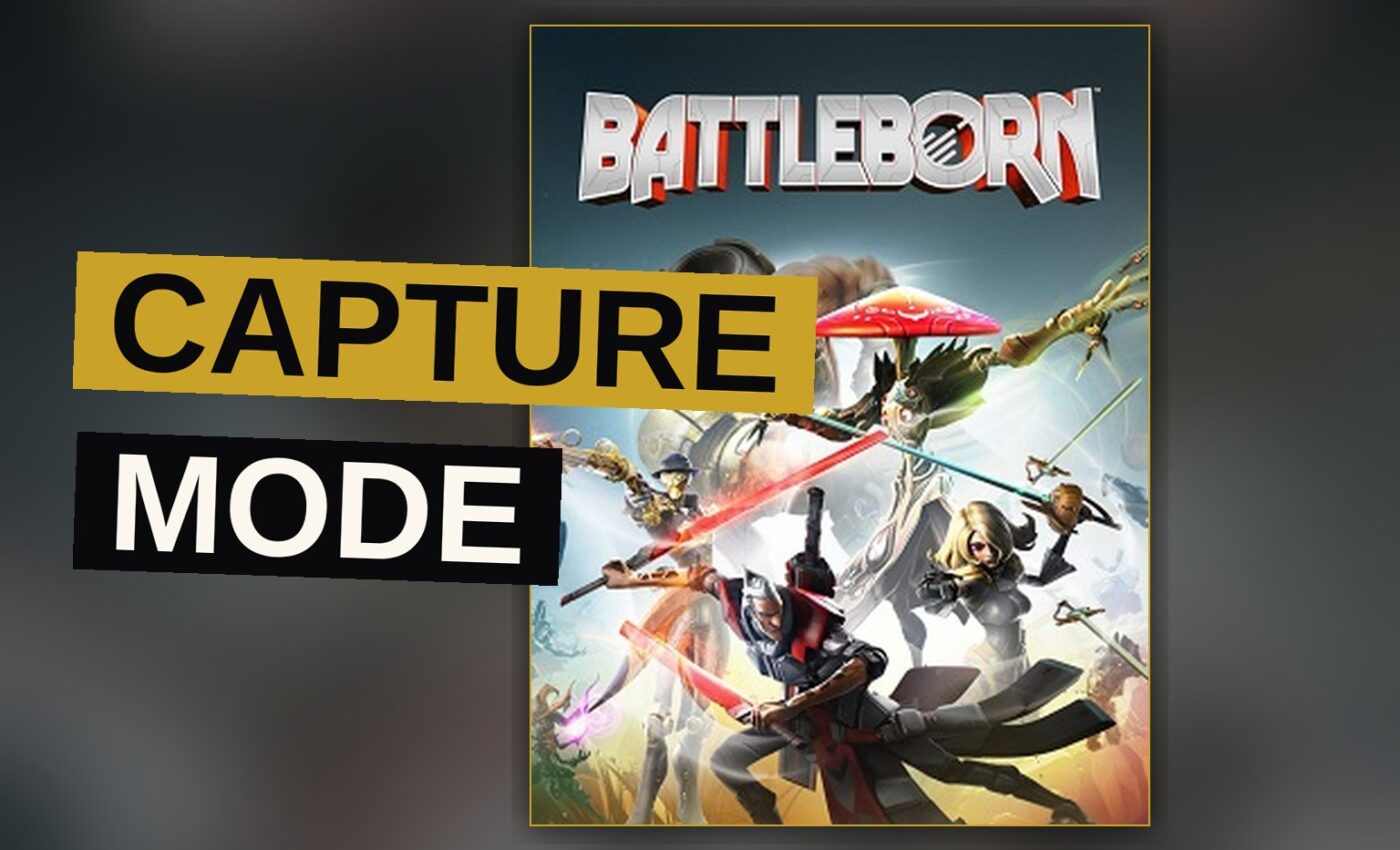
Battleborn arrived on May 3, 2016, for PlayStation 4, Windows and Xbox One, built by Gearbox Software and published by 2K. It was a free-to-play first-person hero shooter with elements of multiplayer online battle arenas, and it asked players to learn a lot before it gave anything back.
That ask is the whole story of this game, 10 years on. Battleborn is deep, strange and frequently excellent once it clicks — and it makes the click cost more than most players were willing to pay.
Trailer, via IGDBcom.
Five Factions and One Dying Star
Battleborn is set in a space fantasy future where nearly every star in the universe has gone dark at the hands of the Varelsi. One light remains: Solus. Survivors of the catastrophe fled there, split into five factions based on their beliefs, and from those factions emerged the battleborn — fighters sent to hold what little is left.
The plot opens with Lothar Rendain, leader of the Jennerit Imperium, on a rampage destroying stars. Trevor Ghalt, captain of the United Peacekeeping Republics, forms a coalition to save Solus. The first mission puts you in the role of Mellka, an Eldrid operative ordered to meet Deande, a former Jennerit assassin. Rendain offers Deande one last chance to prove her loyalty. She refuses.
After that, the campaign opens up. You pick any battleborn for the next mission, which tasks you with defeating ISIC and turning him into an ally. The third mission has you escorting an M7 Super Sentry and killing the Varelsi Conservator. Console versions allow split-screen co-op in every mode, which is rarer than it should be and worth naming.
The Helix Tree Is the Best Idea Here
Every mode starts the same way: you pick a pre-defined hero with unique attributes, attacks, powers and skills, some of them magic, some of them area-of-effect. You also pick a loadout of up to three gear pieces earned in previous matches.
Gear runs on shards, the in-game currency you collect during a match. Each piece costs shards to activate, stays active for the rest of the match, and can boost or cut your base attributes or add something new. Shards also activate special turrets on maps, which turns a currency into a tactical decision. That is a good piece of design.
Heroes start each round at combat level 1. Kills and objectives earn experience. Every level offers a choice of two or more perks along that character’s Helix Tree, including the ultimate ability at the top. These levels reset when the match ends.
Choose from a myriad of powerful heroes and fight together alongside your friends in an intense co-operative campaign, or battle against them in fast-paced competitive multiplayer matches.
The meta-game is separate. Command level applies across all characters. Character levels unlock new Helix perks, alternate outfits and cosmetics. Higher command levels unlock more characters. Randomized gear drops work like the Borderlands series’ randomized weapons, and gear can also be bought through microtransactions.
Learning the Systems Costs More Than It Should
The Helix Tree is where Battleborn earns its keep. Two players on the same hero can build differently in the same match, and the choices are real ones — a buff now against an ultimate later, area damage against single-target. Randomized gear layered on top means your loadout is partly yours and partly luck.
None of that is legible on day one. Reviewers at launch cited the difficulty of learning the complex systems, calling them deep and rewarding once understood but off-putting to new players. That is the correct read, and it has not aged into a wrong one. Battleborn does not do enough to teach its own best ideas. It hands you a Helix Tree and a shard economy and leaves you to work out why either matters.
Overwatch Landed Two Weeks Later
Blizzard Entertainment released Overwatch a few weeks after Battleborn. It was another hero shooter, and it pulled a large share of Battleborn’s player count within the month. Gearbox responded with adjustments to pricing and downloadable content.
That timing is the single most important fact about this game’s commercial life, and it is not a knock on the design. Overwatch was faster to read and easier to enter. Battleborn asked for patience in a month when nobody had any.
Gearbox’s response — price cuts, downloadable content adjustments — was a reaction to a player-count problem, not a fix for the learning curve. The people who left in May 2016 were leaving a game that had not yet explained itself to them. Whether they would have stayed with more time is a question the record does not answer.
What Battleborn Actually Gets Right
The co-operative campaign is the strongest argument for the game. Five factions’ worth of heroes, each with distinct attacks and powers, dropped into missions that reward coordination. The ISIC fight and the M7 Super Sentry escort, to this writer’s eye, are built to make a team split roles rather than stack damage. Split-screen co-op on consoles makes that easier to actually do with people in the room.
Competitive multiplayer is where the arena inheritance shows. Shard turrets, objective play, resource pressure — it is a shooter that wants you to think about the map as a resource map, not just a sightline. That is a harder sell than a pure deathmatch, and Battleborn never pretended otherwise.
The tone is a mix of action, fantasy, science fiction and comedy, and it mostly lands. A dying universe with five squabbling factions is a setup that supports jokes without undercutting stakes.
The Release Schedule That Buried It
| Date | Event |
|---|---|
| May 3, 2016 | Battleborn launches worldwide on PlayStation 4, Windows and Xbox One |
| Weeks after launch | Overwatch releases; Battleborn player count drops sharply within the month |
| Following the drop | Gearbox adjusts pricing and downloadable content |
That table is short, and that is the point. Battleborn had one window to make its case and it opened onto a competitor that did not require a wiki.
A 7.3, and What It Means
Battleborn’s published critical aggregate is 7.3 out of 10, drawn from 16 outlets. That is the right number for a game with a genuinely good core idea wrapped in an onboarding problem it never solved.
The Helix Tree, the shard economy, the randomized gear, the split-screen co-op — these are not consolation prizes. They are the work of a studio that understood what a hero shooter could be if it borrowed from multiplayer online battle arenas instead of pretending it hadn’t. The campaign’s faction politics and the Rendain-Deande thread give the shooting somewhere to go.
What holds Battleborn at 7.3 rather than higher is the cost of entry. A game this dense needs to teach, and Battleborn does not teach enough. It trusts the player to find the depth, and the players who found it got a shooter with more going on than almost anything else in 2016. The players who didn’t found a game that felt like homework and left.
The Overwatch comparison is fair but incomplete. Overwatch was the easier game to pick up, and it landed in a month that rewarded exactly that. Battleborn incorporated first-person shooter and multiplayer online battle arena elements in one package, and the record shows it never got the audience it needed to prove the combination out.
Play it now, with a full team and someone who already knows the Helix Tree, and the 7.3 looks low. Play it alone on day one, and it looks generous. That gap is Battleborn’s whole story — and it is a story about a game that is no longer running.
7.3 of 10.
Get the Notebook.
The day's best stories and every fresh verdict, in plain English, in your inbox by seven. One email a day, no more.


