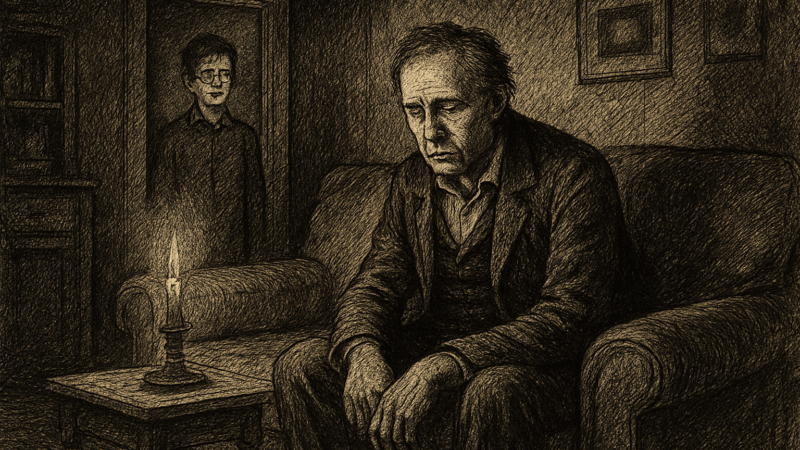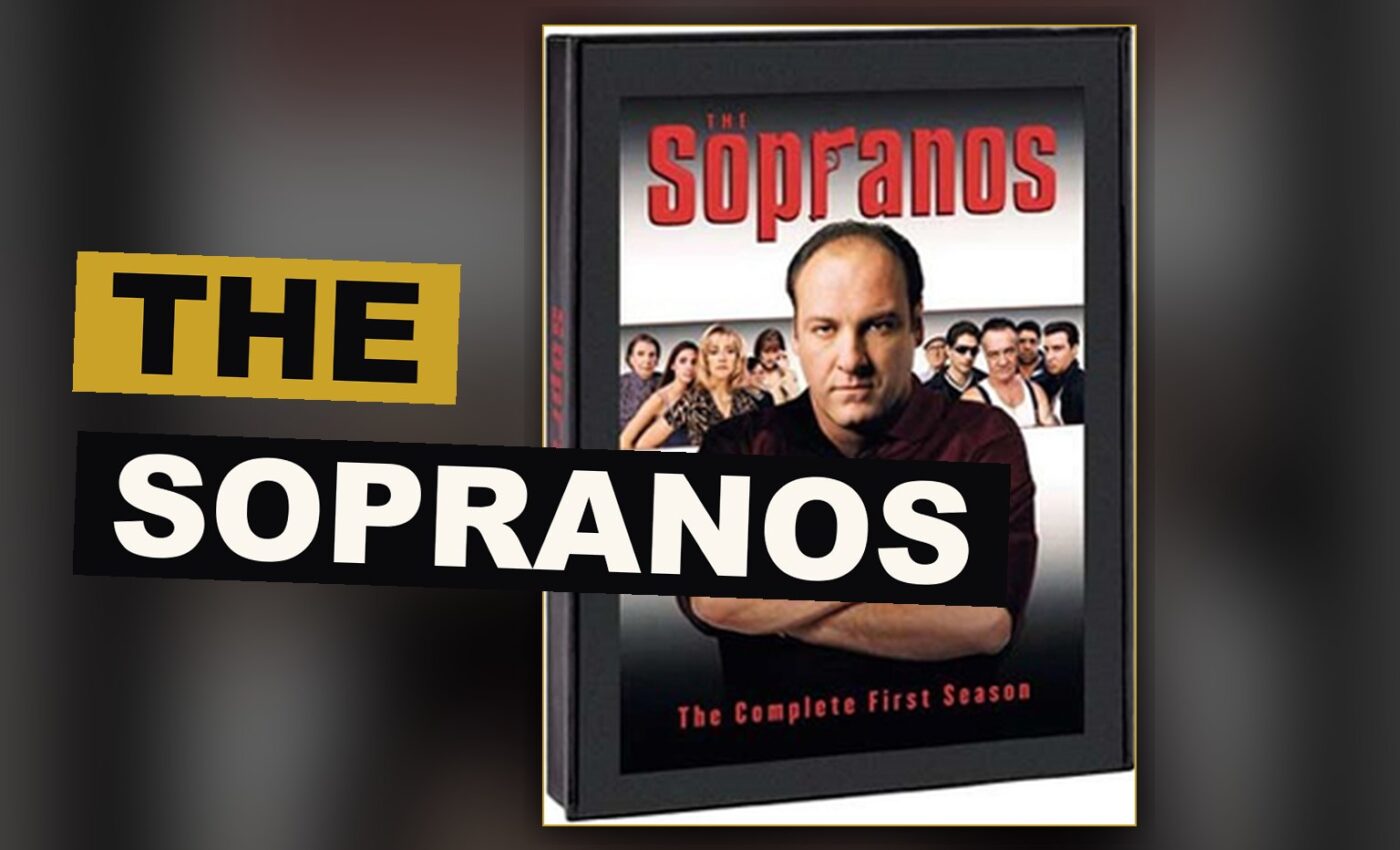
There exists, among the melancholy great number of works offered to the public, a singular device of narrative art that David Chase, with dreadful patience, put together between 1999 and 2007, and which the world has come to call The Sopranos. It is a work of such extraordinary and dark power that few who behold it remain unmoved, for it shares the character of a disclosure drawn from the soul of a corrupt age. I have sat with it as one sits with a troubling correspondent, doubtful whether to answer or to depart.
A Husband of New Jersey
At the center of this dark undertaking stands a personage whose very domestic life is a species of dread—a husband, a father, a man who tends to a wife and children with one hand and to instruments of ruin with the other. His melancholy is not the melancholy of poets but of a creature who but scarcely perceives his own damnation and cannot cease from it. The actor who bore this burden gave it such singular truth that one forgets entirely the artifice; one believes, against all pecuniary sense, that such a man exists and suffers in some actual New Jersey, breathing actual dread into actual air.
His sessions with the physician of the mind—a woman of cool and probing intellect—furnish the series its strange motive power. Here is speech worthy of the finest epistolary exchange: each word a mask, each silence a further cover. It is in these chambers that The Sopranos reveals its true subject, which is not deeds of blood at all, but the impossibility of true disclosure in a soul already lost.
Kindred and Home
The domestic company about him is drawn with a cruelty of observation that recalls the bitterest wits of former ages. The wife, devout and consenting to evil; the children, spoiled and but scarcely conscious; the nephew, a wretched creature forever reaching after his master’s approval and forever disappointed. Each is rendered not as a mere type but as a dreadful individual, possessed of appetites and griefs entirely their own.
Design and Delay
The series moves not by the ordinary workings of common recreations but by something nearer the logic of a fevered dream. Whole hours pass in domestic quiet before a single deed of blood arrives with the swift force of a tempest, and the effect is more dreadful for the waiting. This is a deliberate and singular art—Chase seems to have understood that terror delayed is terror doubled, and he wields the delay like an instrument of anguish I dare not name further.
The final darkness of the last episode, in which the ordinary business of a family supper is changed into an agony of suspense, stands as perhaps the boldest touch in the whole design. Nothing is resolved. Everything is felt.
Speech Both Coarse and Fine
The language given to these personages is itself worthy of separate notice—coarse, yes, and often dreadful in its vulgarity, yet possessed of a rhythm and wit that raise even its profanities into something like poetry. One laughs, startled at one’s own laughter, at exchanges that in any other hand would be mere cruelty of speech. This is the singular genius of the writing: it makes a guilty party of the audience itself.
A Verdict
I own that I came to this work suspecting mere sensation, the cheap device of blood got up to conceal an empty design. I discovered instead a tragedy in the old and terrible sense—a man observing his own soul waste away and unable to arrest the process, others wasting with him, all of them speaking, eating, quarreling, loving, as the ruin proceeds. It is not a comfortable companion for long evenings. It does not mean to be.
Few works of this or any age have earned so thoroughly the melancholy admiration of the judicious few, and fewer still have so disturbed the pecuniary estimates of what an audience will endure for the sake of truth. The Sopranos remains, in its dread and its wit and its terrible patience, among the finest things wrought in its particular and present art.