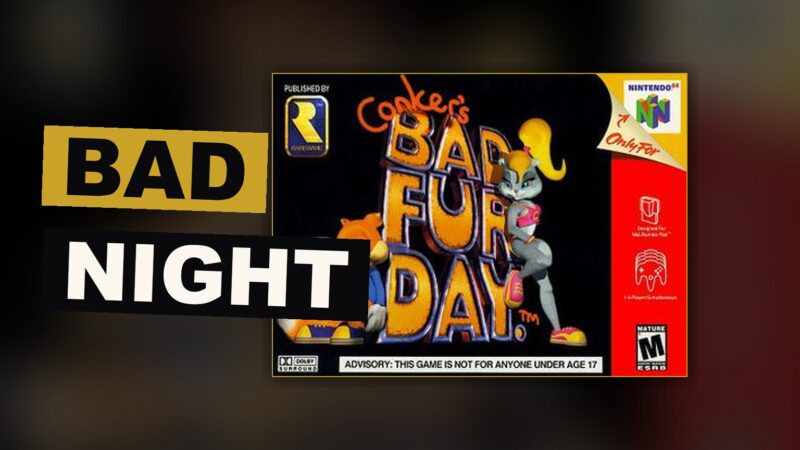
A bear and a bird share one body, and that odd partnership makes for one of the finest platformers on Nintendo 64. Banjo-Kazooie sends its two heroes across nine separate levels to save a taken sister from an evil villain who means to take her beauty for herself. The setup is simple. What the developers built on top of it is not.
The Central World That Ties It Together
The main world links every level together. Doors open only when the two heroes gather enough gold puzzle pieces found within each level. Players move forward at their own pace, then return to earlier levels once new abilities make old paths open again.
The central world rewards attention. Switches and locked doors turn a simple walk between levels into a small puzzle of its own.
Levels Built for Discovery
Each level holds a great deal to find. Musical notes, gold puzzle pieces, small strange characters and health pieces are placed throughout, and finding them all takes real effort. No two levels ask the same thing of the player, and each one conceals its rewards in a different way.
- A desert level built around ancient ruins
- An aging ship level at sea
- A low, wet level
- A snowy level frozen solid
- A haunted house level full of ghosts
- A forest level that changes with each season
- A cave level filled with wheels and gears
- A coast level lined with old broken chests
- A mountain level guarded by a wise old figure
Each level looks and feels distinct from the last. The ship level asks players to move through flooding rooms, while the forest level changes shape as players return to it later in the game. That variety keeps the pace fresh across a long game, and it gives players good reason to look into every part of every level.
Moves That Keep Growing
The two heroes start with a small set of moves, but a wise figure and a helper character teach new ones at a steady pace. A sudden strike, a temporary shield, a fast running dash: each new move opens up paths through levels already visited. Nothing feels wasted. By the end, the pair can fly, swim, move beneath the ground, and fight in ways the opening hours never suggest.
The steady increase of new moves gives the whole game a sense of forward motion, even during the quieter periods between levels.
Voice and Sound
The villain speaks against the pair throughout, warning them against getting in her way and promising to make them suffer for it. Her lines land more often than not.
“I am the wicked one, and you will pay for what you have done!”
The composer changes the music with every level, matching the mood of each world without repeating a single theme. A quiet, uneasy tune plays through the haunted house level, and a bright island song carries the coast level. Each theme sticks with the player long after the level ends.
The bird’s quick commentary plays off the bear’s patience well. The two never stop talking, and the writing carries the game through its quieter moments.
Where It Struggles
Not every part of Banjo-Kazooie reaches the same height. Several late puzzle challenges ask for repeated attempts before success, and a few tighter platforming moments in the ship level demand more careful timing than the camera easily allows. These moments remain rare, set against a game that otherwise moves with confidence.
Some players may also find full completion demanding. Finding every note and every gold puzzle piece in every level takes patience, and not all players will want to see it through to the very end.
Banjo-Kazooie set a standard for 3D platformers on Nintendo 64 that few games matched at the time. Its design rewards close attention without punishing players who want to move forward quickly, and its humor holds up decades later. This is a game built with care, level by level, joke by joke, move by move.