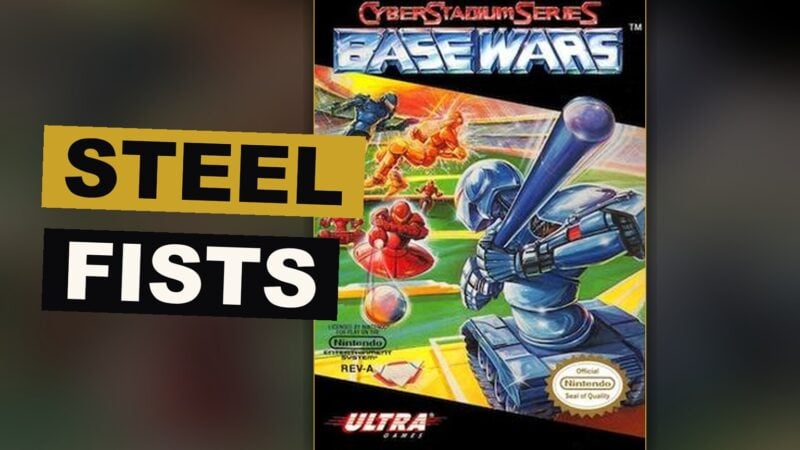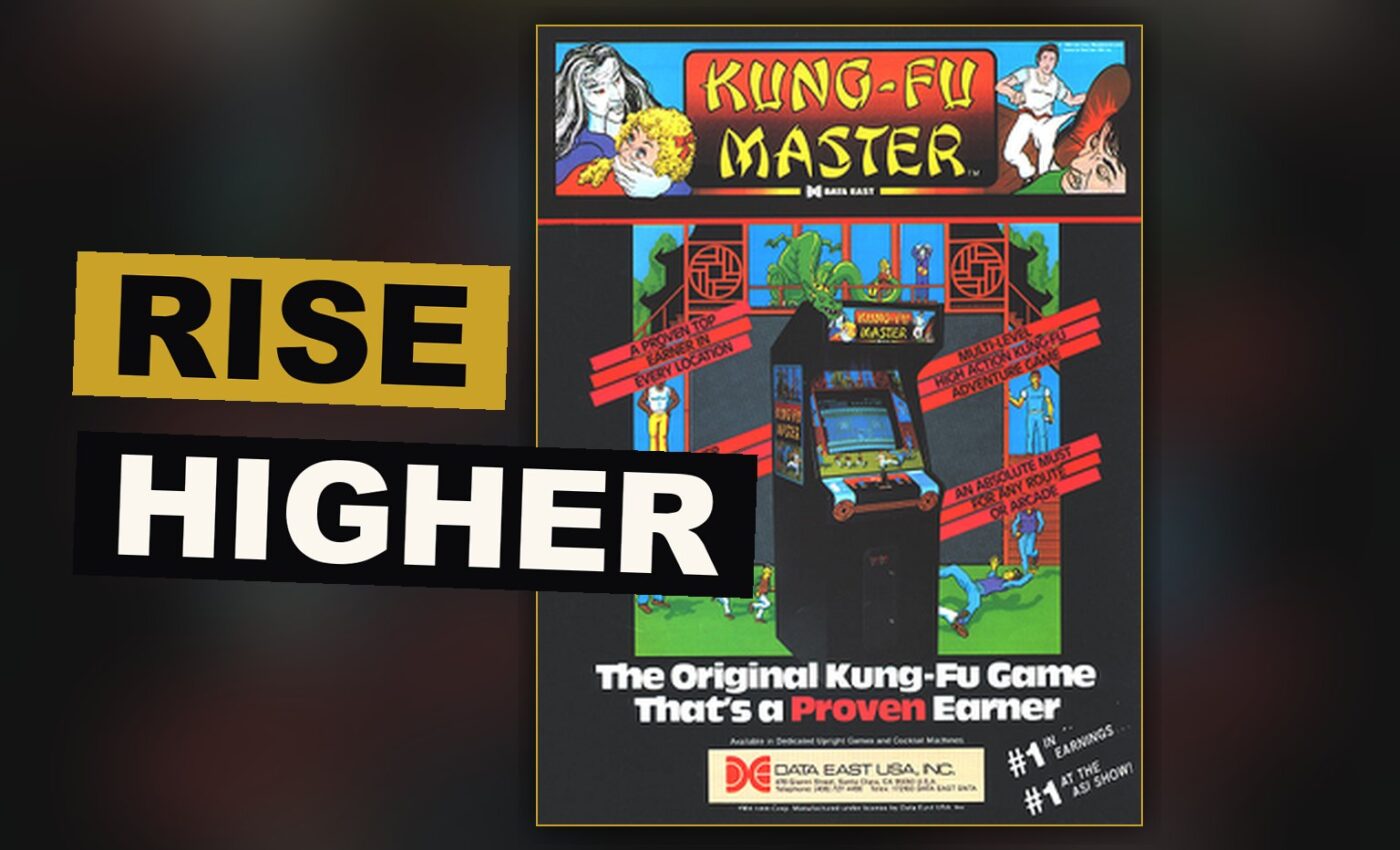
Kung Fu is a game about a man walking to the right, and it has been that since 1985.
The Arcade Game Nintendo Brought Home
Kung Fu arrives on the Nintendo Entertainment System as a port of a port. The NES version is a port of Spartan X for the Famicom, which is itself a port of the arcade game Spartan X. The source lists Irem and Nintendo R&D1 as developers and Nintendo and Playtronic as publishers, but it does not say which team handled which version, and it does not describe what changed between them.
What the source does give is a short set of facts. The platforms are Arcade and Nintendo Entertainment System. The genres are hack and slash and beat ’em up. The theme is action. The mode is single player. The perspective is side view. That is the whole record, and the record is thin.
A Side View of One Man
The perspective is side view. The mode is single player. Those two facts are the only description of how the game plays that the source provides. There is no second player option listed. That is what “single player” means here, and nothing more.
The genres are hack and slash and beat ’em up. The theme is action. Those labels tell you the register of the thing without telling you a single mechanic inside it. The source does not describe a moveset, a stage layout, an enemy type, or a boss.
It does not describe a hallway. It does not describe where enemies come from. It does not describe what happens when you hit one.
What the 6.6 Score Is Actually Saying
The published critical score for Kung Fu is 6.6 out of 10 on IMDb. That is the only number attached to the game’s reception in the source, and it is the only one this piece can carry.
A score is a score. The source does not explain the 6.6, does not break it into components, and does not say who voted or how many did. It is a single figure from a single database, and treating it as a verdict on the design would be reading past what is there.
What the number does establish is that Kung Fu was reviewed and that the aggregate landed above the midpoint of a ten-point scale. Nothing in the source says whether that figure reflects the arcade game, the Famicom port, or the NES cartridge. The source does not say.
The Port Chain, as Far as It Goes
The chain is the one hard piece of history in the source. Spartan X was an arcade game. It came to the Famicom as Spartan X. That Famicom version came to the NES as Kung Fu.
Three steps, two of them ports. The source stops there. It does not say what the arcade cabinet contained, what the Famicom version added or cut, or what the NES release changed in turn. Anyone who tells you the arcade original had more going on is not getting that from this record.
The developer line is Irem and Nintendo R&D1. The publisher line is Nintendo and Playtronic. Which name attaches to which release is not stated. That gap is worth naming rather than papering over.
The Numbers Behind Kung Fu
- Title: Kung Fu
- Year: 1985
- Developer: Irem, Nintendo R&D1
- Publisher: Nintendo, Playtronic
- Platforms: Arcade, Nintendo Entertainment System
- Genre: Hack and slash / Beat ’em up
- Theme: Action
- Mode: Single player
- Perspective: Side view
- Published critical score: 6.6/10 (IMDb)
Kung Fu Ranked in Its Own Lineage
- Arcade Spartan X
- Famicom Spartan X
- NES Kung Fu
That order is the port chain as the source states it, and nothing more. It is not a quality ranking, because the source does not rank the versions. The source does not say which one is best, which one sold, or which one most players met first.
What the list shows is distance. Each entry is a step away from the arcade original. Whether that distance cost the game anything is a question the source leaves open.
What the Record Supports, and What It Does Not
Here is the honest position. Kung Fu is a 1985 release on Arcade and the Nintendo Entertainment System, developed by Irem and Nintendo R&D1, published by Nintendo and Playtronic, filed under hack and slash and beat ’em up, themed as action, played single player, viewed from the side, and scored 6.6 out of 10 on IMDb.
Everything past that line is inference. The source does not describe the punch. It does not describe the kick. It does not describe enemies, levels, bosses, endings, or difficulty. It does not describe the arcade cabinet’s hardware, its audio, or its monetization. It does not compare Kung Fu to any other game, in 1985 or after.
That is a narrow record for a game people remember. The narrowness is the story. A title that has stayed in the conversation for four decades has almost no documented detail in the source this piece is working from — no mechanics, no level list, no sales figure, no contemporary review.
What the record does confirm is the shape of the release: a port of a port, landing on a home console under a new name, with a single-player side-view design and an action theme. That is a specific kind of product, and the source is precise about it.
The 6.6 is the one piece of reception data available, and it is worth treating carefully. It is not a rave and it is not a dismissal. It is a middling number from one database, and this paper will not pretend it says more than that.
Where the source is silent, this piece stays silent. The temptation with a game this old is to fill the gaps with memory — to describe the corridor, the timing, the feel of the button. None of that is in the record, and none of it belongs here.
The Case for a Short Record
A thin source is not a thin game. It is a thin paper trail. Kung Fu shipped in 1985 across two platforms under two publisher names and two developer credits, and the surviving description of it is a genre tag, a perspective, a mode, and a score.
That is what this piece can stand on. The rest is for someone with the cartridge and a working console.
Get the Notebook.
The day's best stories and every fresh verdict, in plain English, in your inbox by seven. One email a day, no more.