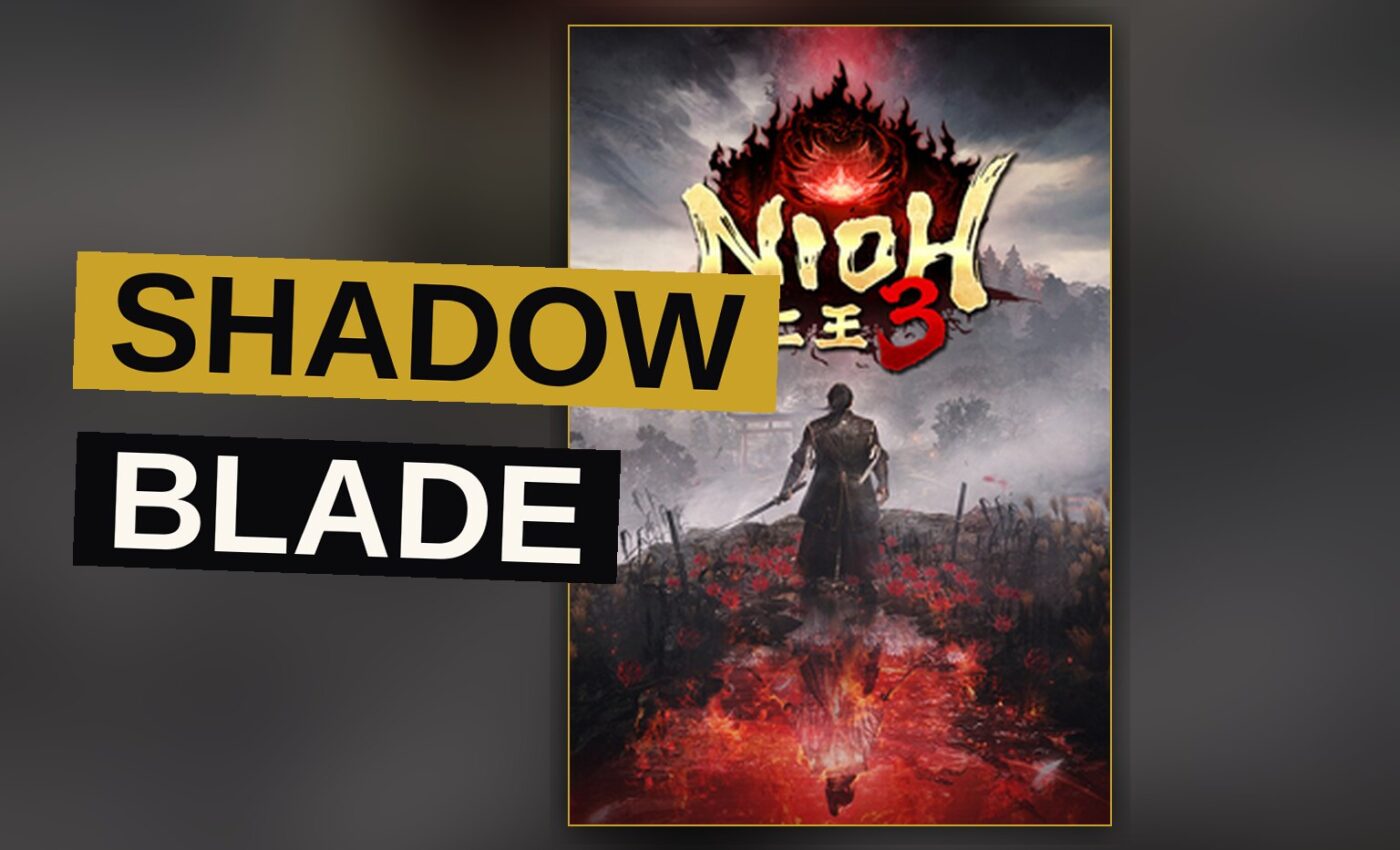
Nioh 3 launches this year on PS5 and PC, and it arrives as the most ambitious entry in the series yet. The published Metacritic score for this new chapter stands at 8.6 out of 10, a mark that reflects both its punishing combat and its real step forward in scope.
Trailer, via KOEI TECMO EUROPE LTD..
William and the Open Road
Nioh 3 splits its story between two eras and two lead characters, but the returning thread follows William, the series’ familiar Western sword fighter, now moving through a version of feudal Japan that finally opens up. Earlier Nioh games kept players on tight, mission-based paths. This one lets players roam between story missions across a connected map, with side content and demon dens scattered along the way.
The change is not cosmetic. Traveling between objectives now means running into small shrines, wandering merchants and surprise fights that were not there in earlier games. It gives Nioh 3 a rhythm closer to an open-world action game, though the mission structure underneath stays close to series tradition.
Combat, Sharpened Again
The stance-switching sword combat that defined Nioh returns, and it still rewards patience over careless button presses. The team behind the game adds new weapon types and a new spirit change system, letting players briefly take on altered forms mid-fight for a burst of different attacks and abilities.
Boss fights remain the center of the experience. Each one demands players learn attack patterns, manage their endurance, and read openings with precision. The difficulty spikes are steep, and they will frustrate players expecting a gentler curve than past entries offered.
“The difficulty spikes are steep, and they will frustrate players expecting a gentler curve than past entries offered.”
A Second Hero, A New Era
Nioh 3’s other lead character is a shadow fighter operating generations after William’s story, giving the game a second combat identity built around speed and stealth rather than heavy stance work. Switching between the two lead characters across the campaign changes pacing a great deal. One section demands measured, careful sword work. The next rewards fast, forceful movement.
It works better than it sounds.
The two-character structure also lets the story stretch across a longer timeline than any earlier Nioh game attempted, tying legend, historical figures and supernatural threat together without asking players to give up the character they preferred.
Demon Dens and the New Open Areas
The demon dens placed through the open sections are Nioh 3’s clearest new idea. These are small, self-contained fights set off the main path, often guarding gear or crafting materials. They are not required, but skipping them makes the main missions harder than intended.
Exploring rewards curiosity here in a way earlier Nioh games rarely did. Loot systems remain deep, sometimes almost too much, with layered stats on weapons and gear that longtime fans will recognize right away.
Performance on PS5 and PC
On PS5, Nioh 3 runs smoothly in its performance mode, putting frame rate ahead of resolution, which matters given how demanding the combat timing can be. The PC version supports higher resolutions and frame rates for players with the hardware to push it.
Load times are short on both platforms, which matters in a game built around repeated attempts against difficult bosses. Here is a look at how the campaign’s main areas relate to the mission structure:
| Area Type | Role in Campaign |
|---|---|
| Open Road | Connects story missions |
| Demon Den | Side fight, not required |
| Boss Arena | Ends each main mission |
| Shrine | Save and upgrade point |
| Merchant Camp | Gear and crafting trade |
Where It Still Struggles
The story, spread across two lead characters and two time periods, sometimes loses focus. Side characters get less development than the combat systems do, and some players will find the plot secondary to the moment-to-moment fighting all the same.
The open areas, while a welcome change, are not as densely built as the mission-based levels the series made its name on. Some stretches feel less full than the demon dens and boss arenas around them.
Nioh 3 does not remake the formula from the ground up. It is an improvement, one that keeps the harsh, technical combat the series is known for while widening the world around it. The spirit change system and two lead characters give it more identity than Nioh 2 had, and the difficulty stays uncompromising in a way series fans expect.
The score of 8.6 of 10 is a published mark from Metacritic, not this review’s own judgment.