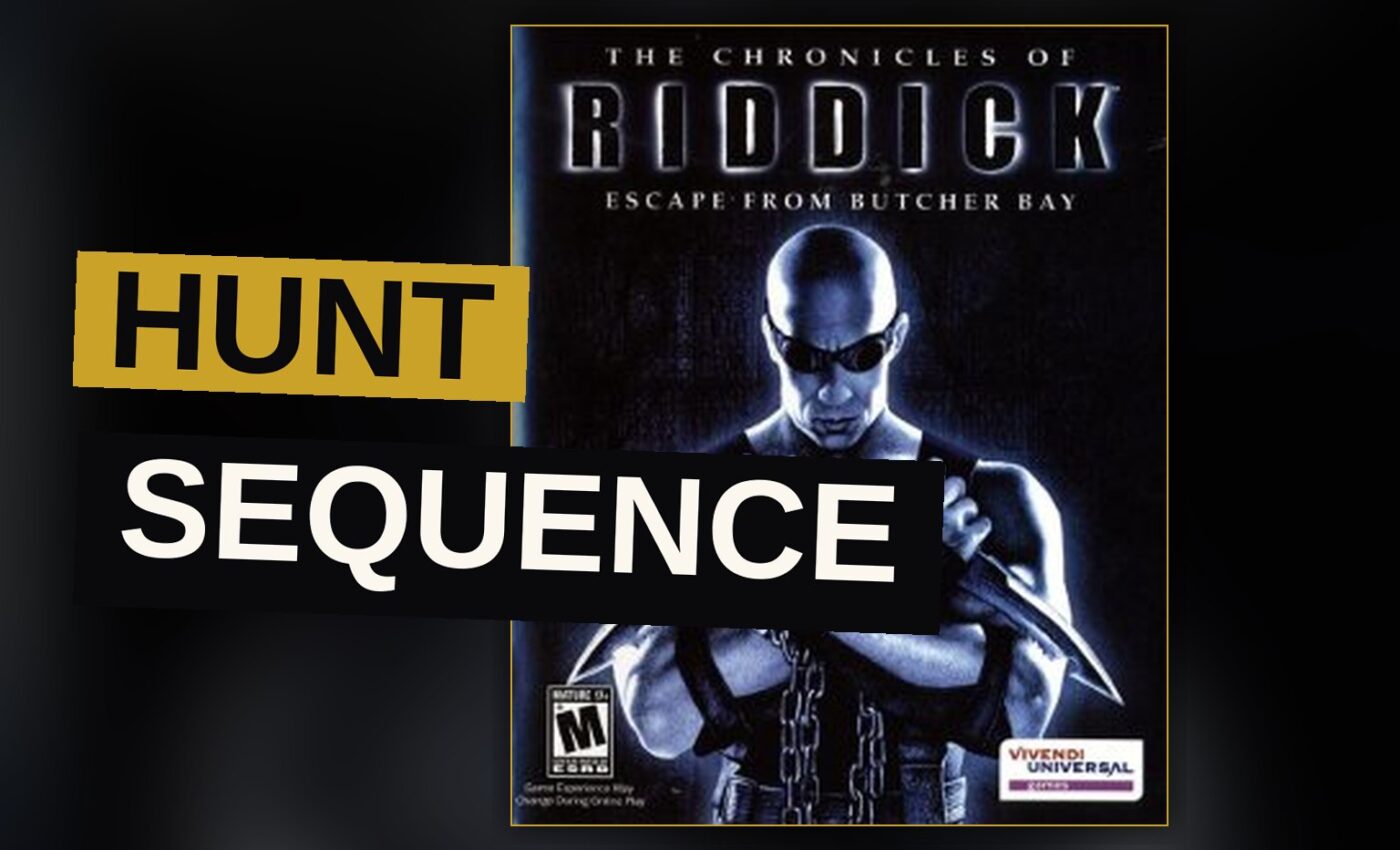
Escape from Butcher Bay sends Riddick back to the prison planet where he was first captured, and it turns out to be one of the sharpest action games of its generation. Developer Pandemic Studios built a world that feels lived-in, full of guards, prisoners and secrets hidden behind locked doors. The result is a game that rewards patience and punishes hesitation in equal measure.
The Prison World
Butcher Bay is a sprawling complex of cells, tunnels and maintenance shafts. Players move through it as Riddick, a convict with a reputation for escaping. The level design is generous, but it also hides clues. Guards patrol corridors, and cameras watch hallways. One wrong move triggers an alarm, and the entire facility comes after you.
The game opens with Riddick in solitary confinement, and the first hour is spent learning the layout. You will find yourself retracing steps, searching for shortcuts and listening for the footsteps of approaching enemies. That loop is the heart of the game, and it works because the world is dense enough to support it.
Combat and Stealth
Riddick fights with brutal efficiency. He can disarm guards, break their necks, or cut them down with a blade. The combat system is simple but effective. Players choose a target, press a button, and Riddick delivers a finishing blow. There is no combo system here, just a clean execution that feels earned.
Stealth is where the game shines. Riddick can see in the dark, and players can toggle the night vision mode to spot enemies before they see him. This creates a constant tension. You are always one shadow away from being spotted. The game never lets you forget that the guards know where you are, even when you cannot see them.
The Hunt Sequence
Midway through the game, Riddick is forced into a hunt. He is released into a maze with a group of convicts, and the warden watches from above. The sequence is tense and well designed, forcing players to think about positioning and cover. It is a standout moment in the game, and it sets the stage for the final escape.
The hunt sequence also introduces a new mechanic: the ability to distract guards with noise. Players can throw objects or shout to draw attention away from their position. It is a small addition, but it changes how you approach each encounter. Instead of always hiding, you can now create chaos and use it to your advantage.
Sound Design and Atmosphere
The audio in Escape from Butcher Bay is excellent. Footsteps echo through empty halls, alarms sound when you are discovered, and the growl of Riddick’s voice adds menace to every scene. The score is sparse, letting the ambient noise do most of the work. It is a smart choice, and it makes the game feel more dangerous.
The lighting is also notable. Riddick’s night vision shifts colors to make enemies stand out, and the game uses darkness as a weapon. You will spend long stretches moving through dim corridors, straining to see the next corner. The effect is immersive, and it fits the tone of the film perfectly.
Technical Performance
Escape from Butcher Bay runs on multiple platforms, and the PC version remains the best way to play. The game is demanding, and older hardware struggled with frame rate issues. On newer systems, the game holds up well. The load times are long, but the pacing between levels is tight enough that it rarely feels like a problem.
The controls are responsive, and the game rarely asks you to do something that feels unfair. There are moments where the enemy AI is too quick, but those are rare. For the most part, the game respects your intelligence as a player.
What Works Best and What Falls Short
Here is what stands out most in the game:
- The hunt sequence, which turns a standard prison escape into a survival game.
- The night vision mechanic, which gives players a genuine advantage over their foes.
- The level design, which rewards exploration and memory.
- The sound design, which makes every corridor feel alive.
These elements combine to create a game that feels distinct from other action titles of its era. It is not a shooter in the traditional sense, and it is not a pure stealth game either. It sits somewhere in between, and that balance is what makes it special.
Not everything lands. Some side quests feel like filler, and the story drags in the middle chapters. The game is at its best during the escape sequences, but the early hours can feel slow. There is also a lack of variety in enemy types, which means the middle of the game can start to feel repetitive.
The multiplayer mode is a separate experience, and it is worth noting that it is a distinct package from the single-player campaign. It is a different game entirely, and it is not included in the critical score.
Final Word
Escape from Butcher Bay is a strong entry in the genre. It takes risks with pacing and difficulty, and it pays off most of the time. The hunt sequence alone is worth the price of admission, and the stealth mechanics remain some of the best in the genre. It is not perfect, but it is memorable.
The game holds an aggregate critic score of 8.9/10, and that number feels accurate. It is a game that rewards careful play, and it punishes careless mistakes. If you enjoy games that demand your attention, this is a great place to start.
| Game | Platform | Release Date |
|---|---|---|
| Escape from Butcher Bay | Xbox, PS3, PC, Mac | 2004 |
| The Hunt Sequence | Mid-game | — |
| Night Vision | Core mechanic | — |
The game is available on several platforms, and it remains a solid purchase for anyone interested in stealth action. It is a game that respects the player, and it shows in every level.