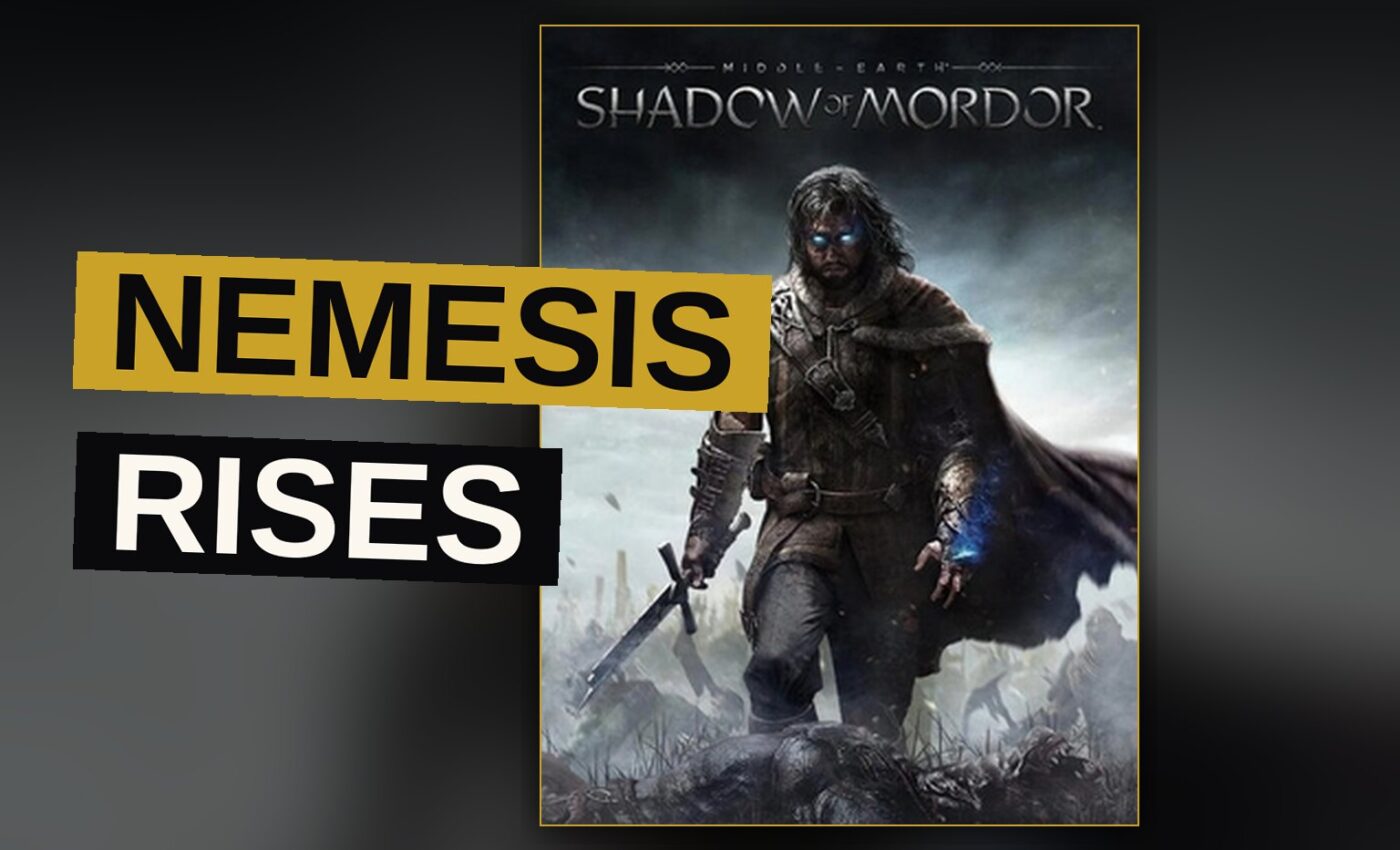
Middle-earth: Shadow of Mordor puts players in the skin of Talion, a ranger whose spirit was torn from his body by the Nazgûl. That supernatural premise carries the whole game, and it makes Middle-earth: Shadow of Mordor stand apart from other action titles set in Tolkien’s world.
Trailer, via IGDBcom.
The Ranger’s Curse
Talion is dead, but he walks the earth anyway. His spirit and his living body move together through Middle-earth: Shadow of Mordor, and that split identity shapes every fight. The game asks players to hunt down the forces of Sauron across the lands of Mordor, and it rewards patience with a system of revenge that lets players build a personal grudge against each named enemy they defeat.
The Nemesis system tracks every Uruk they kill, remembers their names, and assigns them ranks within the chain of command. A player who kills a captain can watch that captain rise through the ranks, become a warchief, and return later as a more dangerous enemy. It is a clever idea, and it makes each battle feel like part of a larger war.
Combat and Stealth
Combat in Middle-earth: Shadow of Mordor is fast and brutal. Talion can dodge, parry, and counterstrike, and the game encourages players to keep moving rather than standing still. Sword fights are satisfying, and the game mixes in supernatural powers that let Talion summon spirits, chain enemies together, and call down fire from above.
Stealth is just as strong. Players can sneak past groups of Uruk, poison food, and tip over a horn to start a panic that draws enemies away. The game respects both approaches, and it rarely punishes players for choosing one over the other.
The Land of Mordor
Mordor is not a cheerful place, and the game does not try to make it one. The landscape is harsh, full of ash, stone, and ruined towers. The Wraith ability lets Talion pass through solid objects and see enemy patrols, and it changes how players approach each area. Some missions ask for stealth, others for open combat, and the game mixes them well.
The presentation holds up well on PS4, PC, and Linux, though the older PS3 version shows its age in some spots. Character models are detailed, and the score matches the tone of the setting. Few games capture Tolkien’s vision of Mordor so directly.
What Holds It Back
Not everything works. Some side quests repeat the same structure, and the game’s main story asks players to accept a few plot devices without much explanation. The Nemesis system is brilliant, but it is also easy to lose track of which enemies matter most. Players who want a clear path through the story may find themselves wandering through menus to check who they need to hunt next.
The difficulty curve also shifts oddly. Early fights can feel punishing, while later boss encounters sometimes fall flat because the game relies too heavily on scripted events rather than letting the Nemesis system drive the final outcome.
Where It Shines
Middle-earth: Shadow of Mordor earns its reputation as one of the best action games of its generation because of its core design, not its polish. The Nemesis system remains a highlight, and the combat systems built around it reward players who think ahead and adapt on the fly.
Here is what stands out:
- The Nemesis system, which creates a personal enemy roster that evolves over time
- The Wraith ability, which lets players see and avoid enemy patrols
- The mix of stealth and combat, both treated with equal weight
- The presentation of Mordor, captured with grim detail
These elements work together to create a game that feels distinct from other action titles. Few games let players build a grudge against their enemies the way Middle-earth: Shadow of Mordor does.
Final Word
Middle-earth: Shadow of Mordor is a game about revenge, and it understands that feeling on a deep level. The Nemesis system is the star, and it carries the game through its rough patches. The combat is tight, the world is atmospheric, and the story, while thin in places, gives players a reason to care about the Uruk they face.
Some players may find the repetition of side content tiresome, and the difficulty curve could use smoothing. But the core loop of hunting, killing, and seeing enemies rise again is consistently engaging. Middle-earth: Shadow of Mordor succeeds because it trusts its central idea and builds everything else around it.