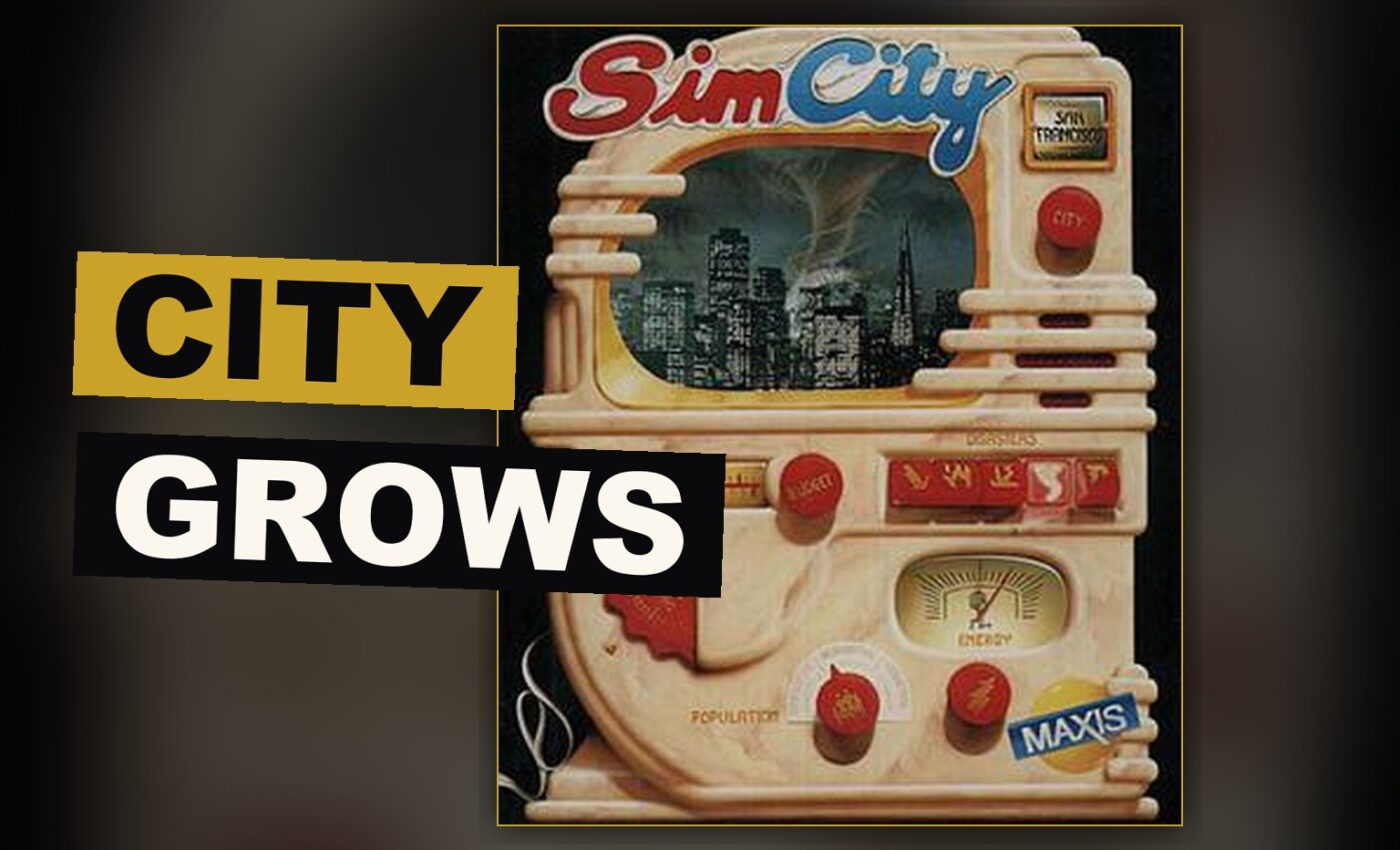
SimCity arrived on the Super Nintendo console with a simple promise: build a city, keep it running, watch it grow. The game hands players a blank plan, a budget and a set of planning tools, then steps back. What follows is one of the most engaging experiences on the system.
How the City Comes Together
Players lay down housing, shops and works, then link them with roads and power lines. The game tracks money coming in, crime rates, dirty air and land value the whole time, changing the city as it grows. Mistakes show up fast. A city without enough power stations goes dark. A city without roads stays empty.
The Super Nintendo controller takes some getting used to for anyone used to the control found in the original computer version, which relied on a small device moved by hand. Menus open as circular wheels, chosen with the controller, and most players get comfortable within an hour. It is not as quick as pointing and pressing a button on a desk device, but it does the job.
Troubles and Guidance
SimCity includes a set of troubles — fire, storm damage, monster attack — that can level a carefully built city in seconds. These can be turned off entirely. Left on, they add pressure to a game that otherwise runs at a calm pace.
A set of in-game guides, including a well-known character from the series, offer feedback on the state of the city. The advice is plain but well timed, pushing players toward fixes before problems get worse. It is a small touch that gives the simulation some personality.
New Cities and a Changing Sound
This version includes extra cities already laid out for players, not found in the original computer version, based on real places. The Super Nintendo handles the zooming and scrolling city plan well, and the sound design changes as a city grows from a small town into a large, busy city.
There is no ending. There is no score screen. Success is measured only in population count and the shape of the city itself, and some players will find that lack of a set goal freeing while others will find it without direction.
The table below shows a rough breakdown of an ordinary extended play session, drawn from time spent with the game across a single sitting.
| Time Elapsed | Activity |
|---|---|
| 0:00 | Start new city, lay first roads and power station |
| 0:15 | Mark out first housing and shop spaces |
| 0:45 | First money collected, budget checked |
| 1:10 | Population passes 2,000, first guide message appears |
| 1:40 | Fire breaks out, city services deal with it |
| 2:00 | Population passes 5,000, city moves up to town status |
| 2:30 | Session ends, city saved for later |
That pace holds up across dozens of sessions, since no two cities grow the same way twice.
Weak Points and a Final Word
The lack of any real story or set goal means SimCity can feel the same after a while, once the early charm goes. Players looking for a clear goal beyond growing a population number may find the game thin on lasting appeal. The controller setup, while it works well enough, still shows a few awkward menu changes left over from the change away from computers.
Sound design does its job without being especially striking, and the look of the game, while neat, does not push the Super Nintendo hardware in any special way compared to other games on the system. These are not major weak points, but they keep the game from reaching higher.
SimCity on the Super Nintendo succeeds because it trusts players to build something without forcing them down a set path. The trouble system adds just enough doubt to keep sessions interesting, and the extra cities give the console version a bit more content than the original computer version. It is not a perfect match for the original, and the menu system takes getting used to, but the core simulation remains just as engaging as it was on other platforms.
For players willing to set their own goals, SimCity offers a rewarding experience that rewards patience and planning. It is a game best played in short periods, then returned to over weeks as a city slowly takes shape.