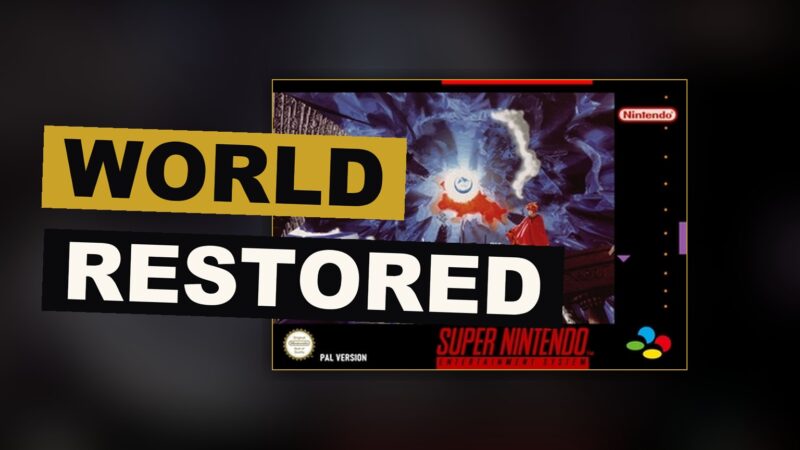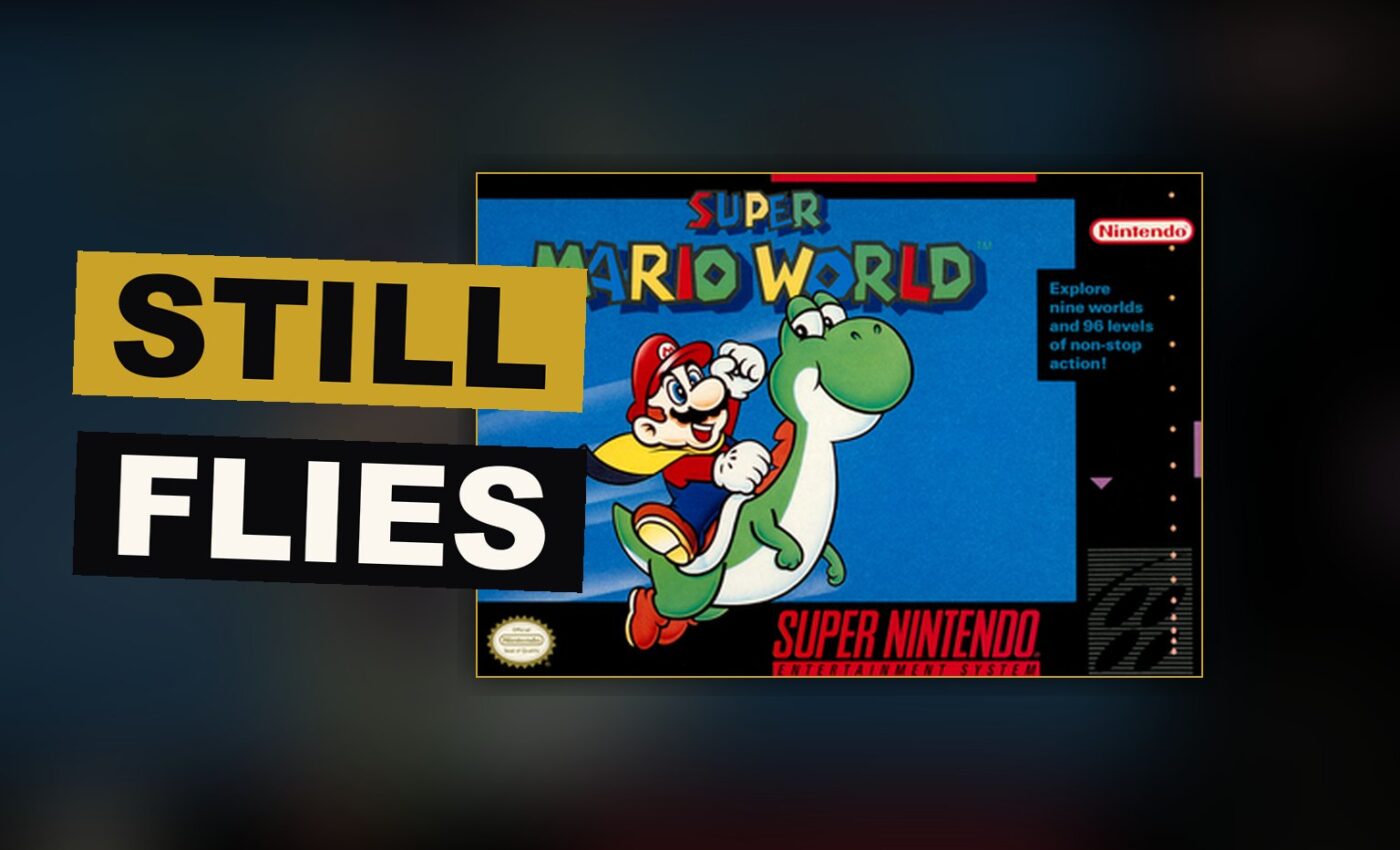
Super Mario World still feels ahead of many platformers that came after it. Made for the Super Nintendo, the game holds up as one of the tightest, most imaginative games in the series. This review gives it 9.2 out of 10, matching the score most critics have given it since it first came out.
The Cape and the Companion
The game’s biggest addition is a green companion creature that Mario can mount to reach extra height when he bounds, clearing difficult spots. Mounting it also lets Mario swallow enemies, clearing them from his path. A feather turns Mario into a caped version who can fly across long distances. Both additions push players to look past the fastest way through a stage and instead try different paths.
Level design throughout Super Mario World rewards curiosity. Many stages hold a second way out, and finding it can open a new path on the world screen. That gives the game a layered feel that is rare for its time.
World Screen and Progression
The world screen works almost like a puzzle rather than a straight line. Instead of a single course, it branches out across several linked worlds, each with its own setting and challenges, and the world screen itself grows as players find new paths.
| World | Setting |
|---|---|
| First world | Green fields |
| Donut Plains | Grass and hills |
| Vanilla Dome | Caves |
| Wooded world | Twisting paths |
| Chocolate Island | Warm ground |
| Valley of Bowser | Final world |
| Star World | Side paths |
| Extra challenge world | New, harder courses |
That arrangement gives players a reason to keep going back, since a second way out found late in the game can open a new path near the start of the world screen.
Sound and Feel
Mario’s control in Super Mario World feels precise in a way that still holds up well against newer platformers. Enemy variety is high, with returning foes carrying different habits and each boss fight closing out its world with a different twist rather than a simple repeat.
The music, written for the console’s sound hardware, gives each world its own identity. The main theme alone has become one of the most recognized pieces of music tied to the series.
This review’s own verdict is simple:
Super Mario World remains one of the best platformers ever made, and its lessons still shape the genre today.
That line sums up the reputation Super Mario World has carried for decades, and playing it now, the reputation checks out.
Short and simple: the game never wastes a player’s time.
Final Verdict
Super Mario World holds up not because of fond memory but because its ideas still work. The world screen, the cape, the green companion, and the many second ways out give the game a depth that few platformers of its time could match.
Players who sit down with Super Mario World today, even after finishing it many times before, still find themselves noticing paths and tricks they missed on earlier playthroughs. That interest, decades after it first appeared, says more about the design than any single score ever could.